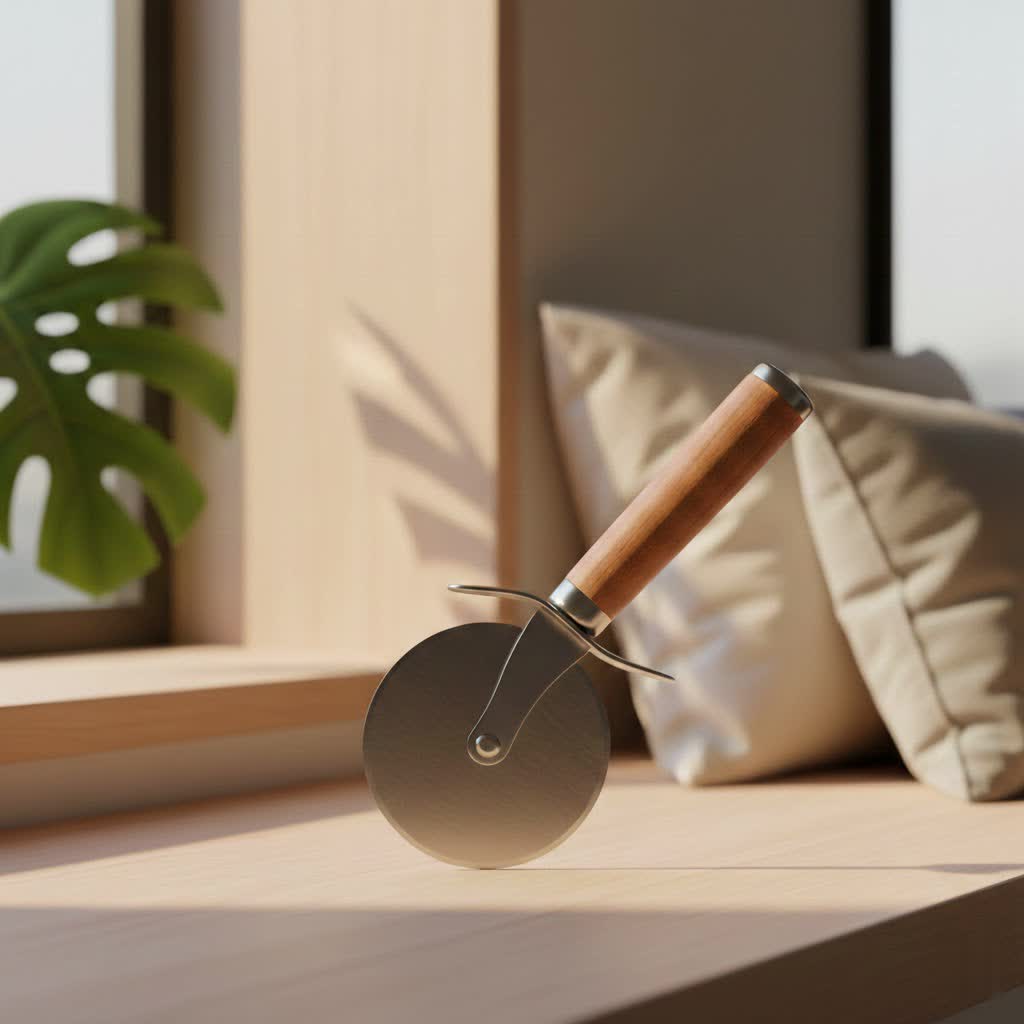
For any pizza enthusiast, the joy of a perfectly baked pizza is often matched only by the satisfaction of slicing through it with ease. Gone are the days of wrestling with dull knives or struggling to cut through a delicious crust, only to leave half the toppings behind. Today, innovation in kitchen tools brings us closer to a seamless pizza experience, and a key feature revolutionizing this simple act is the “snap-on” or removable blade design in pizza cutters. This guide, drawing from over a decade of hands-on experience, will navigate you through the world of pizza cutters, highlighting why modern designs, particularly those with easy-to-clean detachable components, are a game-changer for every kitchen.
Choosing Your Ideal Pizza Cutter: A Comprehensive Guide
The market offers a diverse array of pizza cutters, each designed to cater to different preferences and pizza styles. Understanding the common types is the first step toward finding your perfect match.
Popular Types of Pizza Cutters
There are three primary designs dominating the pizza cutter landscape, each with its unique advantages and considerations.
-
Wheel Pizza Cutter:
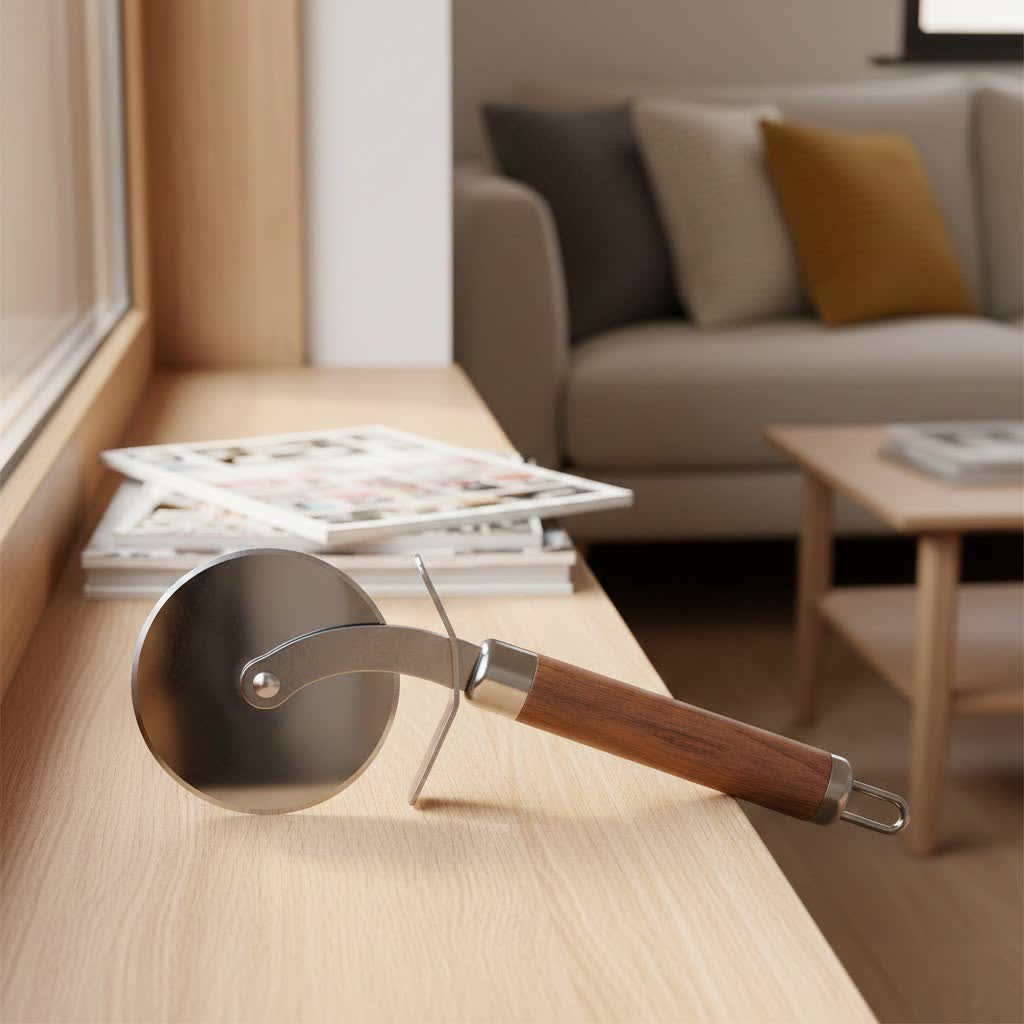
This is perhaps the most iconic and widely recognized pizza cutter, featuring a circular blade attached to a handle.- Pros: Wheel cutters are remarkably easy to use, allowing for quick, straight cuts across a pizza with a simple rolling motion. Their versatility makes them suitable for a wide range of pizza styles, from thin and crispy to moderately thick crusts. Many modern wheel cutters are designed with ergonomic handles for a comfortable and secure grip.
- Cons: Traditional wheel cutters can sometimes push toppings around or even tear the crust if not sharp enough or if excessive force is applied. A significant challenge with older designs is cleaning, as cheese and sauce can get lodged around the axle and fixed blade, making thorough sanitation difficult. This is where the “snap-on” or detachable blade innovation truly shines.
-
Rocker Pizza Cutter (Mezzaluna):
Resembling a large, curved blade with handles on either end, the rocker pizza cutter is favored by many professional pizzerias.- Pros: Rocker cutters excel at making precise, clean cuts through pizza without displacing toppings, thanks to their rocking motion that slices rather than rolls. Their large, open design generally makes them much easier to clean than traditional wheel cutters, as there are fewer nooks and crannies for food to accumulate. They are particularly effective for large pizzas and thick crusts, requiring a firm press rather than a rolling action.
- Cons: They require more counter space for effective use and storage compared to a compact wheel cutter. Achieving an even cut across the entire pizza can take some practice, as it demands a consistent downward force along the blade’s curve.
-
Scissor Pizza Cutter:
A less common but highly practical option, pizza scissors are essentially heavy-duty kitchen shears specifically adapted for pizza.- Pros: Pizza scissors offer exceptional control, allowing for easy, individualized slices, particularly useful for serving children or cutting awkward shapes. They are generally considered safer to use than sharp open blades and are excellent for delicate toppings that might otherwise be disturbed. Cleaning is typically straightforward, much like regular kitchen scissors.
- Cons: They can struggle with very thick or crispy crusts, requiring more effort. Some users find them less “professional” than other types, and they may not provide the long, continuous cuts desired for whole pizzas.
|
Our Picks for the Best Pizza Cutter in 2026
We may earn a commission when you use one of our links to make a purchase.
|
||
| Num | Product | Action |
|---|---|---|
| 1 | Kitchy Pizza Cutter Wheel with Protective Blade Cover, Ergonomic Pizza Slicer (Green) |

|
| 2 | KitchenAid Classic Pizza Wheel with Sharp Blade For Cutting Through Crusts, Pies and More, Built In Finger Guard for Safety and Comfort Grip to Protect Fingers, Dishwasher Safe, 9-Inch, Black |
|
| 3 | GORILLA GRIP BPA-Free Large Pizza Cutter Wheel, 9 Inch, Sharp Stainless Steel Blade, Slip Resistant Handle with Thumb Guard Protection, Slice Thick or Thin Pizzas, Pie, Pastries in Seconds, Black |
|
| 4 | KitchenAid Classic Pizza Wheel with Sharp Blade For Cutting Through Crusts, Pies and More, Built In Finger Guard for Safety and Comfort Grip to Protect Fingers, Dishwasher Safe, 9-Inch, Aqua Sky |
|
| 5 | KitchenStar Pizza Cutter Wheel - 304 Stainless Steel Slicer Knife with Super Sharp Blade, Anti-Wobble Axle Mechanism, Ergonomic Non-Slip Handle & Protective Cover, Dishwasher Safe |
|
| 6 | OXO Steel 4" Pizza Wheel |
|
| 7 | OXO Good Grips 3.5" Pizza Wheel and Cutter |
|
| 8 | KitchenAid Classic Pizza Wheel with Sharp Blade For Cutting Through Crusts, Pies and More, Built In Finger Guard for Safety and Comfort Grip to Protect Fingers, Dishwasher Safe, 9-Inch, Red |
|
| 9 | OXO Good Grips Pizza Wheel and Cutter for Non-Stick Pans |
|
| 10 | Deiss Lux Heavy Duty Pizza Cutter With Wheel Slicer- Stainless Steel Sharp Smooth Pizza Cutter Wheel With Easy Grip Non-Slip Handle, Dishwasher Safe (BLACK) |
|
Detailed Comparison of Pizza Cutter Types
To help you visualize the differences, here’s a comparative overview of the main pizza cutter types:
| Feature | Wheel Pizza Cutter | Rocker Pizza Cutter | Scissor Pizza Cutter |
|---|---|---|---|
| Cutting Precision | Good, straight lines. | Excellent, clean cuts, minimal topping displacement. | Excellent, precise individual portions. |
| Ease of Use | Very easy, rolling motion. | Moderate, requires firm, rocking motion. | Easy, snips through slices. |
| Ease of Cleaning | Variable (Excellent with snap-on blade), often challenging with fixed blade. | Good, large exposed blade. | Good, like cleaning kitchen shears. |
| Durability | High, especially with quality materials. | High, robust blade. | Moderate to High, depending on construction. |
| Price Range | Low to Mid-range. | Mid to High-range. | Low to Mid-range. |
| Best For | General use, quick cuts, various pizza types. | Large pizzas, thick crusts, maintaining toppings. | Individual servings, delicate toppings, kids. |
Essential Factors When Buying a Pizza Cutter (Buying Guide)
Selecting the perfect pizza cutter goes beyond just choosing a type. Several crucial factors contribute to a tool’s performance, durability, and most importantly, its user-friendliness, especially when considering the “snap-on” advantage.
-
Blade Material: The quality of the blade directly impacts its cutting efficiency and longevity.
- Stainless Steel: The most common and recommended material. High-quality stainless steel offers excellent sharpness, corrosion resistance, and durability. It holds an edge well and is generally easy to maintain.
- Ceramic: Known for its extreme sharpness and ability to retain an edge longer than steel. However, ceramic blades are more brittle and prone to chipping or breaking if dropped.
- Titanium-Coated: Offers enhanced durability and non-stick properties over standard stainless steel, often at a higher price point. This coating can provide an extra layer of protection against rust and wear.
-
Handle Design & Ergonomics: A comfortable and secure grip is paramount for safety and efficiency.
An ergonomic handle reduces hand fatigue and provides better control, allowing you to apply consistent pressure without slipping. Look for features like non-slip materials (rubber, silicone) and a well-balanced design that fits comfortably in your hand. A finger guard on wheel cutters is also a vital safety feature, protecting your digits from the sharp blade during use. -
Durability and Longevity: Investing in a durable pizza cutter means it will withstand years of regular use.
Consider the overall construction: sturdy rivets, strong blade-to-handle connections, and rust-resistant materials. A well-made pizza cutter, especially one with a high-quality stainless steel blade, can last a lifetime with proper care. Look for products with solid construction and reputable brand backing. -
Ease of Cleaning: The “Snap-On” Advantage: This is arguably the most critical factor for modern pizza cutters.
Traditional pizza wheels with fixed blades can be notoriously difficult to clean, with cheese and sauce caking around the axle. A “snap-on” or easily detachable blade revolutionizes this. Cutters designed with removable components allow you to effortlessly separate the blade from the handle, enabling thorough cleaning of all parts. This prevents bacteria buildup and ensures your cutter remains hygienic. Many of these designs are also dishwasher-safe, offering ultimate convenience. This feature not only enhances hygiene but also simplifies maintenance, as a removable blade might be easier to sharpen or replace if needed. -
Price and Value: Pizza cutters range from budget-friendly options to premium models.
While it’s tempting to opt for the cheapest tool, consider the long-term value. A slightly higher investment in a durable, easy-to-clean model (especially one with snap-on features) can save you frustration and replacement costs in the long run. Compare features, materials, and user reviews to find a cutter that offers the best balance of quality and cost.
Top Picks: Reviews of the Best Pizza Cutters
While specific product recommendations can vary over time, here are types of pizza cutters that consistently receive high marks, often incorporating the crucial “easy-clean” or “snap-on” feature:
- OXO Good Grips 4-Inch Pizza Wheel: Renowned for its comfortable, non-slip handle and sharp stainless steel blade. Many OXO models feature designs that simplify cleaning, some with removable components. They are a reliable choice for everyday home use, offering a great balance of performance and value.
- Joseph Joseph Disc Easy-Clean Pizza Wheel: This compact design explicitly features a blade that “pulls right out of the case for super easy cleaning.” This embodies the snap-on/removable blade advantage, making it a standout for hygiene and convenience. It’s often praised for its protective blade guard, doubling as a non-slip grip during use.
- Checkered Chef Rocker Pizza Cutter: While not a “snap-on” in the sense of detachable parts, its inherent design as a large, single piece of stainless steel makes it incredibly easy to wash. It’s highly rated for its ability to cut through thick crusts and keep toppings intact, ideal for those who prefer the rocker style for professional-grade slicing.
- Kitchy Pizza Cutter Wheel: This unique design features a handheld, palm-style grip without a traditional handle, relying on a silicone and ergonomic grip for direct pressure. Many versions are designed for easy disassembly, allowing the blade to be removed for thorough cleaning and sharpening, making it a favorite for ease of storage and leverage.
These top picks prioritize not only cutting performance but also the user experience, particularly concerning the often-overlooked aspect of cleaning and maintenance.
Tips for Using and Maintaining Your Pizza Cutter
Even the best pizza cutter benefits from proper usage and care to ensure its longevity and optimal performance.
-
Using Your Pizza Cutter Correctly:
- For wheel cutters, apply firm, consistent pressure and roll through the pizza in a single, fluid motion if possible. Start from the center and roll outwards.
- With a rocker cutter, place the blade on the pizza and apply downward pressure, rocking it back and forth to slice through the crust. Overlap cuts slightly for complete separation.
- Pizza scissors are best used by sliding the bottom blade under the crust and snipping through slices, working around the pizza.
-
Maintaining Your Pizza Cutter’s Lifespan (and the “Snap-On” Bonus):
- Immediate Cleaning: Always clean your pizza cutter immediately after use. This prevents cheese and sauce from drying and hardening, which makes cleaning much harder.
- The Power of Detachable Blades: For “snap-on” or removable blade models, disassemble the cutter according to the manufacturer’s instructions. Wash the blade and handle separately with warm, soapy water. This ensures no food particles are trapped, promoting superior hygiene.
- Dishwasher Safety: Check if your cutter’s components are dishwasher safe. Many modern designs, especially those with removable blades, are, but some wooden handles or specific materials may require hand-washing.
- Drying: Thoroughly dry all parts before reassembling or storing to prevent rust, especially for stainless steel blades.
- Sharpening: A sharp blade is a safe and effective blade. Stainless steel wheel blades can be sharpened using a knife sharpener or a sharpening steel, especially if they are detachable. Rocker blades can be sharpened like a chef’s knife.
“A quality pizza cutter, especially one designed for easy disassembly, transforms pizza night from a messy chore into a delightful experience, ensuring every slice is perfect and every tool is impeccably clean.”
A well-chosen pizza cutter is an invaluable tool in any kitchen, simplifying the often-messy task of slicing your favorite pie. By prioritizing features like high-quality blade materials, ergonomic design, and critically, the “snap-on” or removable blade for easy cleaning, you can significantly enhance your pizza experience. No longer will dried cheese and sauce be a nuisance; instead, you’ll enjoy the confidence of a perfectly clean, sharp tool ready for your next culinary adventure. Invest wisely, and elevate your pizza night to new heights of convenience and satisfaction.
Frequently Asked Questions
Which type of pizza cutter is best for thick-crust pizza?
For thick-crust pizza, a rocker-style pizza cutter (mezzaluna) is generally considered the best choice. Its large, curved blade allows you to apply strong, even downward pressure, slicing cleanly through the thickest crusts and layers of toppings without dragging them around. Some heavy-duty wheel cutters with large, sharp blades can also perform well.
Are snap-on pizza cutter blades truly dishwasher safe?
Many snap-on or removable pizza cutter blades are designed to be dishwasher safe, but it’s crucial to check the manufacturer’s specific instructions. Stainless steel blades are typically safe, but always verify for the entire unit, including any plastic or rubber handle components, to ensure longevity and prevent damage.
How often should I sharpen my pizza cutter?
The frequency of sharpening depends on how often you use your pizza cutter and the type of blade material. For regular use (e.g., once a week), sharpening every few months or whenever you notice a decline in cutting performance is a good practice. High-quality stainless steel blades will hold an edge longer.
Can a pizza cutter be used for other foods?
Absolutely! Pizza cutters are surprisingly versatile. Wheel cutters are excellent for slicing quesadillas, pancakes, brownies, sandwiches, and even cutting dough for pastries or pasta. Rocker cutters can double as mezzalunas for chopping herbs or mincing garlic. Pizza scissors are great for cutting up chicken or other soft foods directly in a pan.
What’s the benefit of a detachable pizza cutter blade?
The primary benefit of a detachable or snap-on pizza cutter blade is significantly improved hygiene and ease of cleaning. Food particles, especially cheese and sauce, often get stuck around the axle and fixed parts of traditional wheel cutters, making them hard to clean thoroughly. A detachable blade allows for complete separation and access to all components, ensuring a pristine and sanitary tool every time.