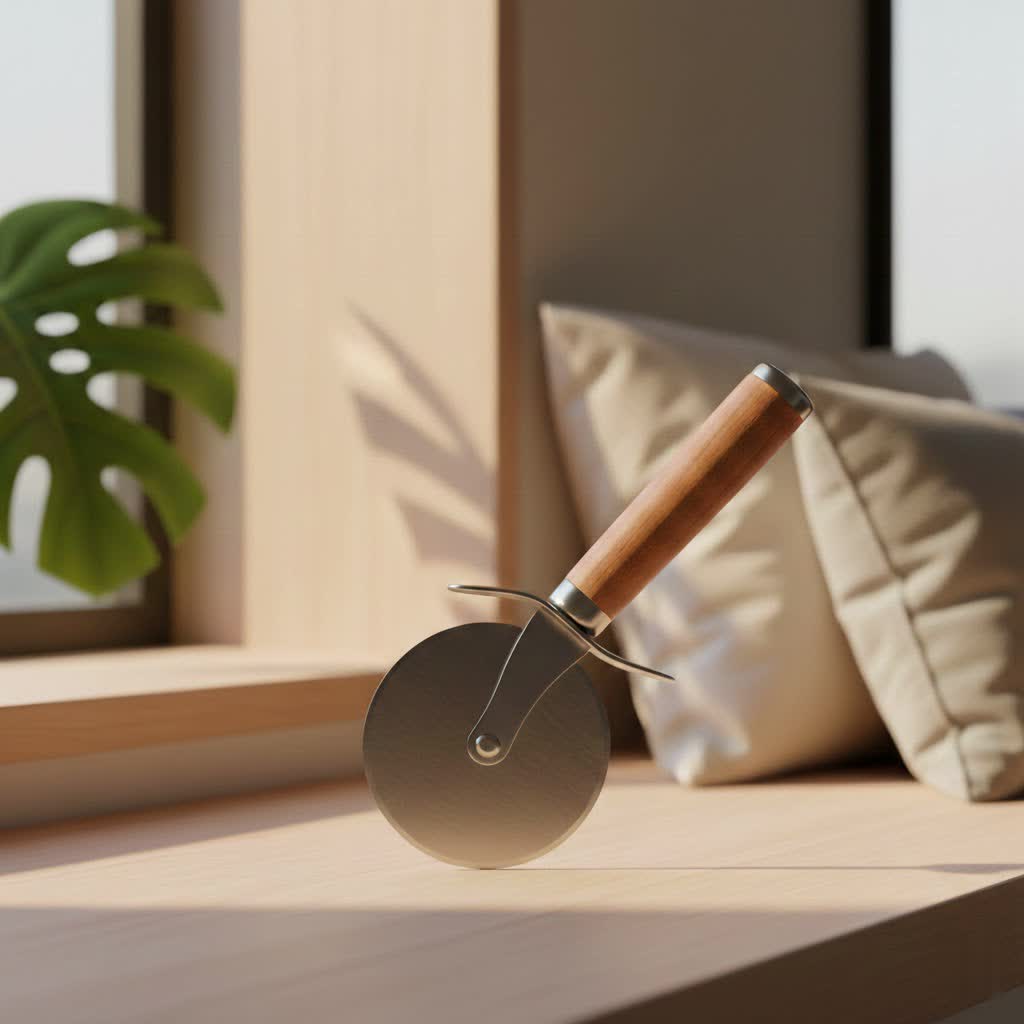
Have you ever struggled to cut through a perfectly baked pizza, only to end up with uneven slices and toppings scattered everywhere? If you’re seeking a blend of formidable cutting power and undeniable style in your kitchen, the Ax Pizza Cutter might just be your ultimate culinary weapon. Far more than a mere novelty, this specialized tool combines the efficiency of a professional rocker blade with an aesthetic inspired by ancient craftsmanship, promising to revolutionize your pizza night.

Choosing the Perfect Pizza Cutter: An A-Z Guide
Navigating the world of pizza cutters can be overwhelming with countless options available. Understanding the fundamental types helps clarify why a specialized tool like the ax pizza cutter stands out for enthusiasts and home chefs alike. Each design offers a distinct cutting experience tailored to different preferences and pizza styles.
Popular Pizza Cutter Types
The market offers a diverse range of tools designed to tackle your favorite pie, each with its own set of advantages and considerations.
- Rolling Wheel Pizza Cutter
- Pros: Generally inexpensive, widely available, easy to store. Its circular blade rolls across the pizza, suitable for quick, basic cuts on thinner crusts.
- Cons: Can drag toppings, especially on loaded pizzas, leading to messy slices. Blades can become dull quickly, requiring more force and potentially tearing the crust. They are also notoriously difficult to clean thoroughly around the wheel mechanism.
- Rocker Pizza Cutter
- Pros: Designed for efficiency and clean cuts, a rocker blade (often seen in professional pizzerias) slices through pizza with a single, swift rocking motion, preserving toppings. These are excellent for any crust thickness and are typically easier to clean due to their single, exposed blade. The ax pizza cutter falls into this category, offering the same functional benefits with an added stylistic flair.
- Cons: Requires more counter space for storage compared to a wheel, and initially, the rocking technique might take a little practice to master for perfectly straight lines.
- Scissor Pizza Cutter
- Pros: Offers precise cutting, making it ideal for individual slices or intricate portions. Some designs come with a spatula base, allowing for easy lifting after cutting. They are generally considered safer, especially for children, as the blades are often guarded.
- Cons: Not ideal for cutting an entire pizza quickly or efficiently, particularly larger pies. Struggling with thick crusts and can be awkward for many users.
|
Our Picks for the Best Pizza Cutter in 2026
We may earn a commission when you use one of our links to make a purchase.
|
||
| Num | Product | Action |
|---|---|---|
| 1 | KitchenAid Classic Pizza Wheel with Sharp Blade For Cutting Through Crusts, Pies and More, Built In Finger Guard for Safety and Comfort Grip to Protect Fingers, Dishwasher Safe, 9-Inch, Black |

|
| 2 | OXO Steel 4" Pizza Wheel |
|
| 3 | Kitchy Pizza Cutter Wheel with Protective Blade Cover, Ergonomic Pizza Slicer (Green) |
|
| 4 | OXO Good Grips 3.5" Pizza Wheel and Cutter |
|
| 5 | KitchenAid Classic Pizza Wheel with Sharp Blade For Cutting Through Crusts, Pies and More, Built In Finger Guard for Safety and Comfort Grip to Protect Fingers, Dishwasher Safe, 9-Inch, Aqua Sky |
|
| 6 | Deiss Lux Heavy Duty Pizza Cutter With Wheel Slicer- Stainless Steel Sharp Smooth Pizza Cutter Wheel With Easy Grip Non-Slip Handle, Dishwasher Safe (BLACK) |
|
| 7 | KitchenStar Pizza Cutter Wheel - 304 Stainless Steel Slicer Knife with Super Sharp Blade, Anti-Wobble Axle Mechanism, Ergonomic Non-Slip Handle & Protective Cover, Dishwasher Safe |
|
| 8 | OXO Good Grips Pizza Wheel and Cutter for Non-Stick Pans |
|
| 9 | GORILLA GRIP BPA-Free Large Pizza Cutter Wheel, 9 Inch, Sharp Stainless Steel Blade, Slip Resistant Handle with Thumb Guard Protection, Slice Thick or Thin Pizzas, Pie, Pastries in Seconds, Black |
|
| 10 | KitchenAid Classic Pizza Wheel with Sharp Blade For Cutting Through Crusts, Pies and More, Built In Finger Guard for Safety and Comfort Grip to Protect Fingers, Dishwasher Safe, 9-Inch, Red |
|
Detailed Comparison of Pizza Cutter Types
To further illustrate the distinct characteristics of each pizza cutter type, a comparative look at key metrics can be incredibly insightful. This table highlights how various designs measure up in terms of practical considerations.
| Feature | Rolling Wheel Pizza Cutter | Rocker Pizza Cutter (including Ax) | Scissor Pizza Cutter |
|---|---|---|---|
| Durability | Varies, often moderate | High (especially for metal designs) | Moderate to High |
| Ease of Use | High | Moderate (requires technique) | High (for individual slices) |
| Ease of Cleaning | Low (around wheel) | High (single, exposed blade) | High (can be disassembled) |
| Price Range | Low to Moderate | Moderate to High | Moderate |
| Topping Preservation | Low | High | High |
| Versatility | Moderate | High (also for herbs, dough) | Low (primarily pizza) |
Factors to Consider When Buying a Pizza Cutter
Choosing the right pizza cutter, especially one as distinctive as an ax design, involves more than just aesthetics. Several critical factors contribute to its performance, longevity, and overall user satisfaction.
- Blade Material
The quality of the blade dictates how cleanly and effortlessly your cutter performs.- Stainless Steel: The most common and popular choice, offering excellent corrosion resistance, durability, and ease of sharpening. High-grade stainless steel (like 440 stainless steel often seen in ax cutters) maintains a sharp edge and is generally dishwasher-safe, making it a kitchen-friendly option.
- High Carbon Steel: Known for its exceptional sharpness and ability to hold an edge. However, it requires more maintenance, as it’s prone to rust if not properly cleaned and dried immediately after use. Some traditional ax designs might use this for an authentic feel.
- Damascus Steel: Prized for its distinctive wavy pattern and superior strength. While visually stunning, Damascus steel blades are often more expensive and also require diligent care similar to high carbon steel.
- What to look for: Prioritize a material that balances sharpness retention with ease of care. For most home cooks, high-quality stainless steel offers the best all-around performance.
- Handle Design
An ergonomic and secure handle is crucial for comfort, control, and safety, particularly when applying significant downward pressure.- Ergonomic Grip: Handles that fit comfortably in your hand reduce strain and provide a more confident hold. Many ax pizza cutters feature robust, shaped handles, often made from wood, that mimic the feel of an actual ax, enhancing the cutting experience.
- Non-Slip: Materials like textured wood or bamboo not only add to the aesthetic but also improve grip, preventing slips even with wet or greasy hands.
- Impact on Use: A well-designed handle allows for better leverage and control, translating to cleaner, more precise cuts with less effort.
- Durability and Longevity
A quality pizza cutter is an investment built to last.- Construction: Look for solid construction where the blade is securely fastened to the handle, preventing wobbling or detachment over time. Hand-forged designs often boast superior structural integrity.
- Corrosion Resistance: This is especially important for blades that frequently come into contact with acidic tomato sauce and moisture. Stainless steel naturally resists rust, while carbon and Damascus steel require more meticulous drying.
- Maintenance for Longevity: Regular cleaning and proper storage are key. For wooden handles, occasional oiling can prevent drying and cracking.
- Ease of Cleaning
Sanitation and convenience are important for any kitchen tool.- Dishwasher Safe: Many stainless steel pizza cutters are dishwasher-safe, offering hassle-free cleaning. Always check manufacturer instructions.
- Hand Washing: For carbon steel or wooden-handled ax cutters, hand washing is typically recommended. Use warm, soapy water, rinse thoroughly, and dry immediately to prevent rust or damage to the wood.
- Tips for Effective Cleaning: The open design of rocker blades, including ax cutters, generally makes them easier to clean than wheel cutters where food can get trapped in the axle.
- Price
Pizza cutters vary widely in price, reflecting differences in material, craftsmanship, and brand.- Value for Money: While budget-friendly options exist, investing in a high-quality ax pizza cutter often provides better performance, greater durability, and a more satisfying user experience in the long run.
- Price Segments: Expect to pay more for hand-forged, Damascus steel, or custom-designed ax cutters, which offer enhanced aesthetics and often superior craftsmanship compared to mass-produced stainless steel versions.
Top Picks: Reviewing the Best Ax Pizza Cutters
When it comes to ax pizza cutters, the “best” often balances exceptional cutting performance with striking design. These tools are prized for their ability to deliver clean, effortless slices while also serving as a unique conversation piece in any kitchen.
The most highly regarded ax pizza cutters typically feature:
- Premium Blade Material: High-carbon stainless steel or even Damascus steel, sharpened to a razor-fine edge that can glide through the thickest crusts and layers of cheese and toppings without dragging.
- Ergonomic & Robust Handle: Often crafted from high-quality hardwoods like ash or rosewood, sometimes with a full tang construction for superior balance and durability. These handles are designed to provide a secure and comfortable grip, allowing for maximum control during the rocking motion.
- Optimal Blade Curvature: A well-designed curve ensures that the entire edge makes contact with the pizza as you rock it, resulting in a complete and clean cut with minimal effort.
- Enhanced Aesthetics: Many feature engraved runes or unique finishes that pay homage to their Viking inspiration, making them ideal gifts for culinary enthusiasts or collectors.
For the home cook, an ax pizza cutter represents an upgrade in both function and form. It transforms the simple act of slicing pizza into a more engaging and efficient task, ensuring every slice is perfectly presented.
> “A good pizza cutter helps you slice pizza easily and quickly, while keeping the toppings intact.” – Professional Pizza Chef
Tips for Using and Maintaining Your Pizza Cutter
Even the finest tools perform best with proper technique and care. Mastering your ax pizza cutter is straightforward, and a little maintenance will ensure it remains a prized kitchen possession for years.
How to Use Your Ax Pizza Cutter:
- Prepare Your Pizza: Once baked, allow your pizza to cool for a minute or two. This helps the cheese and toppings set, preventing them from sticking or tearing. Place the pizza on a stable cutting surface, such as a large cutting board or pizza stone.
- Grip Firmly: Hold the ax pizza cutter by its handle with a firm, comfortable grip. Ensure your fingers are safely away from the sharp blade.
- Position and Slice: Place the curved blade of the ax pizza cutter on the edge of the pizza where you want to begin your first cut. Apply even downward pressure and rock the blade through the pizza towards the center.
- Repeat: Lift the cutter, reposition it for the next slice, and repeat the rocking motion until your entire pizza is perfectly divided. For larger pies, you may need to make multiple cuts from different angles.
Maintenance for Longevity:
- Immediate Cleaning: Always clean your pizza cutter immediately after use. For stainless steel blades, hand washing with warm, soapy water is usually sufficient. Rinse thoroughly.
- Drying: This is especially critical for carbon steel or Damascus steel blades, which are prone to rust. Dry the blade thoroughly with a soft cloth immediately after washing. For wooden handles, ensure they are also dry to prevent cracking or warping.
- Avoid Soaking: Do not leave your pizza cutter soaking in water, particularly if it has a wooden handle or a carbon/Damascus steel blade.
- Sharpening: Even the best blades will dull over time. If your ax pizza cutter’s blade loses its edge, it can be sharpened using a sharpening stone or a professional knife sharpener. Always follow proper sharpening techniques to maintain the blade’s integrity.
- Storage: Store your ax pizza cutter in a dry place. Many come with a protective sheath or can be hung on a magnetic strip to keep the blade safe and prevent accidents.
Conclusion
The ax pizza cutter offers a compelling blend of robust functionality and distinctive style, making it a standout choice for anyone passionate about perfect pizza slices. Its rocker-style design ensures clean cuts that preserve toppings, a significant upgrade from traditional pizza wheels, while its eye-catching aesthetic adds a touch of personality to your kitchen arsenal. By considering blade material, handle design, durability, and ease of cleaning, you can select an ax pizza cutter that not only performs exceptionally but also brings joy to every pizza night. Embrace the power and precision of this unique tool to elevate your pizza-cutting experience. What kind of pizza will you conquer first with your new culinary ax?
Frequently Asked Questions
Which type of pizza cutter is best for thick-crust pizza?
For thick-crust pizza, a rocker-style pizza cutter, including the ax pizza cutter, is often considered the best. Its wide, sharp blade allows you to apply even pressure across the entire slice with a single rocking motion, cutting cleanly through thick dough and heavy toppings without tearing or dragging, unlike a small rolling wheel.
How do ax pizza cutters compare to traditional pizza wheels?
Ax pizza cutters, being a type of rocker, generally offer cleaner cuts and are better at preserving toppings compared to traditional pizza wheels. The rocking motion slices rather than rolls, which minimizes disturbance to cheese and toppings. While wheels are quick for thin crusts, ax cutters excel in precision and power, especially for thicker or heavily loaded pizzas.
Can an ax pizza cutter be used for other foods?
Absolutely! The versatile design of an ax pizza cutter makes it suitable for various kitchen tasks beyond just pizza. It can effortlessly slice through flatbreads, quesadillas, pasta dough, and even be used for chopping herbs, bar cookies, or brownies, leveraging its sharp blade and rocking action for efficient and clean cuts.
What are the best materials for an ax pizza cutter blade?
The best materials for an ax pizza cutter blade are typically high-grade stainless steel (like 440 stainless) or Damascus steel. Stainless steel offers excellent durability, corrosion resistance, and ease of maintenance, making it very kitchen-friendly. Damascus steel provides superior strength and a distinctive aesthetic but often requires more meticulous care to prevent rust.
How do I maintain the sharpness of my ax pizza cutter?
To maintain the sharpness of your ax pizza cutter, always clean it immediately after use by hand with warm, soapy water and dry it thoroughly to prevent corrosion. Avoid dishwashers, especially for carbon or Damascus steel blades. Periodically, you can use a sharpening stone or a honing rod to restore its edge, or have it professionally sharpened.