There’s nothing quite like the anticipation of a freshly baked pizza, its aroma filling the kitchen. But that moment can quickly turn frustrating if your pizza cutter struggles to deliver clean, effortless slices. Instead of neatly cut portions, you’re left with dragged toppings and a mangled crust. A great pizza cutter, however, transforms this experience, making it a joy to serve up perfect slices every time. This comprehensive guide will help you navigate the world of pizza cutters, revealing the different types, essential features, and top recommendations so you can find the ideal tool to elevate your pizza nights.
Choosing the Perfect Pizza Cutter: An A-Z Guide
Understanding the various styles of pizza cutters is the first step toward finding your perfect match. Each design offers unique benefits and drawbacks, catering to different preferences and pizza types.
Popular Pizza Cutter Types
|
Our Picks for the Best Pizza Cutter in 2026
We may earn a commission when you use one of our links to make a purchase.
|
||
| Num | Product | Action |
|---|---|---|
| 1 | KitchenAid Classic Pizza Wheel with Sharp Blade For Cutting Through Crusts, Pies and More, Built In Finger Guard for Safety and Comfort Grip to Protect Fingers, Dishwasher Safe, 9-Inch, Red |

|
| 2 | GORILLA GRIP BPA-Free Large Pizza Cutter Wheel, 9 Inch, Sharp Stainless Steel Blade, Slip Resistant Handle with Thumb Guard Protection, Slice Thick or Thin Pizzas, Pie, Pastries in Seconds, Black |
|
| 3 | OXO Good Grips Pizza Wheel and Cutter for Non-Stick Pans |
|
| 4 | KitchenAid Classic Pizza Wheel with Sharp Blade For Cutting Through Crusts, Pies and More, Built In Finger Guard for Safety and Comfort Grip to Protect Fingers, Dishwasher Safe, 9-Inch, Aqua Sky |
|
| 5 | Deiss Lux Heavy Duty Pizza Cutter With Wheel Slicer- Stainless Steel Sharp Smooth Pizza Cutter Wheel With Easy Grip Non-Slip Handle, Dishwasher Safe (BLACK) |
|
| 6 | KitchenAid Classic Pizza Wheel with Sharp Blade For Cutting Through Crusts, Pies and More, Built In Finger Guard for Safety and Comfort Grip to Protect Fingers, Dishwasher Safe, 9-Inch, Black |
|
| 7 | Kitchy Pizza Cutter Wheel with Protective Blade Cover, Ergonomic Pizza Slicer (Green) |
|
| 8 | KitchenStar Pizza Cutter Wheel - 304 Stainless Steel Slicer Knife with Super Sharp Blade, Anti-Wobble Axle Mechanism, Ergonomic Non-Slip Handle & Protective Cover, Dishwasher Safe |
|
| 9 | OXO Steel 4" Pizza Wheel |
|
| 10 | OXO Good Grips 3.5" Pizza Wheel and Cutter |
|
When you picture a pizza cutter, a specific image likely comes to mind, but the market offers more variety than many realize. From classic wheels to innovative rocker blades and specialized scissors, each type provides a distinct cutting experience.
Wheel Pizza Cutter (Rolling Style)
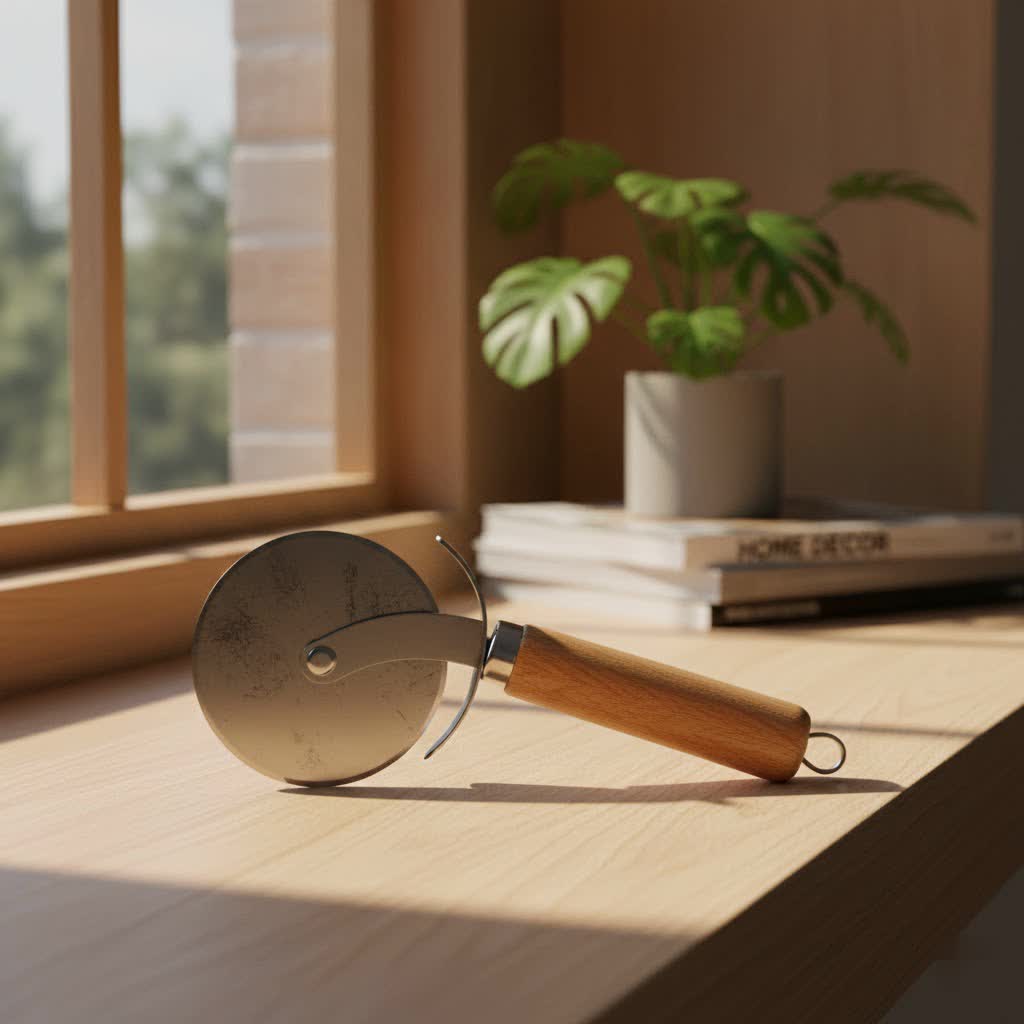
The most common and widely recognized pizza cutter features a circular blade attached to a handle. This design relies on a rolling motion to slice through the pizza.
- Advantages: Wheel cutters are generally easy to use and can cut quickly across a pizza. They are often versatile enough for various crust types, from thin and crispy to moderately thick. Their compact design also makes them relatively easy to store.
- Disadvantages: A major drawback can be their tendency to drag toppings or cheese, especially if the blade isn’t perfectly sharp or the pizza is heavily loaded. Cleaning can also be challenging, as cheese and toppings can get stuck around the axle and blade housing. Smaller wheels might struggle with very thick crusts, requiring multiple passes.
Rocker Pizza Cutter (Mezzaluna Style)
A rocker cutter, often called a mezzaluna (Italian for “half-moon”), is a long, curved blade with handles on either end. It cuts pizza with a rocking motion.
- Advantages: Rocker cutters excel at making precise, clean cuts in a single motion, which is fantastic for keeping toppings perfectly in place. Their design also makes them exceptionally easy to clean, as there are no intricate parts where food can get trapped. They are particularly effective for thick-crust pizzas and for quickly slicing an entire pie into many pieces.
- Disadvantages: They require a decent amount of counter space for cutting and can be somewhat unwieldy for smaller pizzas. Users need to apply firm, even pressure across the blade, which might take some getting used to. Storage can also be an issue due to their length.
Scissor Pizza Cutter (Scizza Style)
Pizza scissors are a less conventional but highly practical option, essentially a specialized pair of shears designed for pizza. Some models even feature a spatula-like bottom blade to scoop and slice simultaneously.
- Advantages: These cutters offer excellent control and precision, allowing you to cut individual slices or even smaller bites without disturbing neighboring pieces. They are safe to use on any surface, including delicate non-stick pans or serving dishes, without fear of scratching. Many models are easy to clean, especially those that can be disassembled. They can also be a safer option for children to use under supervision.
- Disadvantages: Scissor cutters can be slower than a wheel or rocker for an entire large pizza. They may also feel less “professional” to some users and can struggle with exceptionally thick or very crispy crusts.
Detailed Comparison of Pizza Cutter Types
Choosing between the different types often comes down to balancing performance with convenience. Here’s a detailed comparison to help you weigh your options:
| Feature | Wheel Pizza Cutter | Rocker Pizza Cutter (Mezzaluna) | Scissor Pizza Cutter |
|---|---|---|---|
| Durability | Good (depends on blade and handle material) | Excellent (solid blade, often high-carbon steel) | Good (depends on blade and pivot quality) |
| Ease of Use | Very easy for quick cuts | Requires practice for even pressure, but very effective | Straightforward, excellent control |
| Ease of Cleaning | Can be challenging around axle | Very easy (single, exposed blade) | Easy (especially if detachable) |
| Best For | Everyday use, thin to medium crusts | Thick crusts, heavily topped pizzas, professional use | Delicate surfaces, precise individual cuts, safety |
| Common Issue | Topping drag, difficult cleaning | Storage, initial learning curve | Slower for whole large pizzas |
| Blade Size | Varies (3-4 inch common), larger for thick crust | Long (12-16 inches common) | Varies, often proportional to standard scissors |
| Storage | Compact, fits in drawers | Can be long and awkward to store | Relatively compact, may have locking mechanisms |
Essential Factors to Consider When Buying a Pizza Cutter (Buying Guide)
Beyond the basic type, several critical features determine a pizza cutter’s effectiveness, durability, and user experience. Investing in a high-quality tool means considering these elements carefully.
Blade Material
The blade is the heart of any pizza cutter, and its material directly impacts cutting performance and longevity.
- Stainless Steel: This is the most prevalent and recommended material. High-quality stainless steel blades offer excellent sharpness, corrosion resistance, and durability. High-carbon stainless steel provides even better edge retention and strength. It’s robust enough to cut through tough crusts without bending and resists rust from frequent washing.
- Ceramic: While less common, ceramic blades are exceptionally sharp and hold their edge for a very long time. They are also rust-proof. However, ceramic is brittle and prone to chipping or breaking if dropped or if used with excessive force on hard surfaces.
- Titanium-Coated: Some blades feature a titanium coating over stainless steel. This can enhance durability and provide a non-stick surface, further reducing topping drag and making cleaning easier. It’s often found in more premium models.
Handle Design
A comfortable and secure grip is crucial for control and safety, minimizing hand fatigue during use.
- Ergonomic Design: Look for handles that fit naturally in your hand, providing a comfortable and firm grip. Contoured or angled handles can reduce strain on the wrist.
- Non-Slip Material: Handles made from soft-grip plastics, silicone, or textured stainless steel offer better control, especially when hands might be wet or greasy from cooking.
- Finger Guard: A finger guard, particularly on wheel cutters, provides an essential safety barrier between your fingers and the sharp blade, preventing accidental cuts.
Durability and Longevity
A good pizza cutter is an investment that should last for years.
- Sturdy Construction: The overall build quality matters. Look for solid connections between the blade and handle, with no wobbling or flimsy parts.
- Rust and Corrosion Resistance: Especially for stainless steel, ensure it’s high-grade to withstand frequent washing and exposure to acidic pizza ingredients without rusting.
- Sharpenability: While rocker blades are generally easier to sharpen at home, some wheel cutters can also be sharpened to extend their life, provided you have the right tools and expertise.
Ease of Cleaning
No one wants a difficult cleanup after a delicious meal.
- Dishwasher Safe: Many modern pizza cutters are labeled dishwasher-safe, which offers maximum convenience. However, hand washing and immediate drying can often prolong the life and sharpness of the blade.
- Detachable Parts: For wheel and scissor cutters, models that allow the blade or parts to be easily detached make thorough cleaning much simpler, preventing food from getting trapped.
- Smooth Surfaces: Designs with minimal crevices and smooth transitions prevent cheese and sauce from accumulating, making them easier to wipe clean.
Price Point
Pizza cutters are available across a wide range of prices, from budget-friendly to premium.
- Entry-Level: Affordable options often feature plastic handles and basic stainless steel blades. They can be perfectly adequate for occasional home use but may lack the durability and refined cutting experience of higher-end models.
- Mid-Range: These typically offer improved ergonomics, better quality stainless steel blades, and more robust construction, providing excellent value for regular use.
- Premium: High-end cutters boast superior materials (e.g., high-carbon stainless steel, titanium coatings), sophisticated ergonomic designs, and exceptional durability, often favored by serious home cooks or professionals. Consider your frequency of use and budget when deciding.
Top Picks: Discovering the Best Pizza Cutters for Every Need
Based on rigorous testing and user feedback, certain pizza cutters consistently rise to the top. While specific brands and models can vary, here are categories and features to look for when selecting a highly-rated option.
- Best Overall Wheel Cutter: Look for models with a large (4-inch or more), sharp stainless steel wheel and a comfortable, non-slip ergonomic handle with a finger guard. These provide a smooth, clean slice across various crust types and are a reliable choice for most home users. Brands like OXO are frequently praised for their balance of comfort, performance, and value.
- Best Rocker Cutter: Opt for a rocker made from a single piece of high-quality stainless steel, typically 14-16 inches long, with sturdy, well-integrated handles. The key is a consistently sharp, slightly beveled edge for effortless cutting. These are a favorite for thick crusts and those who want to avoid disturbing toppings.
- Best Pizza Scissors: Seek out scissors with very sharp, strong stainless steel blades, often designed to separate for easy cleaning. A spatula-style bottom blade is a bonus, allowing for easy lifting and serving of slices. These are ideal for delicate pizzas or for cutting on non-stick surfaces.
- Best Value Option: Many affordable wheel cutters from reputable kitchenware brands offer surprisingly good performance for their price. Prioritize a sharp blade and a basic, comfortable handle, even if it lacks some of the premium features.
Tips for Using and Maintaining Your Pizza Cutter
Even the best pizza cutter performs optimally with correct usage and proper care.
Mastering the Slice
- Apply Firm, Even Pressure: For wheel cutters, press down firmly and roll in a single, confident motion from one edge of the pizza to the other. Avoid “sawing” back and forth, as this can drag toppings.
- Rock It Right: With a rocker cutter, place the blade across the pizza and apply downward pressure while rocking it back and forth, working your way through the crust. Overlap cuts slightly for complete separation.
- Surface Matters: Always cut your pizza on a surface that can withstand the blade without damaging it or dulling the cutter. A wooden cutting board, a dedicated pizza peel, or a plastic cutting board are excellent choices. Avoid cutting directly on metal pans, pizza stones, or delicate plates, as this can dull the blade and potentially scratch your cookware.
Extending Longevity with Proper Care
- Clean Immediately: Rinse your pizza cutter shortly after use to prevent cheese and sauce from drying and sticking to the blade.
- Hand Wash for Best Results: While many are dishwasher-safe, hand washing with warm, soapy water and a soft sponge is generally recommended to preserve blade sharpness and prevent corrosion, especially for high-quality stainless steel. Pay extra attention to cleaning around the wheel’s axle or the rocker’s curve.
- Dry Thoroughly: Always dry your pizza cutter completely with a clean towel immediately after washing. Leaving it to air dry can lead to water spots or, over time, rust, even on stainless steel.
- Safe Storage: Store your pizza cutter safely, ideally in a drawer organizer or with a blade guard (if provided). This protects the blade from dulling by bumping against other utensils and safeguards your hands when reaching into the drawer.
Conclusion
The quest for the perfect pizza cutter might seem simple, but the right tool can dramatically enhance your pizza-making and dining experience. Whether you prefer the speedy efficiency of a traditional wheel, the precise power of a rocker blade, or the versatile control of pizza scissors, understanding the nuances of each type and the key buying factors is essential. By prioritizing a sharp, durable blade, a comfortable handle, and easy-to-clean design, you’re well on your way to achieving effortless, clean slices every time. Invest wisely, care for your cutter, and you’ll transform every pizza night into a perfectly sliced success. What will your next pizza cutter empower you to create?
Frequently Asked Questions
Which pizza cutter type is best for thick crust or deep-dish pizzas?
For thick crust or deep-dish pizzas, a rocker pizza cutter (mezzaluna) is often the best choice. Its long, curved blade allows you to apply strong, even pressure across a wider area, cutting through dense crusts and generous toppings in a single, clean rock, preventing toppings from being dragged or squished.
Are pizza cutters typically dishwasher safe?
Many modern pizza cutters are designed to be dishwasher safe, especially those made primarily of stainless steel or with easily detachable parts. However, for optimum longevity and to maintain blade sharpness, hand washing and immediate drying are often recommended, particularly for higher-quality models. Always check the manufacturer’s care instructions.
What is the best material for a pizza cutter blade?
High-quality stainless steel is widely considered the best material for a pizza cutter blade due to its excellent combination of sharpness, durability, and resistance to rust and corrosion. Some premium models may feature high-carbon stainless steel or titanium coatings for enhanced edge retention and ease of cutting.
How do I keep my pizza cutter sharp?
To maintain sharpness, always clean and thoroughly dry your pizza cutter immediately after use. Store it safely to prevent the blade from knocking against other utensils. For rocker blades, occasional sharpening with a knife sharpener can restore its edge. Wheel cutters can be sharpened, but it is generally more challenging and may require specialized tools or professional service.
Can pizza cutters be used for cutting other foods?
Yes, a good pizza cutter can be surprisingly versatile. Wheel cutters are excellent for slicing flatbreads, quesadillas, brownies, or even cutting dough for pastries. Rocker cutters can also be used for chopping herbs or slicing vegetables quickly. However, avoid cutting extremely hard items that could chip or dull the blade.