In the fast-paced environment of a commercial kitchen, every tool must perform reliably and efficiently. For pizzerias, restaurants, and foodservice operations, a high-quality Commercial Pizza Cutter is more than just a convenience—it’s an indispensable instrument for achieving perfect slices, maintaining consistent presentation, and optimizing workflow. Imagine the chaos of a busy Friday night without a pizza cutter that can keep up! The right cutter ensures clean cuts through various crusts and toppings, making serving seamless and satisfying customers.
This comprehensive guide will navigate the world of commercial pizza cutters, from understanding different types to evaluating critical buying factors. We’ll explore top models, share expert tips for use and maintenance, and equip you with the knowledge to select the ideal cutter for your establishment’s unique needs.
Mastering the Cut: Popular Types of Commercial Pizza Cutters
Commercial pizza cutters are engineered to handle high-volume demands, offering more robust construction and specialized designs than their home-use counterparts. Knowing the primary types helps in choosing the right tool for specific tasks and pizza styles.
Wheel Pizza Cutter (Rotary Pizza Cutter)
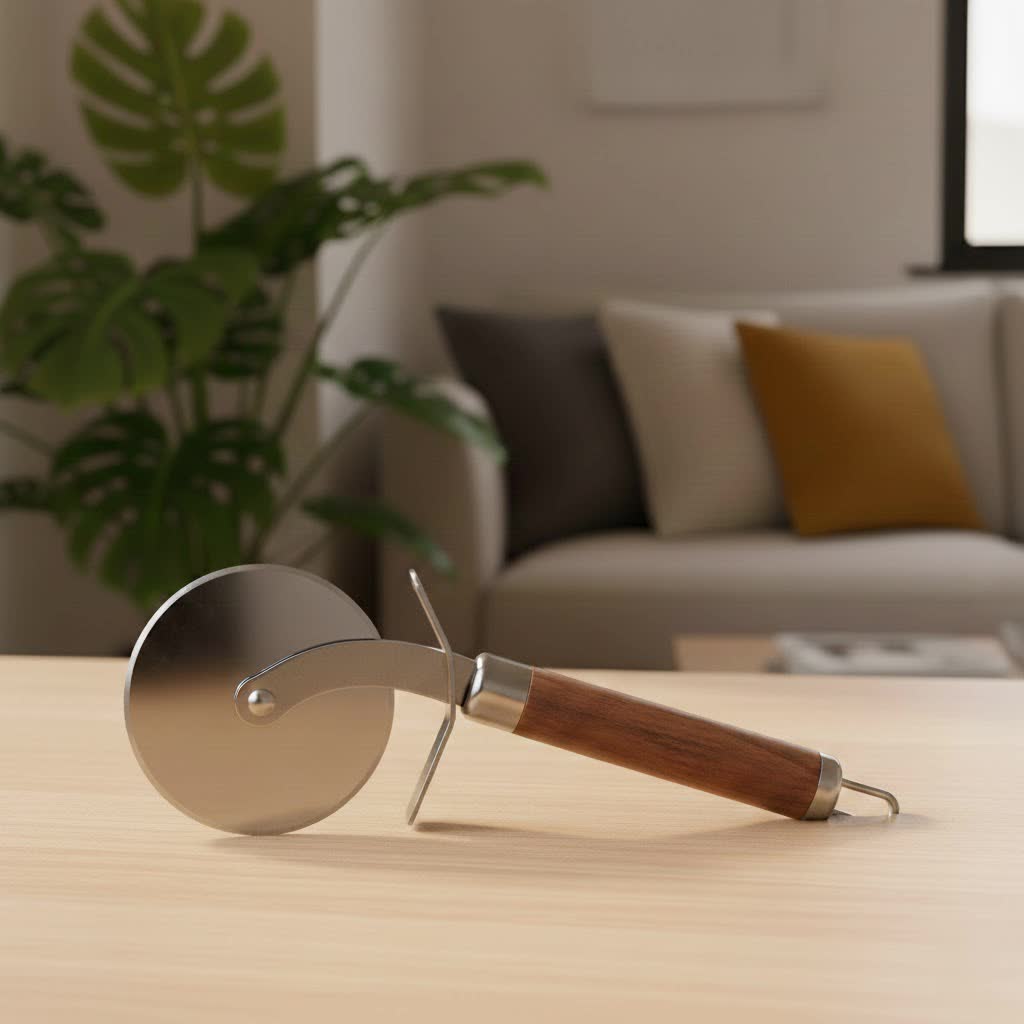
The classic wheel pizza cutter is a staple in many kitchens, recognized for its ease of use and ability to slice quickly. For commercial settings, these typically feature larger, sharper blades and heavy-duty construction.
- Advantages: Wheel cutters are generally straightforward to operate, making quick work of slicing through pizzas, especially thinner crusts. They are versatile and can also be used for other doughs like pastry or quesadillas. Many commercial models are designed for easy blade replacement.
- Disadvantages: A common drawback is the potential to drag toppings, especially on pizzas with generous amounts of cheese or ingredients. They may also require multiple passes for very thick or crispy crusts, which can disrupt the pizza’s integrity. Cleaning around the wheel assembly can sometimes be challenging if not designed for easy disassembly.
|
Our Picks for the Best Pizza Cutter in 2026
We may earn a commission when you use one of our links to make a purchase.
|
||
| Num | Product | Action |
|---|---|---|
| 1 | OXO Good Grips 3.5" Pizza Wheel and Cutter |

|
| 2 | KitchenAid Classic Pizza Wheel with Sharp Blade For Cutting Through Crusts, Pies and More, Built In Finger Guard for Safety and Comfort Grip to Protect Fingers, Dishwasher Safe, 9-Inch, Red |
|
| 3 | Kitchy Pizza Cutter Wheel with Protective Blade Cover, Ergonomic Pizza Slicer (Green) |
|
| 4 | KitchenStar Pizza Cutter Wheel - 304 Stainless Steel Slicer Knife with Super Sharp Blade, Anti-Wobble Axle Mechanism, Ergonomic Non-Slip Handle & Protective Cover, Dishwasher Safe |
|
| 5 | KitchenAid Classic Pizza Wheel with Sharp Blade For Cutting Through Crusts, Pies and More, Built In Finger Guard for Safety and Comfort Grip to Protect Fingers, Dishwasher Safe, 9-Inch, Aqua Sky |
|
| 6 | KitchenAid Classic Pizza Wheel with Sharp Blade For Cutting Through Crusts, Pies and More, Built In Finger Guard for Safety and Comfort Grip to Protect Fingers, Dishwasher Safe, 9-Inch, Black |
|
| 7 | Deiss Lux Heavy Duty Pizza Cutter With Wheel Slicer- Stainless Steel Sharp Smooth Pizza Cutter Wheel With Easy Grip Non-Slip Handle, Dishwasher Safe (BLACK) |
|
| 8 | GORILLA GRIP BPA-Free Large Pizza Cutter Wheel, 9 Inch, Sharp Stainless Steel Blade, Slip Resistant Handle with Thumb Guard Protection, Slice Thick or Thin Pizzas, Pie, Pastries in Seconds, Black |
|
| 9 | OXO Steel 4" Pizza Wheel |
|
| 10 | OXO Good Grips Pizza Wheel and Cutter for Non-Stick Pans |
|
Rocker Pizza Cutter (Mezzaluna Knife)
Often favored by professional pizzerias, the rocker pizza cutter, or mezzaluna, features a long, curved blade that cuts with a rocking motion. These knives are designed for efficiency and precision, particularly in high-volume settings.
- Advantages: Rocker knives excel at making clean, straight cuts in a single, swift motion, which helps keep toppings undisturbed. Their long blades can often slice an entire pizza in one go, significantly speeding up the cutting process. They are also generally easier to clean than wheel cutters due to their simpler, single-blade design.
- Disadvantages: Rocker cutters require a stable cutting surface, typically a large cutting board, and a strong, confident downward rocking motion. They might not be as convenient for smaller or irregularly shaped pizzas. The required cutting boards can also take up significant counter space.
Multi-Blade Rocker Pizza Cutter (The Equalizer)
A specialized version of the rocker knife, multi-blade rocker pizza cutters, sometimes called “The Equalizer,” are designed for ultimate consistency. These tools feature several parallel blades, ensuring perfectly even slices every time.
- Advantages: This type of cutter guarantees uniform slices, which is crucial for portion control and consistent presentation in commercial settings. They are incredibly efficient for high-volume operations, cutting an entire pizza into multiple, precise slices in one swift action.
- Disadvantages: Multi-blade rockers are typically more expensive than single-blade rockers or wheel cutters. Their specialized design means they are less versatile for other kitchen tasks and require specific handling for cleaning and storage to protect all blades.
Pizza Scissors
While less common in high-volume pizzerias, heavy-duty pizza scissors offer a unique approach to slicing.
- Advantages: Pizza scissors provide precise control, allowing for careful cutting without disturbing toppings. They can be particularly useful for serving individual slices directly from the pan or for intricate cutting tasks. Some designs feature a flat bottom plate that slides under the pizza, lifting and cutting simultaneously.
- Disadvantages: Scissors are generally slower than wheel or rocker cutters, making them less suitable for busy commercial environments. They may also struggle with very thick or extremely crispy crusts, and cleaning can be more involved due to their multiple components.
Decoding the Details: Detailed Comparison of Commercial Pizza Cutter Types
Choosing the best commercial pizza cutter involves weighing the practical advantages and disadvantages of each type against your operational needs. The table below offers a detailed comparison to help inform your decision.
| Feature | Wheel Pizza Cutter | Rocker Pizza Cutter (Mezzaluna) | Multi-Blade Rocker (The Equalizer) | Pizza Scissors |
|---|---|---|---|---|
| Efficiency | Fast for single pizzas, good for moderate volume. | Very fast for high-volume, single-pass cutting. | Extremely fast, consistent slices in one pass. | Slower, best for individual serving/precision. |
| Precision | Good, but can sometimes drag toppings. | Excellent, clean, straight cuts without disturbing toppings. | Superior, ensures perfectly uniform slices every time. | Excellent, highly controlled, topping-friendly. |
| Ease of Use | Very easy, familiar motion. | Requires practice for proper rocking motion and force. | Relatively easy for consistent slicing once mastered. | Simple to use, similar to regular scissors. |
| Cleaning | Can be challenging around the axle; some are dishwasher safe. | Generally easy due to single, long blade. | More complex due to multiple blades; requires careful washing. | Can be intricate to clean between blades/handles. |
| Durability | Varies; commercial models are robust, often with replaceable blades. | High, typically made from heavy-gauge stainless steel. | Very high, built for heavy commercial use. | Good, depends on material and construction. |
| Best For | General-purpose, moderate volume, various crusts. | High-volume pizzerias, thick/crispy crusts, large pizzas. | High-volume operations demanding precise portion control. | Specialty pizzas, individual slices, delicate toppings. |
| Common Materials | Stainless steel blade, plastic/Santoprene handles. | Stainless steel blade, plastic/wood/Santoprene handles. | Stainless steel blades, often with robust handle designs. | Stainless steel blades, plastic handles. |
| Price Range | Low to moderate. | Moderate to high. | High. | Low to moderate. |
The Buying Blueprint: Factors to Consider When Purchasing a Commercial Pizza Cutter
Selecting the perfect commercial pizza cutter involves more than just picking a type; it requires a deep dive into specific features that impact performance, longevity, and hygiene in a demanding kitchen environment.
Blade Material and Sharpness
The blade is the heart of any pizza cutter. For commercial use, sharpness and durability are paramount.
- Stainless Steel: This is the most common and recommended material for commercial pizza cutter blades. High-carbon stainless steel offers excellent corrosion resistance and can hold a sharp edge well. It’s durable enough to withstand frequent use and washes.
- Ceramic: While extremely sharp and rust-proof, ceramic blades can be brittle and prone to chipping, making them less ideal for the rigorous demands of a commercial kitchen.
- Titanium-Coated: Some blades feature a titanium coating for added durability and a non-stick surface, which can help prevent cheese and toppings from clinging.
A consistently sharp blade is crucial for clean, efficient cuts that don’t tear the crust or drag toppings. Regularly sharpening rocker blades and having replacement wheels readily available for wheel cutters will maintain peak performance.
Handle Design: Ergonomics and Grip
Commercial kitchens demand tools that are comfortable and safe for repeated, extended use.
- Ergonomic Design: Handles should fit comfortably in the hand, reducing fatigue and strain during busy shifts. Contoured designs and sufficient length are key, especially for rocker knives that require substantial leverage.
- Non-Slip Grip: Materials like Santoprene, textured plastic, or rubberized handles provide a secure, non-slip grip, even when hands are wet or greasy. This is vital for safety and control.
- Heat Resistance: For cutters used near hot ovens or on freshly baked pizzas, a heat-resistant handle is a significant advantage.
Durability and Longevity
Commercial pizza cutters endure heavy use, making robust construction a non-negotiable feature.
- Construction Quality: Look for solid, heavy-duty construction. Blades should be securely attached to handles without wobble or weak points.
- Corrosion Resistance: Stainless steel blades and components are essential to resist rust and corrosion from constant exposure to moisture and acidic food residues.
- Replaceable Parts: For wheel cutters, the availability of replacement blades can significantly extend the life of the tool, offering a cost-effective solution over replacing the entire unit.
Ease of Cleaning and Hygiene
Maintaining strict hygiene standards is critical in any commercial kitchen.
- Dishwasher Safe: Many commercial pizza cutters are designed to be dishwasher safe, simplifying the cleaning process and ensuring proper sanitization. Always check manufacturer specifications.
- Easy Disassembly: For wheel cutters, models that can be easily disassembled allow for thorough cleaning of all components, preventing food buildup around the axle.
- Smooth Surfaces: Cutters with smooth, non-porous surfaces are easier to wipe clean and less likely to harbor bacteria. Handle-to-blade seals that prevent food particles from getting trapped are also beneficial.
Price and Value
Commercial pizza cutters vary widely in price, reflecting differences in material, design, and brand reputation.
- Budget-Friendly Options: While inexpensive wheel cutters are available, consider the long-term value. A lower upfront cost might mean more frequent replacement or compromised performance.
- Mid-Range Investments: Many reputable brands offer durable, efficient cutters in a mid-price range that provide excellent value for most operations.
- Premium Tools: High-end multi-blade rockers or specialized professional knives represent a larger investment but can offer unparalleled efficiency, precision, and longevity for high-volume, quality-focused establishments.
> “Investing in a professional-grade pizza cutter not only streamlines your operation but also elevates the customer experience by ensuring every slice is perfectly presented.” – Chef Maria S., Pizzeria Owner
Cutting Edge: Top Picks for Commercial Pizza Cutter Models
Based on common features and commercial requirements, here are some highly-regarded types and models (brands often mentioned in commercial settings) that represent excellent choices for various commercial needs.
- Mercer Culinary Millennia Pizza Cutter (Wheel Type): Praised for its sharp, high-carbon steel blade and ergonomic Santoprene handle, this wheel cutter offers excellent control and durability. It’s a reliable choice for moderate to high-volume kitchens looking for a traditional yet professional wheel.
- Dexter-Russell Sani-Safe Pizza Rocker Knife: Dexter-Russell is a trusted name in commercial cutlery. Their Sani-Safe rocker knives feature durable DEXSTEEL blades and slip-resistant Sani-Safe handles, built to withstand the rigors of heavy use while promoting hygiene. These come in various lengths (e.g., 18-inch, 20-inch) to accommodate different pizza sizes.
- LloydPans “The Equalizer” Multi-Blade Rocker: For establishments prioritizing consistent portioning and maximum efficiency, “The Equalizer” from LloydPans is a top-tier choice. Made of durable stainless steel, it slices 16- or 17-inch pizzas into 8 or 10 perfectly equal slices in one swift motion, ideal for high-volume pizzerias.
- American Metalcraft Rocker Knives: American Metalcraft offers a range of robust rocker knives, often featuring long stainless steel blades and sturdy handles (e.g., double nylon or wood handles). These are built for durability and efficient cutting in commercial environments.
The Perfect Slice: Tips for Using and Maintaining Your Commercial Pizza Cutter
To maximize the efficiency and lifespan of your commercial pizza cutter, proper usage and diligent maintenance are key.
Effective Usage Techniques
- Preparation is Key: Always place the hot pizza on a sturdy, non-slip cutting surface, ideally a dedicated pizza cutting board.
- Apply Firm, Even Pressure: Whether using a wheel or a rocker, apply consistent downward pressure. For wheel cutters, roll firmly and confidently in a single, fluid motion from one edge to the other. For rocker knives, use a swift, deliberate rocking motion, ensuring the entire blade makes contact with the pizza surface.
- One Pass, Clean Cut: Aim to cut through the pizza in as few passes as possible to prevent tearing the crust or dragging toppings. Rocker knives are particularly adept at this.
- Angle for Success (Wheel Cutters): For a wheel cutter, slightly angle the blade towards the center of the pizza for an easier and cleaner cut.
- Utilize Guides (Multi-Blade Rockers): When using multi-blade rockers or cutting guides, ensure the pizza is centered and positioned correctly to achieve perfectly even slices.
Prolonging Lifespan: Care and Maintenance
- Immediate Cleaning: Wash your pizza cutter immediately after use with hot, soapy water. This prevents food residue from drying onto the blade and handle, making cleaning much easier.
- Thorough Drying: Always dry the cutter completely after washing, especially if it’s not made entirely of stainless steel. Moisture can lead to rust and dullness.
- Disassemble for Deep Clean (if applicable): If your wheel cutter is designed for disassembly, take it apart regularly for a thorough cleaning to remove any trapped food particles.
- Regular Sharpening: Keep rocker blades sharp using a professional knife sharpener or by sending them out for professional sharpening. For wheel cutters, replace dull blades promptly. A sharp blade works more effectively and is safer to use.
- Safe Storage: Store pizza cutters in a way that protects the blade and prevents accidental injury. Blade guards, magnetic knife strips, or dedicated knife blocks are excellent options.
By following these usage and maintenance tips, your commercial pizza cutter will remain a reliable and high-performing asset in your kitchen for years to come.
Conclusion
Choosing the right commercial pizza cutter is a strategic decision that significantly impacts the efficiency, consistency, and overall success of any foodservice operation. From the rapid slicing of a wheel cutter to the precise, topping-preserving action of a rocker knife, and the unparalleled uniformity of a multi-blade system, each type offers distinct advantages. By carefully considering factors such as blade material, ergonomic handle design, durability, and ease of cleaning, you can select a tool that not only meets the high demands of a commercial kitchen but also contributes to perfectly portioned and beautifully presented pizzas every time. A well-maintained, high-quality pizza cutter is an investment that pays dividends in streamlined operations and satisfied customers.
What specific challenges do you face when slicing pizzas in your commercial kitchen, and how might a specialized cutter address them?
Frequently Asked Questions
Which type of commercial pizza cutter is best for thick-crust pizza?
For thick-crust pizzas, a rocker pizza cutter (mezzaluna) is generally the best option. Its long, curved blade allows you to apply strong, even pressure across the entire pizza, making a clean cut in one swift rocking motion without tearing or dragging toppings. Wheel cutters can sometimes struggle with very thick crusts, requiring multiple passes that can compromise the pizza’s integrity.
How often should a commercial pizza cutter be sharpened or replaced?
For rocker pizza cutters, the blade should be sharpened regularly, ideally weekly for busy kitchens, or whenever you notice it struggling to make clean cuts. Wheel pizza cutters typically use replaceable blades; these should be replaced as soon as they become dull or wobble, which could be every few weeks to a few months depending on usage volume. Regular inspection is key for both types.
Can commercial pizza cutters be used for other foods?
Yes, many commercial pizza cutters are versatile. Wheel cutters can be used to slice flatbreads, quesadillas, pastry dough, or even to trim sheet cakes. Rocker knives are also excellent for chopping herbs, vegetables, or mincing garlic with their large, curved blade, functioning much like a mezzaluna in general food preparation.
What is NSF certification for a pizza cutter?
NSF certification indicates that a commercial pizza cutter has been independently tested and meets strict public health and safety standards. This includes criteria for material safety, product design, and performance, ensuring the cutter is easy to clean, hygienic, and safe for food contact in a commercial environment. Looking for NSF certification ensures compliance with health regulations.
How do I prevent my pizza cutter from damaging the cutting surface?
To prevent damage to your cutting surface, always use your pizza cutter on a designated cutting board, preferably one made of woodfiber, composite, or high-density plastic. Avoid cutting directly on metal pans, stone countertops, or delicate surfaces. Using a rocker knife on a properly sized cutting board also helps distribute pressure and protect both the blade and the surface.