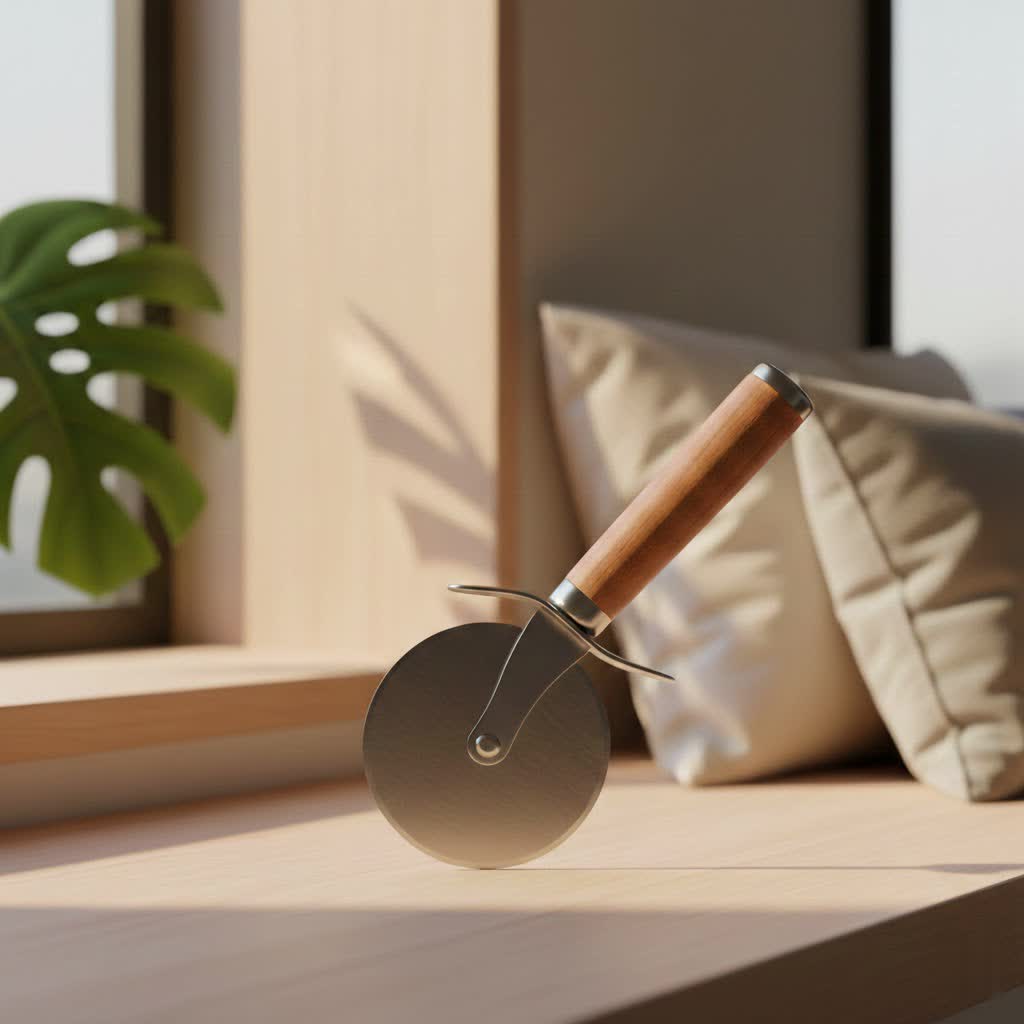
Cutting a pizza might seem like a simple task, but anyone who has wrestled with a dull blade or smeared toppings knows the struggle is real. A quality pizza cutter isn’t just a kitchen gadget; it’s an essential tool that ensures every slice is perfectly defined, the toppings stay intact, and your pizza-enjoying experience is as seamless as possible. Whether you’re a seasoned home chef, a busy parent, or just love a good slice, finding the right pizza cutter can transform your pizza nights. This comprehensive guide will walk you through everything you need to know, from the different types available to critical buying considerations and maintenance tips, helping you slice like a pro.
Choosing Your Perfect Pizza Cutter: An A-Z Guide
The world of pizza cutters extends beyond the familiar wheel. Each design offers unique advantages, catering to different pizza styles and user preferences. Understanding these varieties is the first step to finding your ideal tool.
Popular Types of Pizza Cutters
When it comes to slicing up your favorite pie, you primarily have three styles of cutters to choose from, each with its own set of benefits and drawbacks.
-
Wheel Pizza Cutter (Roller Pizza Cutter)
The most recognizable and widely used type, the wheel pizza cutter features a circular blade attached to a handle. This design allows you to roll the blade across the pizza, making quick and efficient cuts.- Pros: Roller cutters are incredibly easy to use for most people, requiring a simple forward motion. They are generally fast, allowing you to cut an entire pizza in moments. Their versatility makes them suitable for various pizza types, from thin and crispy to moderately thick crusts. Many models are also compact and easy to store.
- Cons: A common complaint is that they can sometimes drag cheese and toppings if the blade isn’t sufficiently sharp or if excessive force is applied incorrectly. Depending on the design, some wheel cutters can be challenging to clean thoroughly around the axle where cheese and sauce accumulate, though many modern designs now offer removable blades for easier sanitation.
-
Rocker Pizza Cutter
Often favored by professional pizzerias, the rocker pizza cutter (also known as a mezzaluna) is a large, curved blade with handles on both ends. You cut by placing the blade over the pizza and rocking it back and forth.- Pros: Rocker cutters excel at delivering precise, clean cuts in a single motion, which is excellent for maintaining the integrity of delicate toppings. They are also remarkably easy to clean, as the large, open blade surface presents fewer nooks and crannies for food to get stuck. This style is particularly effective for large pizzas.
- Cons: They require more downward force compared to a roller, which might be a drawback for some users. While great for many pizzas, they may not be the optimal choice for extremely thick-crust or deep-dish pizzas where a rolling motion can penetrate deeper with less effort. Their size can also make storage an issue in smaller kitchens.
-
Scissor Pizza Cutter
A less conventional but increasingly popular option, pizza scissors are specialized shears designed to cut through pizza. Some models even feature a small spatula on one blade to scoop and serve simultaneously.- Pros: Pizza scissors offer a very easy and controlled cutting experience, as you snip through the pizza. They are often considered safer to use, especially for children learning to help in the kitchen, as the sharp edges are somewhat enclosed. They are also gentle on non-stick pans or delicate serving platters, preventing scratches.
- Cons: They can struggle with very thick or tough pizza crusts, making the cutting process slower and more laborious. Many users also find them less professional for a quick, traditional cutting experience, and they might not produce as aesthetically pleasing slices as a wheel or rocker.
|
Our Picks for the Best Pizza Cutter in 2026
We may earn a commission when you use one of our links to make a purchase.
|
||
| Num | Product | Action |
|---|---|---|
| 1 | KitchenStar Pizza Cutter Wheel - 304 Stainless Steel Slicer Knife with Super Sharp Blade, Anti-Wobble Axle Mechanism, Ergonomic Non-Slip Handle & Protective Cover, Dishwasher Safe |

|
| 2 | OXO Good Grips Pizza Wheel and Cutter for Non-Stick Pans |
|
| 3 | Kitchy Pizza Cutter Wheel with Protective Blade Cover, Ergonomic Pizza Slicer (Green) |
|
| 4 | GORILLA GRIP BPA-Free Large Pizza Cutter Wheel, 9 Inch, Sharp Stainless Steel Blade, Slip Resistant Handle with Thumb Guard Protection, Slice Thick or Thin Pizzas, Pie, Pastries in Seconds, Black |
|
| 5 | KitchenAid Classic Pizza Wheel with Sharp Blade For Cutting Through Crusts, Pies and More, Built In Finger Guard for Safety and Comfort Grip to Protect Fingers, Dishwasher Safe, 9-Inch, Red |
|
| 6 | KitchenAid Classic Pizza Wheel with Sharp Blade For Cutting Through Crusts, Pies and More, Built In Finger Guard for Safety and Comfort Grip to Protect Fingers, Dishwasher Safe, 9-Inch, Aqua Sky |
|
| 7 | OXO Steel 4" Pizza Wheel |
|
| 8 | KitchenAid Classic Pizza Wheel with Sharp Blade For Cutting Through Crusts, Pies and More, Built In Finger Guard for Safety and Comfort Grip to Protect Fingers, Dishwasher Safe, 9-Inch, Black |
|
| 9 | OXO Good Grips 3.5" Pizza Wheel and Cutter |
|
| 10 | Deiss Lux Heavy Duty Pizza Cutter With Wheel Slicer- Stainless Steel Sharp Smooth Pizza Cutter Wheel With Easy Grip Non-Slip Handle, Dishwasher Safe (BLACK) |
|
Detailed Comparison of Pizza Cutter Types
Choosing the right pizza cutter involves weighing the pros and cons against your specific needs. Here’s a comparative overview to help you make an informed decision:
| Feature | Wheel Pizza Cutter (Roller) | Rocker Pizza Cutter | Scissor Pizza Cutter |
|---|---|---|---|
| Ease of Use | Very easy for quick, straight cuts. | Easy for long, clean cuts, requires two hands and firm pressure. | Very easy, particularly for smaller, irregular cuts. |
| Precision | Good for straight lines, but can deviate if not held steady. | Excellent for clean, straight cuts across the entire pizza. | Good for individual slices, less ideal for overall division. |
| Topping Integrity | Can sometimes drag toppings if blade is dull or technique is poor. | Excellent, minimizes topping displacement. | Very good, snips through toppings cleanly. |
| Crust Suitability | Versatile for thin to moderately thick crusts; larger wheels better for thicker. | Best for thin to medium crusts; good for large pizzas. | Best for thin to medium crusts, struggles with very thick. |
| Cleaning | Varies by design (some disassemble for easy cleaning, others more challenging). | Very easy, large open blade. | Generally easy to clean, blades separate in some models. |
| Storage | Compact, fits easily in drawers (consider blade guard). | Can be bulky due to length, may require dedicated space. | Relatively compact, but ensure blades are safely closed. |
| Safety | Generally safe, but requires care with sharp blade; blade guards recommended. | High safety risk due to exposed, long blade; requires careful handling and storage. | Generally safest, especially models with integrated spatula. |
| Price Range | Typically $10 – $30 | Typically $15 – $50+ | Typically $20 – $40 |
Factors to Consider When Buying a Pizza Cutter (Buying Guide)
Once you have a sense of the different types, delve into the specifics that define a high-quality pizza cutter. These factors significantly impact performance, durability, and user satisfaction.
-
Blade Material
The blade is the heart of any pizza cutter. Its material directly influences sharpness, durability, and maintenance.- Stainless Steel: This is the most common and recommended material. High-quality stainless steel blades are durable, resist rust, and maintain their sharpness over time. They are also relatively easy to sharpen when they eventually dull. A medium-thick blade is often a sign of good quality and can be sharpened repeatedly.
- Ceramic: Ceramic blades are incredibly sharp and retain their edge for a long time without needing sharpening. However, they are also more brittle than stainless steel and can chip or break if dropped or subjected to impact.
- Titanium: Some premium cutters feature titanium-coated blades. Titanium offers excellent corrosion resistance and can enhance the blade’s strength and edge retention, often at a higher price point.
-
Handle Design
A comfortable and secure grip is crucial for control and safety, particularly when applying pressure to cut through a hearty pizza.- Look for an ergonomic handle that fits comfortably in your hand, reducing strain during use. A non-slip grip, often made from rubber or silicone, is essential, especially when hands might be wet or greasy from handling pizza. Features like a knuckle guard on wheel cutters provide added protection and a secure resting place for your thumb. A well-designed handle should feel balanced and sturdy, allowing for smooth, fluid motions and enhancing both efficiency and safety.
-
Durability and Longevity
A good pizza cutter should be a long-term investment. Pay attention to its construction to ensure it stands the test of time.- Solid construction is key; avoid cutters that feel wobbly or flimsy. For wheel cutters, models with rivets holding the blade to the handle are often more durable than those using screws, which can loosen over time. Rust resistance is paramount, especially for blades that will frequently come into contact with moisture and acidic food. Proper storage is also vital: always use a blade guard or a designated slot in a utensil drawer to protect the blade and prevent accidental injury.
-
Cleanability
Nobody wants to spend more time cleaning than eating. Ease of cleaning is a significant factor in user satisfaction.- Many modern wheel cutters are designed for easy disassembly, allowing you to remove the blade from the handle for thorough cleaning, preventing food buildup around the axle. Check if the cutter is dishwasher-safe, which offers ultimate convenience. If not, materials that are easy to wipe clean by hand are preferable.
-
Price
Pizza cutters are available across a wide price spectrum, from budget-friendly options to high-end professional tools.- While you can find basic roller cutters for under $10, investing a bit more (e.g., $15-$30) often yields significant improvements in blade quality, handle comfort, and overall durability. Rocker cutters tend to be slightly more expensive due to their larger blade size. Consider your frequency of use and budget, remembering that a well-made cutter will provide better value in the long run.
Top Picks: Reviews of the Best Pizza Cutter Models
Based on extensive testing and user feedback, certain pizza cutters consistently rise to the top for their performance, design, and durability. While “Pizza Cutter Roller” is our primary focus, here’s a look at top contenders across different categories.
-
Best Overall Roller: OXO Good Grips 4-Inch Pizza Wheel
The OXO Good Grips pizza wheel is a perennial favorite for a reason. Its super comfortable, large, non-slip handle makes it exceptionally easy to grip and control. The sharp, 4-inch stainless steel blade effortlessly slices through various crust thicknesses in a single, swift motion, minimizing topping drag. It offers great heft and balance, making it a reliable choice for any home cook. It’s often praised for its ease of cleaning, with some models featuring a removable blade. -
Best Handle-Free Roller: Kitchy Pizza Cutter Wheel
For those seeking maximum leverage, the Kitchy Pizza Cutter Wheel is an excellent choice. Its innovative palm-held design allows you to apply direct downward pressure over the wheel, ensuring clean cuts with minimal effort. The ergonomic grip is comfortable, and the compact design makes storage a breeze. This style is particularly effective for thin to medium-crust pizzas, though deep-dish might pose a slight challenge if the blade guard impedes cutting depth. -
Top Professional-Grade Roller: Mercer Culinary Millennia Pizza Cutter
Often found in commercial kitchens, the Mercer Culinary Millennia Pizza Cutter is celebrated for its robust construction and exceptional sharpness. It features a high-carbon, stain-free steel blade and an ergonomic handle, making it a durable workhorse that can withstand frequent use. It’s designed to slice through thick crusts and abundant toppings without bending or dragging. -
Best Rocker (Mezzaluna Style): Checkered Chef Premium Pizza Cutter
If a rocker is your preference, the Checkered Chef offers a 14-inch stainless steel blade that provides excellent leverage for clean, single-pass cuts. Its design ensures toppings stay put, and the robust construction makes it a durable tool for serious pizza enthusiasts or even small pizzerias.
Classification by Use:
- For Home Use: The OXO Good Grips 4-Inch Pizza Wheel or the Kitchy Pizza Cutter Wheel are fantastic all-rounders, balancing performance, comfort, and ease of cleaning for casual and regular home pizza makers.
- For Restaurants/Professional Use: The Mercer Culinary Millennia Pizza Cutter or the larger Checkered Chef rocker blade are built for durability and efficiency in high-volume settings.
> “A good pizza cutter is more than just a convenience; it’s an investment in your culinary enjoyment. It saves you frustration, preserves your toppings, and ultimately, makes every pizza experience better.” – Chef Alice Chen, Award-winning Pizzeria Owner
Tips for Using and Maintaining Your Pizza Cutter
Even the best pizza cutter needs proper handling and care to perform optimally and last for years.
-
Using Your Pizza Cutter Effectively:
- Prepare Your Surface: Always cut your pizza on a sturdy, heat-safe surface like a wooden cutting board or a dedicated pizza peel. Avoid cutting directly on a hot pizza stone, as this can dull your blade quickly and potentially damage the stone itself.
- Hold Correctly: For wheel cutters, grip the handle firmly with your dominant hand, holding it at roughly a 90-degree angle to the pizza. Your other hand can steady the pizza or the cutting board.
- Apply Smooth, Consistent Pressure: Let the sharpness of the blade do most of the work. Roll the wheel in a steady, confident motion, pressing down firmly but without excessive force that could tear the crust or squish toppings.
- For Thick Crusts: For deep-dish or heavily loaded pizzas, a gentle back-and-forth rocking motion with a wheel cutter, or multiple passes with firm pressure, can help achieve a clean cut without dragging toppings.
- Rockers: With a rocker, place the center of the blade on the pizza and apply downward pressure, rocking it side to side in an arc to cut through. Repeat for each slice.
-
Maintaining Your Pizza Cutter for Longevity:
- Clean Immediately After Use: Rinse your pizza cutter under warm water right after use to prevent cheese and sauce from drying onto the blade and axle.
- Hand Washing is Best: Even if dishwasher-safe, hand washing with mild dish soap and a soft sponge or cloth is often recommended for roller cutters, especially around the wheel mechanism, to ensure thorough cleaning and preserve blade sharpness. Avoid abrasive cleaners or steel wool, which can scratch the blade or dull the edge.
- Disassemble for Deep Cleaning: If your roller cutter is designed to come apart, disassemble it periodically for a more thorough cleaning of all components.
- Dry Thoroughly: Always dry all parts of your pizza cutter completely after washing to prevent rust, especially for stainless steel blades.
- Safe Storage: Store your pizza cutter with a blade guard (if provided) or in a knife block to protect the sharp edge and prevent accidental cuts when reaching into a drawer. Keep it out of reach of children.
- Sharpening: Cutting tools inevitably dull over time. For wheel cutters, sharpening can be tricky due to the rotating blade. Some can be carefully run through a knife sharpener that sharpens as you slide the blade, or you can use a fine-grit sandpaper (220 grit) by applying the blade at the correct angle and pulling it across the paper. For rocker blades, sharpening is similar to a chef’s knife, using a honing steel or whetstone. If sharpening feels unsafe or difficult, consider professional sharpening or replacing an inexpensive dull blade.
Conclusion
Choosing the ideal pizza cutter, particularly a reliable pizza cutter roller, is about more than just making straight lines. It’s about enhancing your culinary experience, ensuring every slice is perfect, and making cleanup a breeze. We’ve explored the diverse world of cutters, from the effortless glide of a traditional roller to the precise action of a rocker and the safety of scissors, highlighting the critical factors like blade material, handle design, and ease of cleaning. By prioritizing features like sharp stainless steel blades, ergonomic grips, and simple maintenance, you can confidently select a tool that will serve you well for years to come.
Remember, a great pizza deserves a great cut. With the right knowledge, you’re now equipped to make an informed decision and elevate your pizza nights from good to gourmet. What’s your go-to pizza topping, and how do you envision your perfect pizza cutter tackling it?
Frequently Asked Questions
Which pizza cutter type is best for thick crust pizza?
For thick crust or deep-dish pizzas, a wheel pizza cutter with a larger diameter blade (4 inches or more) is generally recommended. The larger blade allows for fewer rotations and penetrates the crust with greater ease. Rocker-style cutters can also work, but they require more downward force to cut through very thick bases.
Can I use my pizza cutter on a pizza stone?
It is generally not recommended to use a pizza cutter directly on a pizza stone. Cutting on a pizza stone can dull your cutter’s blade much faster due to the abrasive surface. More importantly, the sharp blade can scratch or even damage the pizza stone, especially if the stone is too hot or too cold, potentially leading to cracks. It’s best to transfer the pizza to a wooden cutting board or a pizza peel before slicing.
How often should I sharpen my pizza cutter roller?
The frequency of sharpening depends on how often you use your pizza cutter and the surfaces you cut on. If you notice your roller starting to drag toppings or requiring more effort to cut through the crust, it’s time for sharpening. For regular users, sharpening every few months might be sufficient, while occasional users may only need to sharpen once a year or less.
Are pizza cutters with removable blades better?
Yes, pizza cutters with removable blades are often considered better, particularly for hygiene and ease of cleaning. The ability to detach the blade from the handle allows for thorough cleaning of all components, preventing the buildup of food particles and ensuring proper sanitation, which can be difficult with fixed-blade roller cutters.
What else can a pizza cutter be used for besides pizza?
A pizza cutter is surprisingly versatile! You can use it to cut pastry dough, trim pie crusts, slice quesadillas, cut herbs and lettuce, divide biscuits or brownies, or even create tortilla strips for salads. For families, they can be a safe tool for cutting kid-friendly snacks like grapes or spaghetti into bite-sized portions.