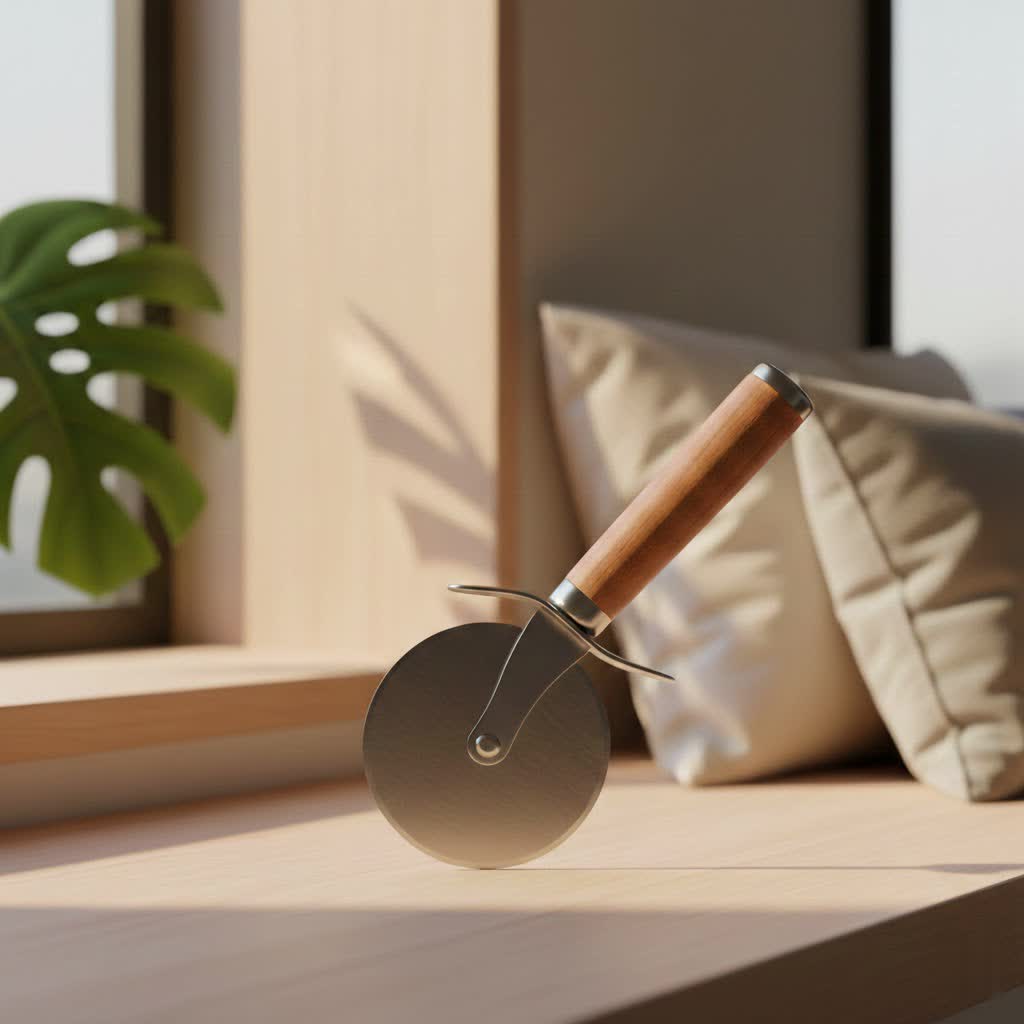
Achieving that perfect pizza slice—clean, effortless, and with toppings perfectly intact—hinges on one crucial tool: a Sharp Pizza Cutter. For any pizza enthusiast, from home cooks to seasoned pizzaiolos, a dull blade can turn a delightful meal into a frustrating mess, tearing crusts and dragging cheese. This comprehensive guide will navigate you through the world of sharp pizza cutters, ensuring you choose the ideal companion for your pizza nights. We’ll delve into the different types, essential buying factors, and expert tips to keep your cutter performing at its peak, guaranteeing perfect slices every time.

Choosing the Perfect Sharp Pizza Cutter: A Comprehensive Guide
The right sharp pizza cutter transforms your pizza-serving experience, making quick, clean work of even the most challenging crusts. But with a variety of designs and features available, how do you pinpoint the one that’s truly perfect for your needs? Understanding the distinct characteristics of each type and the key attributes to look for is paramount.
Popular Types of Sharp Pizza Cutters
|
Our Picks for the Best Pizza Cutter in 2026
We may earn a commission when you use one of our links to make a purchase.
|
||
| Num | Product | Action |
|---|---|---|
| 1 | KitchenAid Classic Pizza Wheel with Sharp Blade For Cutting Through Crusts, Pies and More, Built In Finger Guard for Safety and Comfort Grip to Protect Fingers, Dishwasher Safe, 9-Inch, Red |

|
| 2 | Kitchy Pizza Cutter Wheel with Protective Blade Cover, Ergonomic Pizza Slicer (Green) |
|
| 3 | KitchenStar Pizza Cutter Wheel - 304 Stainless Steel Slicer Knife with Super Sharp Blade, Anti-Wobble Axle Mechanism, Ergonomic Non-Slip Handle & Protective Cover, Dishwasher Safe |
|
| 4 | OXO Good Grips 3.5" Pizza Wheel and Cutter |
|
| 5 | GORILLA GRIP BPA-Free Large Pizza Cutter Wheel, 9 Inch, Sharp Stainless Steel Blade, Slip Resistant Handle with Thumb Guard Protection, Slice Thick or Thin Pizzas, Pie, Pastries in Seconds, Black |
|
| 6 | OXO Steel 4" Pizza Wheel |
|
| 7 | OXO Good Grips Pizza Wheel and Cutter for Non-Stick Pans |
|
| 8 | Deiss Lux Heavy Duty Pizza Cutter With Wheel Slicer- Stainless Steel Sharp Smooth Pizza Cutter Wheel With Easy Grip Non-Slip Handle, Dishwasher Safe (BLACK) |
|
| 9 | KitchenAid Classic Pizza Wheel with Sharp Blade For Cutting Through Crusts, Pies and More, Built In Finger Guard for Safety and Comfort Grip to Protect Fingers, Dishwasher Safe, 9-Inch, Aqua Sky |
|
| 10 | KitchenAid Classic Pizza Wheel with Sharp Blade For Cutting Through Crusts, Pies and More, Built In Finger Guard for Safety and Comfort Grip to Protect Fingers, Dishwasher Safe, 9-Inch, Black |
|
When it comes to slicing through a delicious pizza, there are primarily three types of sharp pizza cutters each offering unique advantages and catering to different preferences and pizza styles.
Wheel Pizza Cutter (Rolling Style)
The most recognizable form, the wheel pizza cutter, features a circular blade attached to a handle, designed to roll across the pizza surface. These cutters are often the first choice for their ease of use and maneuverability.
- Pros: Wheel cutters are incredibly intuitive and can slice through a pizza quickly with minimal effort. Their rolling action makes them agile, suitable for navigating different crust textures and sizes, and they are generally compact for easy storage.
- Cons: If the blade isn’t consistently sharp or if the wheel diameter is too small for a very thick pizza, they can sometimes drag toppings or require multiple passes, leading to a less clean cut. Cleaning around the axle can also be a minor inconvenience.
- Ideal for: Most home users, thin to medium crusts, and quick slicing. A larger diameter wheel (4 inches or more) typically offers a better cutting experience as it provides greater leverage and reduces topping displacement.
Rocker Pizza Cutter (Mezzaluna Style)
A favorite in professional pizzerias, the rocker pizza cutter, often called a mezzaluna due to its crescent shape, is a long, curved blade with a handle on each end. This design allows for a single, decisive cutting motion.
- Pros: Rocker cutters excel at delivering perfectly straight, clean cuts in one swift motion, without disturbing toppings. Their single, exposed blade also makes them exceptionally easy to clean. They are particularly effective on thick-crusted or heavily loaded pizzas where a wheel cutter might struggle or drag.
- Cons: These cutters require a firm, downward press and a wide cutting surface. They can be bulky to store and might feel less intuitive for some home cooks compared to the rolling wheel.
- Ideal for: Thick crusts, loaded pizzas, high-volume cutting, and those who prioritize topping integrity.
Pizza Scissors
While less common as a primary pizza cutter, specialized pizza scissors offer a unique and often safer alternative, particularly for serving individual slices.
- Pros: Pizza scissors provide excellent control, allowing you to snip through crusts and toppings precisely. They are often safer for children to use and can be ideal for cutting pizza directly into plates without needing a separate cutting board.
- Cons: They are generally not designed for cutting an entire pizza efficiently into traditional slices. They might struggle with very thick or crispy crusts and can result in uneven cuts across a whole pie.
- Ideal for: Individual servings, casual use, and specific dietary needs or preferences for smaller, controlled portions.
Detailed Comparison of Pizza Cutter Types
| Feature | Wheel Pizza Cutter | Rocker Pizza Cutter | Pizza Scissors |
|---|---|---|---|
| Ease of Use | Very high; intuitive rolling motion | Medium; requires firm, single press | High; like using regular scissors |
| Cutting Speed | Fast for multiple cuts | Fastest for whole pizza in one motion | Slow for entire pizza |
| Topping Integrity | Can drag toppings if dull or small | Excellent; keeps toppings intact | Very good; precise snips |
| Crust Suitability | Thin to medium crusts | Thick and loaded crusts | Medium crusts, individual slices |
| Cleaning | Good; can be tricky around axle | Excellent; single blade, easy to wipe | Good; blades can separate for wash |
| Storage | Compact | Bulky; requires dedicated space | Compact |
| Durability | Varies by construction; wheel can wobble | High; often solid, single piece design | Medium; depends on hinge quality |
| Price Range | Low to medium | Medium to high | Low to medium |
Factors to Consider When Buying a Sharp Pizza Cutter (Buying Guide)
Choosing the best sharp pizza cutter means looking beyond just the blade. Several factors contribute to a tool that offers longevity, safety, and consistent performance.
Blade Material
The material of the blade is fundamental to its sharpness and how well it maintains that edge.
- Stainless Steel: This is the most common material due to its rust resistance and durability. High-carbon stainless steel is particularly prized for its ability to hold a sharper edge for longer, making it an excellent choice for a consistently sharp pizza cutter.
- Ceramic: Ceramic blades are incredibly sharp and resistant to rust. However, they are more brittle than steel and can chip or break if dropped or used improperly.
- Titanium: Titanium-coated blades offer enhanced durability and corrosion resistance. While often sharp, their performance largely depends on the quality of the base steel underneath the coating.
- Tip: A medium-thick blade often indicates better sharpness retention and easier re-sharpening capabilities.
Handle Design and Ergonomics
A comfortable, secure grip is crucial for control and safety, especially when applying pressure to cut through a crust.
- Ergonomic Design: Look for handles that fit naturally in your hand, reducing strain during use.
- Non-Slip Grip: Materials like rubberized or textured plastic prevent slippage, even with wet or greasy hands.
- Finger Guards: Essential for wheel cutters, a finger guard protects your hand from the sharp blade, especially when pushing down firmly.
- The handle’s design directly impacts the leverage you can apply, affecting how effortlessly the blade glides through the pizza.
Durability and Longevity
A well-constructed pizza cutter will last for years, standing up to repeated use and cleaning.
- Solid Construction: Avoid cutters with wobbly blades or loose handles from the start. Look for a sturdy build.
- Rivet vs. Screw: For wheel cutters, blades attached with rivets tend to be more durable than screws, which can loosen over time. For rocker cutters, a single piece of stainless steel curling over to form the handle (roll-top) indicates excellent durability.
- Rust Resistance: Stainless steel blades are naturally resistant to rust, but proper care is still necessary to prevent corrosion.
Ease of Cleaning
Hygiene is paramount in any kitchen tool. A pizza cutter that is easy to clean ensures no food particles get trapped, preventing bacterial growth.
- Dishwasher Safe: While convenient, hand-washing is often recommended for sharp blades to preserve their edge. Always check manufacturer instructions.
- Disassemblable Parts: For wheel cutters, models that allow you to easily remove the blade for thorough cleaning around the axle are highly beneficial.
- Single-Piece Design: Rocker cutters, being a single piece of metal, are generally the easiest to clean.
Size and Weight
These factors impact both performance and storage.
- Blade Diameter (Wheel): Larger wheels (4 inches or more) offer better leverage and are less likely to drag toppings on thicker pizzas.
- Overall Size (Rocker): Consider your storage space. While effective, large rocker blades can be cumbersome.
- Weight: A cutter with a good “heft” often feels more substantial and provides better control, allowing the tool to do more of the work.
Price and Value
The cost of a pizza cutter can vary significantly, but investing in a quality, sharp tool is often worth it.
- More expensive cutters often feature high-carbon stainless steel, superior ergonomic designs, and robust construction that ensures the blade stays sharp longer and the tool endures. They offer better value in the long run through their performance and durability.
Top Picks: Evaluating the Best Sharp Pizza Cutters
While specific brand names are dynamic, certain characteristics consistently define top-performing sharp pizza cutters.
For wheel-style cutters, the best models combine a large, sharp stainless steel blade with an ergonomic, non-slip handle that often includes a finger guard for safety and control. These cutters effortlessly glide through both thin and thick crusts in a single pass, without crushing the pizza or dragging its toppings. Many highly-rated options also prioritize ease of cleaning, sometimes featuring removable blades.
Rocker-style cutters that stand out are typically crafted from a single piece of high-carbon stainless steel, ensuring a consistently sharp edge and exceptional durability. Their design allows for a powerful, clean cut across the entire pizza with minimal effort, preserving the integrity of toppings. The lack of crevices makes them remarkably easy to clean, solidifying their status as a professional and home kitchen favorite for dense or heavily topped pizzas.
Tips for Using and Maintaining Your Sharp Pizza Cutter
Even the sharpest pizza cutter requires proper technique and care to maintain its performance and longevity.
Proper Cutting Technique
- Apply Firm, Confident Pressure: For wheel cutters, use a steady, firm downward pressure as you roll the blade in one continuous motion. Avoid sawing back and forth, as this can tear the crust and displace toppings.
- Single Pass (Rocker): With a rocker, place the center of the blade on the pizza and apply firm, even pressure, rocking it from one side to the other. This ensures a clean cut in a single pass.
- Use a Suitable Surface: Always cut your pizza on a dedicated cutting board (wood or plastic). Cutting directly on a pizza stone, baking sheet, or other hard surfaces will quickly dull your blade and can damage your stone.
Sharpening Your Pizza Cutter
Even the sharpest blades will eventually dull with use. Regular sharpening is crucial.
- Rocker Cutters: Sharpening a rocker blade is similar to sharpening a chef’s knife. Use a sharpening stone or a puck sharpener, maintaining the original bevel of the blade.
- Wheel Cutters: These require a different approach. You can use a specialized wheel sharpener or carefully sharpen the rotating blade against a fine-grit sharpening stone, ensuring you rotate the wheel to sharpen the entire edge. A honing steel can also be used between sharpening sessions to realign the blade’s edge.
- Frequency: For home use, sharpening once a year is often sufficient, but for frequent users, every few months might be necessary. You’ll know it’s time when you find yourself pressing harder or tearing the crust.
Cleaning and Storage
Proper cleaning and storage are vital for maintaining sharpness and preventing rust.
- Clean Immediately: Wash your pizza cutter immediately after use to prevent cheese and sauce from drying onto the blade.
- Hand-Wash: While some are dishwasher safe, hand-washing with hot, soapy water is generally recommended to preserve the blade’s sharpness and finish.
- Dry Thoroughly: Always dry the blade completely after washing to prevent rust, especially for high-carbon steel blades.
- Safe Storage: Store your sharp pizza cutter with a blade guard or in a knife block to protect the edge from dulling and to prevent accidental injury.
“A truly sharp pizza cutter isn’t just about cutting; it’s about preserving the integrity of your pizza. It glides through the crust and toppings, leaving you with perfect, inviting slices every time, without turning your masterpiece into a struggle.” – Chef Elena Rossi, Culinary Institute Instructor
Conclusion
Selecting the right sharp pizza cutter is an investment in your pizza-making and serving experience. By understanding the distinct advantages of wheel, rocker, and even scissor-style cutters, and by prioritizing features like blade material, ergonomic handles, and ease of cleaning, you can choose a tool that delivers consistently clean, effortless slices. Remember that proper technique and diligent maintenance—including regular sharpening and thorough cleaning—are equally important for preserving your cutter’s peak performance. With a truly sharp pizza cutter in hand, every pizza night promises to be a seamless, enjoyable culinary adventure. What kind of pizza will you be slicing perfectly next?
Frequently Asked Questions
Which sharp pizza cutter type is best for thick-crust or deep-dish pizza?
For thick-crust or deep-dish pizzas, a sharp rocker pizza cutter (mezzaluna) is generally the best choice. Its long, curved blade allows you to apply strong, even downward pressure, slicing through dense crusts and abundant toppings in a single, clean motion without dragging or squishing them.
How often should I sharpen my pizza cutter?
The frequency of sharpening depends on how often you use it. For typical home use, sharpening once a year is usually sufficient. However, if you use your pizza cutter frequently or notice it’s starting to tear crusts instead of cleanly slicing, it’s a good indication that it needs sharpening sooner.
Can I use a regular chef’s knife instead of a pizza cutter?
While you can technically use a sharp chef’s knife, it’s generally not ideal for cutting pizza. Chef’s knife blades are typically thicker than dedicated pizza cutters, which can compress the crust and drag cheese and toppings. A specialized pizza cutter is designed for clean, efficient slicing that preserves the pizza’s texture.
Are more expensive pizza cutters really worth the money?
In most cases, yes, a more expensive pizza cutter offers better value. Higher-priced models typically feature premium materials like high-carbon stainless steel for superior edge retention, robust construction (e.g., riveted blades), and ergonomic handles. These factors contribute to a more durable, consistently sharp tool that performs better and lasts longer.
What is the best way to clean a wheel pizza cutter effectively?
To effectively clean a wheel pizza cutter, wash it immediately after use with hot, soapy water. For models with removable blades, disassemble them to thoroughly clean around the axle where food particles can accumulate. Always dry all parts completely before reassembling and storing to prevent rust and maintain sharpness.