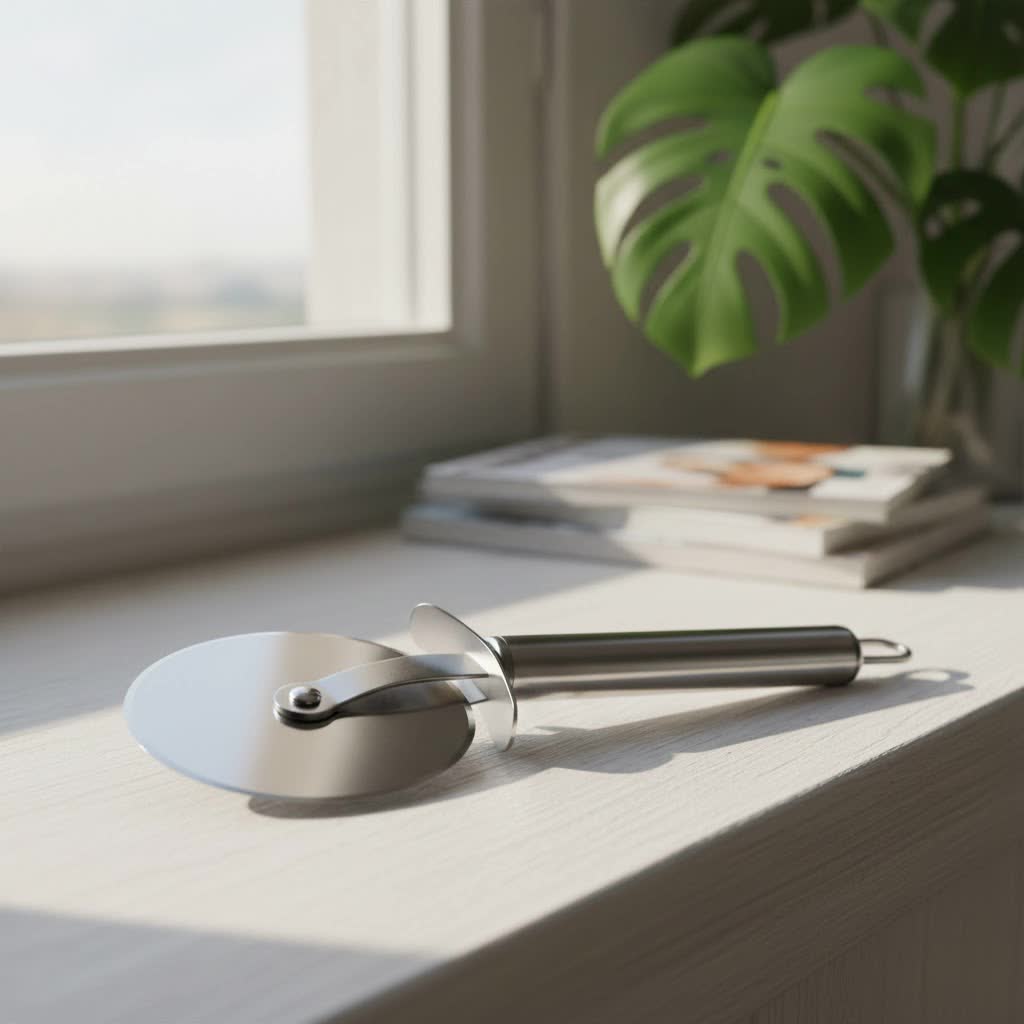
For anyone who has ever wrestled with a perfectly baked pizza, attempting to slice through its crispy crust and molten toppings, the importance of a quality pizza cutter is undeniable. As an Admin of ReviewErol.com and a technician with over a decade of experience dissecting and evaluating hundreds of pizza cutters, I’ve seen it all—from the humble wheel to sophisticated rocker designs. This guide will leverage that hands-on knowledge to help you navigate the fascinating world of pizza cutters, ensuring you pick the perfect tool for your pie-slicing pleasure.
Mastering the Cut: Understanding Popular Pizza Cutter Types
The quest for the ideal pizza slice often begins with choosing the right tool. Pizza cutters come in several distinct forms, each offering unique advantages and catering to different needs and preferences. Understanding these types is the first step to making an informed decision. For more pizza cutter guides on this site.
The Classic: Wheel Pizza Cutter
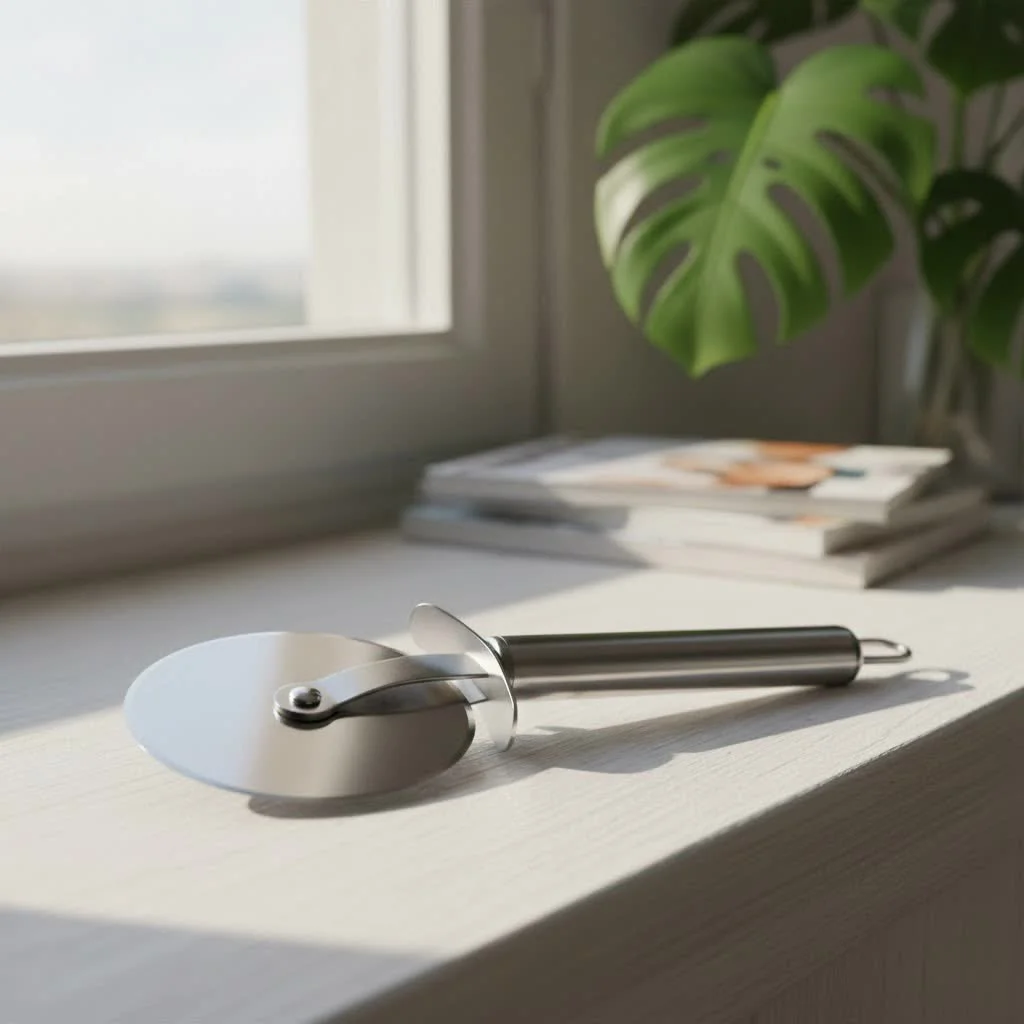
The wheel pizza cutter is arguably the most recognizable and widely used type. Featuring a circular blade attached to a handle, it’s designed for a rolling motion that cuts through pizza with ease.
- Pros: Wheel pizza cutters are generally easy to use, allowing for quick, straight cuts across various pizza styles. Their compact size makes them simple to store, and they are effective for most homemade and takeout pizzas.
- Cons: These cutters can sometimes push toppings around, especially if the blade isn’t sharp or enough pressure isn’t applied. Cleaning can also be tricky, as food debris can get lodged around the axle of the wheel and the blade guard.
The Professional’s Choice: Rocker Pizza Cutter
Often referred to as a “mezzaluna” (meaning “half-moon” in Italian), the rocker pizza cutter features a long, curved blade with handles on either end. It’s operated by rocking the blade back and forth across the pizza.
- Pros: Rocker pizza cutters excel at providing precise, clean cuts without disturbing toppings, thanks to their broad, sweeping motion. They are particularly effective for larger pizzas and can cut through multiple slices at once. Their simple, open design also makes them exceptionally easy to clean.
- Cons: These require more counter space for storage and use, and a sturdy cutting surface is essential. Some users may find that mastering the rocking motion takes a little practice to achieve consistent cuts, and they may be less ideal for very thick-crusted pizzas if not enough downward force is applied.
The Convenient Option: Scissor Pizza Cutter
While less common, some specialized scissors are designed specifically for cutting pizza. These often feature a spatula-like bottom blade that slides under the pizza, lifting it while the top blade cuts.
- Pros: Scissor pizza cutters offer excellent control, allowing for individual slices to be cut and served simultaneously, which can be particularly useful for small, irregular, or deep-dish pizzas. They are also considered safer for children or those who prefer not to use sharp, exposed blades on a rolling or rocking cutter.
- Cons: They are generally slower for cutting an entire pizza compared to wheel or rocker styles. They might struggle with very thick or crispy crusts, and are typically not suited for larger pizzas, potentially requiring multiple cuts for a single slice.
Decoding the Differences: A Detailed Pizza Cutter Comparison
Choosing the best pizza cutter involves more than just picking a type; it’s about matching the tool to your cutting style, pizza preferences, and practical needs. Below is a detailed comparison to help you weigh the options.
| Feature | Wheel Pizza Cutter | Rocker Pizza Cutter | Scissor Pizza Cutter |
|---|---|---|---|
| Ease of Use | Very easy, intuitive rolling motion | Requires practice to master rocking motion | Easy for individual slices, can be slower |
| Cutting Speed | Fast for quick, straight lines | Fast for large pizzas, cuts multiple slices at once | Slower, best for individual servings |
| Topping Integrity | Can push toppings if not sharp or enough pressure | Excellent, minimal topping displacement | Excellent, often lifts and cuts simultaneously |
| Crust Suitability | Good for most crusts, including thin and medium | Excellent for most crusts, especially large/crispy | Best for soft to medium crusts, less for very thick |
| Cleaning | Can be challenging around the axle and guard | Very easy due to open, flat blade | Generally easy, may have nooks in handle |
| Storage | Compact, fits in utensil drawers | Requires more space due to length | Similar to kitchen scissors, moderate space |
| Safety | Blade exposed, requires care | Blade exposed, but handles away from cutting edge | Often designed with guards, generally safer |
| Price Range | Most budget-friendly to mid-range | Mid-range to premium | Mid-range |
The Smart Buyer’s Guide: Factors to Consider When Purchasing a Pizza Cutter
Investing in a quality pizza cutter means considering several key elements that impact its performance, durability, and your overall user experience.
Blade Material: The Edge of Excellence
|
Our Picks for the Best Pizza Cutter in 2026
As an Amazon Associate I earn from qualifying purchases.
|
||
| Num | Product | Action |
|---|---|---|
| 1 | OXO Good Grips 3.5" Pizza Wheel and Cutter |

|
| 2 | GORILLA GRIP BPA-Free Large Pizza Cutter Wheel, 9 Inch, Sharp Stainless Steel Blade, Slip Resistant Handle with Thumb Guard Protection, Slice Thick or Thin Pizzas, Pie, Pastries in Seconds, Black |
|
| 3 | KitchenAid Classic Pizza Wheel with Sharp Blade For Cutting Through Crusts, Pies and More, Built In Finger Guard for Safety and Comfort Grip to Protect Fingers, Dishwasher Safe, 9-Inch, Red |
|
| 4 | OXO Steel 4" Pizza Wheel |
|
| 5 | Deiss Lux Heavy Duty Pizza Cutter With Wheel Slicer- Stainless Steel Sharp Smooth Pizza Cutter Wheel With Easy Grip Non-Slip Handle, Dishwasher Safe (BLACK) |
|
| 6 | KitchenStar Pizza Cutter Wheel - 304 Stainless Steel Slicer Knife with Super Sharp Blade, Anti-Wobble Axle Mechanism, Ergonomic Non-Slip Handle & Protective Cover, Dishwasher Safe |
|
| 7 | KitchenAid Classic Pizza Wheel with Sharp Blade For Cutting Through Crusts, Pies and More, Built In Finger Guard for Safety and Comfort Grip to Protect Fingers, Dishwasher Safe, 9-Inch, Aqua Sky |
|
| 8 | KitchenAid Classic Pizza Wheel with Sharp Blade For Cutting Through Crusts, Pies and More, Built In Finger Guard for Safety and Comfort Grip to Protect Fingers, Dishwasher Safe, 9-Inch, Black |
|
| 9 | Kitchy Pizza Cutter Wheel with Protective Blade Cover, Ergonomic Pizza Slicer (Green) |
|
| 10 | OXO Good Grips Pizza Wheel and Cutter for Non-Stick Pans |
|
The blade is the heart of any pizza cutter, and its material dictates sharpness, longevity, and food safety.
- Stainless Steel: This is the most common and recommended material for pizza cutter blades. High-carbon stainless steel offers an excellent balance of sharpness, durability, and corrosion resistance. It’s food-safe, holds an edge well, and is relatively easy to sharpen.
- Ceramic: Ceramic blades are incredibly sharp and maintain their edge for a very long time without rusting. They are also non-reactive, making them a good choice for those concerned about metallic tastes. However, ceramic is brittle and prone to chipping or breaking if dropped.
- Titanium-Coated Steel: A titanium coating can enhance the durability and non-stick properties of a stainless steel blade, making it even smoother to cut through cheese and toppings. These blades often cost more but offer superior performance and longevity.
It’s crucial that pizza cutter blades are made from rigid, food-safe materials that can be sharpened to a keen edge. Flexible or soft materials, such as fabric, are entirely unsuitable for this task as they cannot provide the necessary sharpness, rigidity, or hygiene required for effective food preparation.
Handle Design: Ergonomics for Effortless Slicing
A comfortable and secure grip is vital for safe and efficient pizza cutting.
- Ergonomic Design: Handles contoured to fit the hand reduce strain and provide better control. Look for features like finger guards on wheel cutters for added safety.
- Non-Slip Materials: Rubberized or textured grips enhance safety, especially when hands might be greasy or wet from handling food.
- Balance: A well-balanced cutter feels natural in the hand, making it easier to apply even pressure.
Durability and Longevity: A Tool That Lasts
A pizza cutter is an investment. Consider the overall construction:
- Sturdy Construction: Look for solid connections between the handle and blade, and robust materials that won’t bend or break under pressure.
- Corrosion Resistance: Especially important for blades, to prevent rust and maintain hygiene. Stainless steel is excellent here.
- Maintenance: How easy is it to sharpen the blade? Can replacement blades be found?
To extend your pizza cutter’s lifespan, always hand wash after use to prevent detergent corrosion, and dry thoroughly before storing. Store rocker cutters with blade guards to protect the edge and your hands.
Ease of Cleaning: Hygiene is Key
Food safety demands easy cleaning.
- Dishwasher Safe: Many modern pizza cutters are designed to be dishwasher safe, which is a major convenience. Check manufacturer specifications.
- Easy to Disassemble: Some wheel cutters can be disassembled for thorough cleaning, ensuring no food particles are left behind.
- Minimal Crevices: Simpler designs, like rocker cutters, generally have fewer spots for food to accumulate, making cleaning straightforward.
Price Point: Value for Your Dough
Pizza cutters range from a few dollars to premium prices.
- Budget-Friendly: Entry-level wheel cutters offer basic functionality at an affordable price.
- Mid-Range: Offers improved materials, ergonomics, and durability. This is often the sweet spot for home users.
- Premium: Features advanced materials (like titanium-coated blades), superior ergonomic designs, and robust construction, often catering to professional or discerning home chefs.
Consider your usage frequency and budget. A higher price often reflects better materials and craftsmanship, providing a better long-term value.
Top Picks: Expert-Reviewed Pizza Cutters for Every Need
Based on extensive testing and user feedback, here are some of the most highly-regarded pizza cutters on the market, categorized by their ideal use.
- For the Everyday Home Cook: The OXO Good Grips 4-inch Pizza Wheel is a perennial favorite, praised for its comfortable non-slip handle, sharp stainless steel blade, and thumb guard for safety. It’s dishwasher safe and offers consistent performance for most home pizzas.
- For Large and Artisan Pizzas: The Wüsthof Classic 14-inch Pizza Cutter (rocker style) is a professional-grade tool. Its sharp, curved blade makes quick work of large pies, preserving toppings beautifully. While an investment, its durability and performance are unmatched.
- For Deep Dish and Specialty Pizzas: The Dreamfarm Scizza Pizza Scissors combine a high-quality stainless steel blade with a heat-resistant spatula base, making it easy to slice and serve even the thickest deep-dish pizzas without damaging the pan or burning your hands.
Masterful Slicing: Tips for Using and Maintaining Your Pizza Cutter
Even the best pizza cutter benefits from proper technique and care.
Expert Usage Tips:
- Use a Cutting Board: Always place your pizza on a sturdy cutting board, preferably wood or a dedicated pizza peel, to protect your countertops and maintain your blade’s sharpness.
- Apply Even Pressure: For wheel and rocker cutters, apply consistent, firm downward pressure as you cut. This ensures a clean slice through crust and toppings.
- One Continuous Motion: Aim for a single, continuous pass when using a wheel or rocker cutter to prevent tearing and smearing of cheese and toppings.
- Angle Your Wheel Cutter: For very crispy crusts, try tilting a wheel cutter slightly (around 45 degrees) to gain better leverage and cut rather than push.
- Clean as You Go (for scissors): If using pizza scissors, clean the blades between slices, especially if cheese or sauce builds up, to maintain smooth cutting.
> “A good pizza cutter is more than just a tool; it’s an extension of your culinary passion, ensuring every slice is as perfect as the pizza itself.” – Chef Elena Rossi, Award-Winning Pizzeria Owner
Prolonging Lifespan: Care and Maintenance Tips:
- Wash Immediately: Clean your pizza cutter shortly after use to prevent food from drying and sticking to the blade.
- Hand Washing Recommended: While some are dishwasher safe, hand washing with warm, soapy water and drying immediately helps preserve the blade’s sharpness and prevents rust, especially for high-carbon stainless steel.
- Sharpen Regularly: Like any knife, a pizza cutter blade will dull over time. Use a knife sharpener or send it for professional sharpening to keep it at its best. A sharp blade is safer and more effective.
- Store Safely: Store your pizza cutter with a blade guard (especially for rocker styles) or in a utensil drawer where the blade won’t dull by rubbing against other tools, and to prevent accidental cuts.
Conclusion
Choosing the perfect pizza cutter is about understanding your needs, recognizing the distinct advantages of each type, and prioritizing factors like blade material, handle comfort, and ease of cleaning. Whether you opt for the swift roll of a wheel, the powerful sweep of a rocker, or the precise snip of a scissor, a well-chosen and properly maintained pizza cutter will transform your pizza nights from a struggle into a seamless, enjoyable experience. What will be your weapon of choice for your next pizza adventure?
Frequently Asked Questions
Which type of pizza cutter is best for thick-crust pizza?
For thick-crust pizzas, a rocker pizza cutter (mezzaluna) is often considered the best choice. Its long, sharp blade allows you to apply significant downward pressure with both hands, cutting through even the densest crusts in a single, decisive motion without tearing or requiring multiple passes.
How often should I sharpen my pizza cutter blade?
The frequency depends on usage, but for regular home use (1-2 times a week), sharpening your pizza cutter blade every 3-6 months is a good guideline. If you notice it’s tearing the crust or dragging toppings instead of slicing cleanly, it’s definitely time for a sharpen.
Are ceramic pizza cutters better than stainless steel?
Ceramic pizza cutters offer exceptional sharpness and corrosion resistance, maintaining their edge longer than steel. However, they are more brittle and prone to chipping or breaking if dropped. Stainless steel, especially high-carbon varieties, provides a robust, durable, and widely preferred option for most users due to its balance of sharpness, strength, and resilience.
Get our weekly buyer guide
Practical specs, not advice. Unsubscribe anytime.
