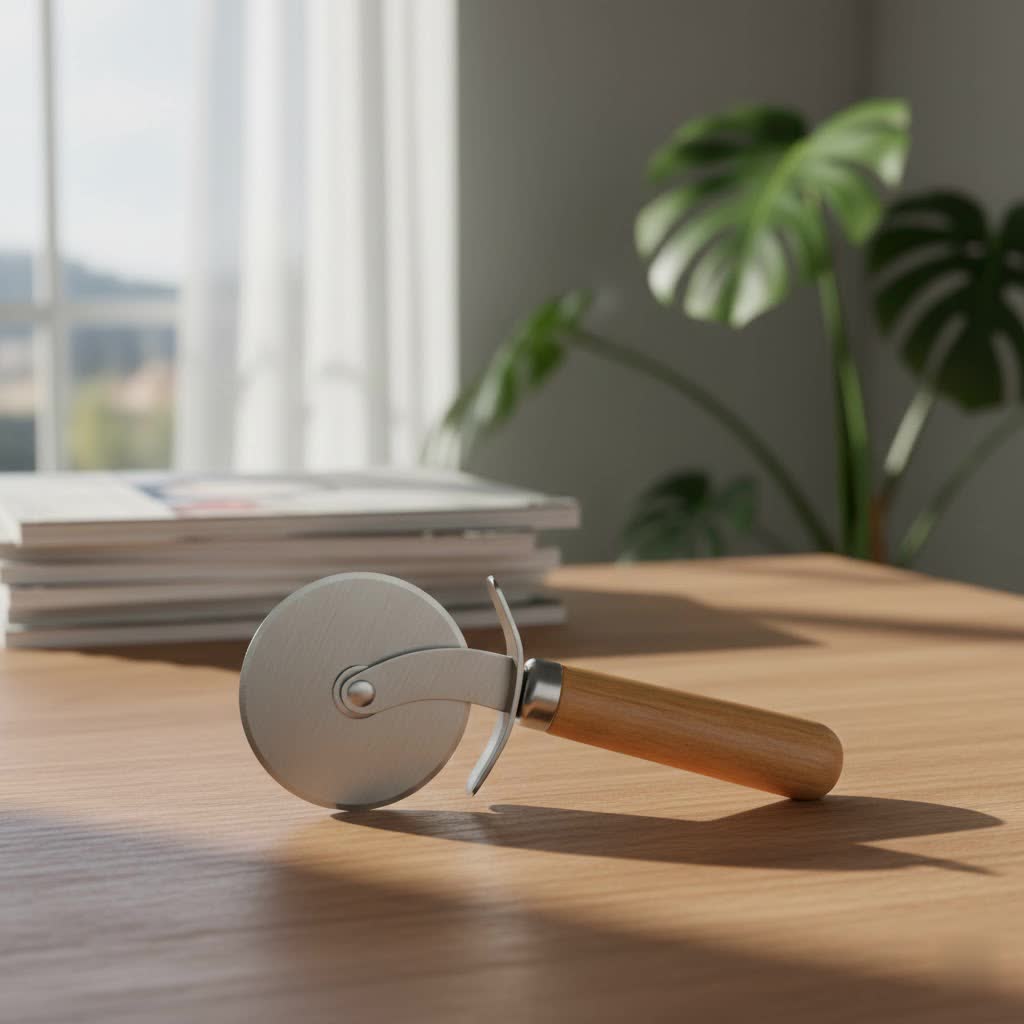
A heavy duty pizza cutter is a robust tool designed to deliver clean, effortless cuts through thick crusts and generous toppings, preventing the frustration of mangled pizzas. These cutters are engineered for superior performance and durability, making them ideal for tasks that overwhelm standard tools. Key types include wheel cutters (best for home use and varied crusts) and rocker cutters (favored by professionals for pristine slices and high-volume cutting), with blade sizes typically ranging from 3.5 to 4 inches for wheels and 14 to 18 inches for rockers.
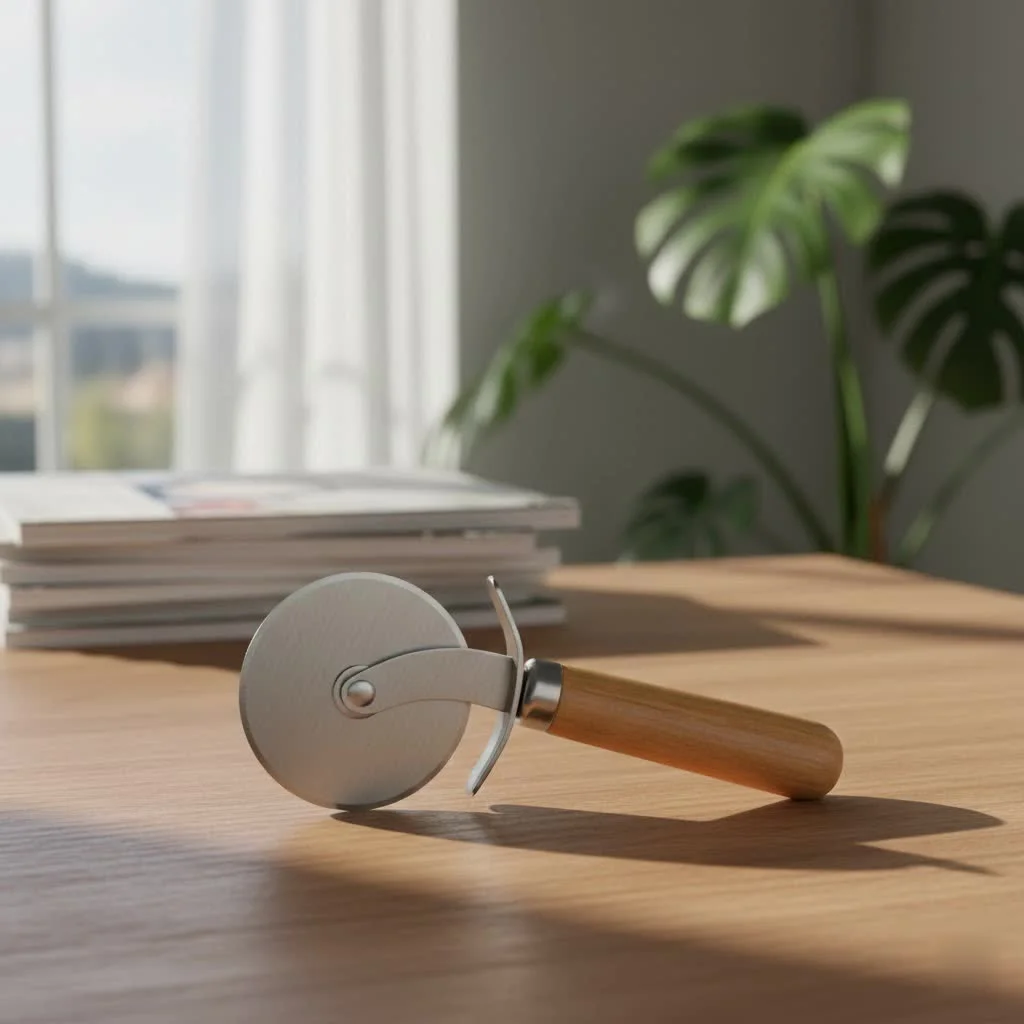
This guide explores the different types, crucial buying factors, top recommendations, and essential maintenance tips to help you choose the perfect heavy duty pizza cutter for your kitchen, ensuring every pizza night is a cut above the rest.
Choosing Your Perfect Slice: A Deep Dive into Heavy Duty Pizza Cutters
When it comes to tackling pizzas, especially those with substantial crusts or generous toppings, not all cutters are created equal. A heavy duty pizza cutter is engineered for superior performance and durability, making light work of tasks that would overwhelm standard tools. But what defines “heavy duty,” and which style is right for you?
Popular Types of Heavy Duty Pizza Cutters
Understanding the primary designs is the first step in finding your ideal cutter. Each type offers distinct advantages based on your cutting style and the kind of pizzas you typically enjoy.
Wheel Pizza Cutter
The most recognizable form, the wheel pizza cutter, features a circular blade attached to a handle. Heavy duty versions elevate this classic design with larger, sharper blades and more robust construction.
- Advantages:
- Ease of Use: Intuitive rolling motion makes it straightforward to operate, even for beginners.
- Speed: Quickly slices through pizzas with continuous movement.
- Versatility: Suitable for various pizza types, from thin to medium crusts, and even pastry doughs. Larger wheels (4-inch diameter or more) are particularly effective for thicker crusts, requiring fewer rotations and less effort.
- Disadvantages:
- Topping Drag: Can sometimes push or drag toppings, especially if the blade isn’t exceptionally sharp or if too much pressure is applied incorrectly.
- Cleaning: The axle and blade mechanism can sometimes make thorough cleaning a bit more challenging, though many modern designs are dishwasher safe or feature easy-to-disassemble parts.
Rocker Pizza Cutter (Mezzaluna)
Often favored by professional pizzerias, the rocker pizza cutter, or mezzaluna, is a crescent-shaped blade with handles on either end. Its design allows for a rocking motion to cut the pizza.
- Advantages:
- Clean Cuts: Delivers incredibly precise, straight cuts in a single, swift motion, without disturbing toppings.
- Efficiency: Can slice an entire pizza into multiple pieces with just a few concerted rocking actions. Ideal for large pizzas or high-volume cutting.
- Easy to Clean: Typically made from a single piece of metal, eliminating crevices where food can get stuck.
- Durability: Its solid construction, often from high-grade stainless steel, makes it inherently robust.
- Disadvantages:
- Requires Cutting Board: Best used with a dedicated pizza cutting board to protect countertops and maintain blade sharpness.
- Storage: The long, curved blade can be awkward to store in standard kitchen drawers.
- Learning Curve: May require a little practice to master the rocking motion for optimal results.
Scissor Pizza Cutter
While less common for overall heavy-duty pizza cutting, specialized pizza scissors exist. These often feature spatulas on one blade to help lift and serve slices.
- Advantages:
- Control & Safety: Offers precise control and can be safer to use, especially for children.
- Portioning: Excellent for cutting individual slices or handling difficult-to-cut personal pizzas.
- Disadvantages:
- Limited Heavy Duty Application: Not typically designed for slicing through entire large or very thick pizzas with the same efficiency as wheels or rockers.
- Specialized: More of a niche tool rather than a primary heavy duty cutter.
Detailed Comparison: Wheel vs. Rocker Pizza Cutters
|
Our Picks for the Best Pizza Cutter in 2026
As an Amazon Associate I earn from qualifying purchases.
|
||
| Num | Product | Action |
|---|---|---|
| 1 | KitchenAid Classic Pizza Wheel with Sharp Blade For Cutting Through Crusts, Pies and More, Built In Finger Guard for Safety and Comfort Grip to Protect Fingers, Dishwasher Safe, 9-Inch, Black |

|
| 2 | KitchenAid Classic Pizza Wheel with Sharp Blade For Cutting Through Crusts, Pies and More, Built In Finger Guard for Safety and Comfort Grip to Protect Fingers, Dishwasher Safe, 9-Inch, Red |
|
| 3 | GORILLA GRIP BPA-Free Large Pizza Cutter Wheel, 9 Inch, Sharp Stainless Steel Blade, Slip Resistant Handle with Thumb Guard Protection, Slice Thick or Thin Pizzas, Pie, Pastries in Seconds, Black |
|
| 4 | OXO Steel 4" Pizza Wheel |
|
| 5 | Kitchy Pizza Cutter Wheel with Protective Blade Cover, Ergonomic Pizza Slicer (Green) |
|
| 6 | OXO Good Grips 3.5" Pizza Wheel and Cutter |
|
| 7 | KitchenAid Classic Pizza Wheel with Sharp Blade For Cutting Through Crusts, Pies and More, Built In Finger Guard for Safety and Comfort Grip to Protect Fingers, Dishwasher Safe, 9-Inch, Aqua Sky |
|
| 8 | KitchenStar Pizza Cutter Wheel - 304 Stainless Steel Slicer Knife with Super Sharp Blade, Anti-Wobble Axle Mechanism, Ergonomic Non-Slip Handle & Protective Cover, Dishwasher Safe |
|
| 9 | OXO Good Grips Pizza Wheel and Cutter for Non-Stick Pans |
|
| 10 | Deiss Lux Heavy Duty Pizza Cutter With Wheel Slicer- Stainless Steel Sharp Smooth Pizza Cutter Wheel With Easy Grip Non-Slip Handle, Dishwasher Safe (BLACK) |
|
To help you decide between the two leading heavy duty options, here’s a comparative breakdown:
| Feature | Heavy Duty Wheel Pizza Cutter | Heavy Duty Rocker Pizza Cutter |
|---|---|---|
| Blade Size | Typically 3.5 to 4 inches in diameter (or larger) | 14 to 18 inches in length |
| Durability | Sturdy construction, often stainless or carbon steel | Single-piece high-grade stainless steel, exceptionally robust |
| Ease of Use | Highly intuitive, easy for most users | Requires a slight learning curve for best results |
| Cutting Action | Rolling motion across the pizza | Rocking motion, often with two hands |
| Topping Integrity | Good, but can occasionally push toppings | Excellent, keeps toppings perfectly in place |
| Cleaning | Many are dishwasher safe, some disassemble for ease | Very easy to clean due to single-piece design |
| Best For | Home use, varied pizza crusts, general convenience | Professional use, thick crusts, high-volume cutting, pristine slices |
| Storage | More compact, fits in most drawers (with blade guard) | Longer, may require specialized hanging or drawer space |
Factors to Consider When Investing in a Heavy Duty Pizza Cutter (Buying Guide)
Choosing a heavy duty pizza cutter isn’t just about picking a type; it’s about evaluating several critical features that contribute to its performance, longevity, and your overall satisfaction.
Blade Material
The blade is the heart of your pizza cutter. Its material directly impacts sharpness, durability, and resistance to corrosion.
- Stainless Steel: The most common choice. Look for food-grade stainless steel for hygiene and rust resistance. High-quality stainless steel holds a sharp edge well and withstands repeated use and washing.
- High-Carbon Steel: Offers superior edge retention and can be sharpened to an incredibly fine edge. However, it may require more diligent cleaning and drying to prevent rust compared to standard stainless steel. A good balance is high-carbon stainless steel, which combines the best of both worlds.
- Ceramic/Titanium: Less common for heavy duty applications, but ceramic blades are extremely sharp and rust-proof. They are, however, more brittle and prone to chipping. Titanium coatings can enhance durability and reduce friction.
Handle Design
A comfortable and secure grip is paramount for efficient, safe, and fatigue-free cutting.
- Ergonomics: The handle should fit comfortably in your hand, reducing strain during use. Many heavy duty models feature contoured or oversized handles.
- Non-Slip Grip: Materials like rubberized plastic, textured wood, or brushed metal provide a secure hold, even with wet or greasy hands. This is crucial for applying sufficient pressure safely.
- Finger Guard: For wheel cutters, a built-in finger guard protects your hand from the blade, enhancing safety.
- Balanced Weight: A good heavy duty cutter will have a noticeable heft and balance, which helps to provide stability and leverage when cutting, rather than feeling flimsy.
Blade Size and Length
The dimensions of the blade are key to tackling different pizza styles.
- Wheel Cutters: A larger blade diameter (4 inches or more) is highly recommended for heavy duty use. It allows for a more effective cut through thick crusts and generous toppings with less effort and fewer rotations, minimizing topping displacement. Smaller blades tend to “push and smash” the pizza more.
- Rocker Cutters: Look for lengths between 14 to 18 inches. This allows you to slice across most standard pizzas in one or two motions, ensuring consistent slice sizes.
Durability and Longevity
A heavy duty pizza cutter should be an investment that lasts.
- Construction: Seek out solid construction. For wheel cutters, a firmly attached blade with minimal wobble indicates better quality. For rockers, a seamless, single-piece design is ideal, as it eliminates weak points.
- Corrosion Resistance: Ensure the materials, especially the blade, are resistant to rust and corrosion, which can be caused by acidic pizza sauces and frequent washing.
- Professional Grade: Many heavy duty cutters are designed with commercial kitchens in mind, meaning they are built to withstand constant use and rigorous cleaning cycles.
Ease of Cleaning
No one wants to spend more time cleaning than cooking.
- Dishwasher Safe: Many stainless steel and plastic-handled models are dishwasher safe, offering convenient cleanup. Always check manufacturer instructions.
- Removable Parts: Some wheel cutters allow the blade to be easily removed from the handle, facilitating more thorough cleaning around the axle.
- Seamless Design: Rocker cutters, being one solid piece, are exceptionally easy to wipe clean, reducing food traps.
Price and Value
Heavy duty pizza cutters generally range from moderately priced to premium.
- Investment: Consider a heavy duty cutter an investment in your pizza-making experience. A higher initial cost often translates to better materials, superior performance, and longer lifespan, ultimately offering better value over time.
- Commercial vs. Home: Commercial-grade cutters tend to be more expensive but offer unparalleled durability for frequent, demanding use. For avid home cooks, there are excellent heavy duty options that strike a balance between performance and price.
Top Picks: Unveiling the Best Heavy Duty Pizza Cutters
Based on rigorous testing and user feedback, certain models consistently stand out for their heavy duty performance. While specific brands and models can change, here are characteristics of top-performing heavy duty pizza cutters:
- For the Everyday Home Chef (Wheel): Look for wheel cutters with oversized, non-slip handles and a 4-inch or larger, razor-sharp stainless steel blade. These often provide excellent balance and leverage, slicing through thick crusts with minimal effort. Features like an integrated finger guard are a bonus for safety and control.
- For Deep Dish and Professional Use (Rocker): Opt for a 14-inch or longer stainless steel rocker with a comfortable, rolled-edge handle. The seamless construction ensures hygiene and exceptional durability, while the long, sharp blade makes quick work of large, heavily-laden pizzas without displacing toppings. These are often made from a single piece of metal, enhancing their robustness.
- For Ultimate Durability and Edge Retention (Premium Materials): Some heavy duty cutters incorporate high-carbon stainless steel blades, which offer superior sharpness and maintain their edge longer. These might come with a slightly higher price tag but are worth it for demanding users.
To read current reviews and compare features against your specific needs, whether it’s for frequent family pizza nights or occasional, impressive culinary endeavors.
Mastering Your Slice: Tips for Using and Maintaining Your Heavy Duty Pizza Cutter
Even the best heavy duty pizza cutter performs better with proper technique and care.
Using Your Pizza Cutter for Optimal Slices
- Apply Firm, Consistent Pressure: Whether using a wheel or a rocker, apply steady, firm pressure from the start of the cut to the end. Hesitation or uneven pressure can lead to jagged edges or dragged toppings.
- Single Motion is Key: Aim to cut through the pizza in a single, confident motion. For wheel cutters, roll straight through. For rockers, apply even downward pressure while rocking the blade back and forth.
- Mind the Toppings: With wheel cutters, a sharp blade and correct technique will minimize topping drag. For rocker knives, ensure the blade is long enough to cover the desired cut, allowing for an even rocking motion that keeps toppings undisturbed.
- Use a Suitable Surface: Always use your pizza cutter on a cutting board or a dedicated pizza pan that can withstand blade contact. This protects your countertops and helps maintain the blade’s sharpness.
Extending the Life of Your Cutter: Care and Maintenance
- Immediate Cleaning: Clean your pizza cutter shortly after use. This prevents cheese and sauce from drying onto the blade, which can be difficult to remove and potentially dull the edge over time.
- Hand Washing Recommended: While many heavy duty cutters are dishwasher safe, hand washing with warm soapy water is often recommended to preserve blade sharpness and the integrity of handles (especially wooden ones) over the long term. Pay special attention to the blade and any areas where food might accumulate.
- Thorough Drying: After washing, dry your pizza cutter completely to prevent water spots and rust, particularly important for high-carbon steel blades.
- Safe Storage: Store your pizza cutter safely. For wheel cutters, a blade guard is ideal to protect the sharp edge and prevent accidental cuts in a drawer. Rocker knives often come with protective sleeves or can be hung on a wall mount to keep the blade safe and accessible.
- Sharpening: Even the sharpest blades will eventually dull. Most stainless steel and carbon steel pizza cutter blades can be sharpened. Use a knife sharpener designed for kitchen blades, or take it to a professional. Regular, light honing can help maintain the edge between full sharpenings.
“A good pizza cutter is more than just a tool; it’s an extension of the chef’s passion, ensuring every slice shows quality and precision.”
Conclusion
Choosing the right heavy duty pizza cutter transforms a potentially messy task into a satisfying one. By understanding the differences between wheel and rocker styles, paying close attention to blade material, handle design, and overall construction, you can select a tool that not only endures but excels. Whether you’re slicing a homemade deep dish or a delivery classic, a heavy duty pizza cutter ensures clean, perfect slices every time, preserving your pizza’s integrity and enhancing your culinary experience. Invest wisely, care for it well, and enjoy years of effortless pizza nights.
Which heavy duty pizza cutter features are most important to you for your next pizza night?
Frequently Asked Questions
Which heavy duty pizza cutter type is best for thick crust pizza?
For thick crust pizza, both a large-diameter wheel pizza cutter (4 inches or more) and a rocker pizza cutter are excellent choices. A larger wheel provides better leverage and angle to slice through dough without smashing it, while a rocker knife’s long, sharp blade can cut through thick crusts and dense toppings in a single, powerful motion, often with superior precision and topping integrity.
How often should I sharpen my heavy duty pizza cutter?
The frequency of sharpening depends on how often you use it and the blade’s material. For regular home use, sharpening once every few months or when you notice it struggling to cut cleanly is usually sufficient. Professional or very frequent users may need to hone the blade more often and sharpen every few weeks. High-carbon steel blades tend to hold an edge longer but still benefit from regular maintenance.
Can I use a heavy duty pizza cutter for other foods?
Absolutely! A sharp, heavy duty pizza cutter is surprisingly versatile. Wheel cutters can be used for cutting pastry dough, homemade pasta, quesadillas, tortillas, flatbreads, and even brownies or sheet cakes. Rocker knives are excellent for chopping herbs, dicing vegetables, or even portioning larger baked goods, making them a multi-functional addition to your kitchen arsenal.
Frequently Asked Questions
Which heavy duty pizza cutter type is best for thick crust pizza?
For thick crust pizza, both a large-diameter wheel pizza cutter (4 inches or more) and a rocker pizza cutter are excellent choices. A larger wheel provides better leverage and angle to slice through dough without smashing it, while a rocker knife's long, sharp blade can cut through thick crusts and dense toppings in a single, powerful motion, often with superior precision and topping integrity.
How often should I sharpen my heavy duty pizza cutter?
The frequency of sharpening depends on usage and blade material. For regular home use, sharpening once every few months or when cutting becomes difficult is usually sufficient. Professional users may need to hone the blade more often, potentially every few weeks, to maintain optimal sharpness.
Can I use a heavy duty pizza cutter for other foods?
Yes, a sharp, heavy duty pizza cutter is surprisingly versatile. Wheel cutters can cut pastry dough, homemade pasta, quesadillas, and brownies. Rocker knives are excellent for chopping herbs, dicing vegetables, or portioning larger baked goods, making them a multi-functional kitchen tool.
What blade material is best for a durable pizza cutter?
Food-grade stainless steel is the most common and hygienic choice for pizza cutter blades, offering rust resistance and good edge retention. High-carbon stainless steel provides superior sharpness and maintains its edge longer, making it ideal for demanding users who prioritize durability and performance.
What are the key advantages of a rocker pizza cutter?
Rocker pizza cutters, or mezzalunas, deliver incredibly precise, straight cuts in a single, swift motion without disturbing toppings. They are highly efficient for slicing entire large pizzas into multiple pieces with just a few actions. Their single-piece, high-grade stainless steel construction also makes them exceptionally durable and easy to clean.
How to Use and Maintain Your Heavy Duty Pizza Cutter
Master the art of slicing and extend the life of your heavy duty pizza cutter with these essential tips for optimal performance and care.
Whether using a wheel or a rocker, apply steady, firm pressure from the start of the cut to the end. Hesitation or uneven pressure can lead to jagged edges or dragged toppings, compromising the quality of your slice.
Clean your pizza cutter shortly after use to prevent cheese and sauce from drying onto the blade. Dried food can be difficult to remove and may dull the edge over time, impacting future performance. Hand washing with warm soapy water is often recommended.
After washing, dry your pizza cutter completely to prevent water spots and rust, especially for high-carbon steel blades. Store wheel cutters with a blade guard to protect the sharp edge and prevent accidental cuts. Rocker knives often come with protective sleeves or can be hung.
Even the sharpest blades will eventually dull with use. Most stainless steel and carbon steel pizza cutter blades can be sharpened using a knife sharpener designed for kitchen blades. Regular, light honing can help maintain the edge between full sharpenings, ensuring consistent, clean cuts.
Get our weekly buyer guide
Practical specs, not advice. Unsubscribe anytime.

I’ve been using a standard cutter for ages, but after reading about the benefits of a heavy duty one, I decided to upgrade. The difference is night and day, especially with thicker crusts. I went with a 4-inch wheel and it’s perfect for our weekly pizza night. My only minor complaint is that it’s a little harder to clean around the handle than my old one.
I was hoping for something that felt a bit more substantial. While it does cut through thick crusts better than my old one, I still find myself having to go over some spots twice. I think I might need to try a rocker cutter next time, as mentioned for professional use, to get those truly pristine slices. This one is okay, but not quite the game-changer I expected.
I finally broke down and bought a heavy duty pizza cutter after years of struggling with flimsy ones. This guide really helped me decide on a good wheel cutter. It glides through my homemade deep-dish pizzas with so much ease, even with all the extra cheese and toppings. No more mangled slices for me!
This heavy duty pizza cutter is a lifesaver! I used to dread cutting pizzas because my old one would just drag the toppings everywhere. The new one, a 3.5-inch wheel, makes such clean cuts, even through my loaded supreme pizzas. It feels really durable too, like it will last for years.