There’s a unique joy in preparing or serving a freshly baked pizza, its aroma filling the kitchen, cheese bubbling, and toppings perfectly arranged. But that moment of culinary triumph can quickly turn frustrating if you’re struggling with dull blades or an unstable cutting surface. Achieving perfect, even slices isn’t just about the pizza itself; it’s about having the right tools. A high-quality pizza board and cutter are essential allies in transforming your delicious pie into easily shareable portions, ensuring every slice is as inviting as the lastIn this comprehensive guide, we’ll dive into the world of pizza cutters and boards, exploring their types, features, and how to choose the perfect combination to improve your pizza nights.
Understanding the Essential Tools: Pizza Cutters
Pizza cutters are not one-size-fits-all, and understanding the different types can dramatically improve your slicing experience. Each design offers distinct advantages, catering to various preferences and pizza styles. For browse all pizza cutter articles on this site.
1. Wheel Pizza Cutters
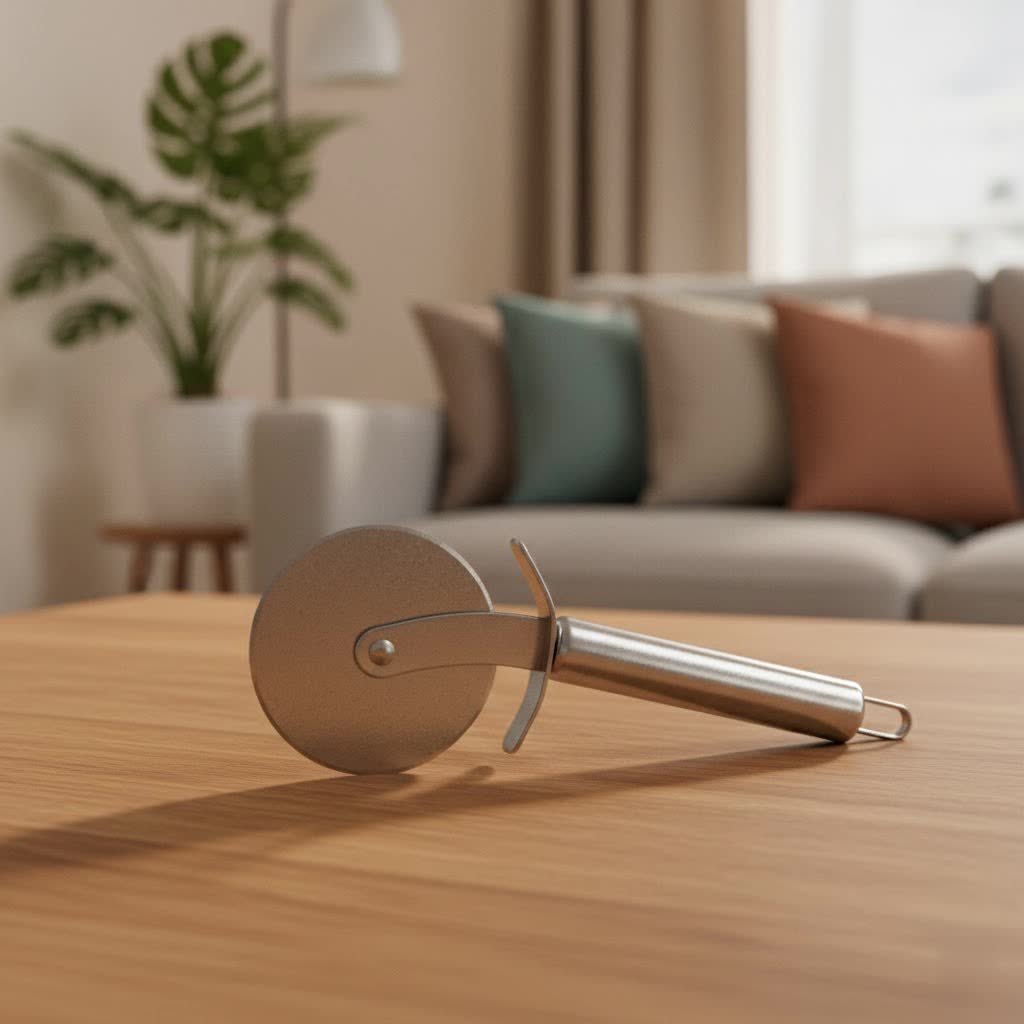
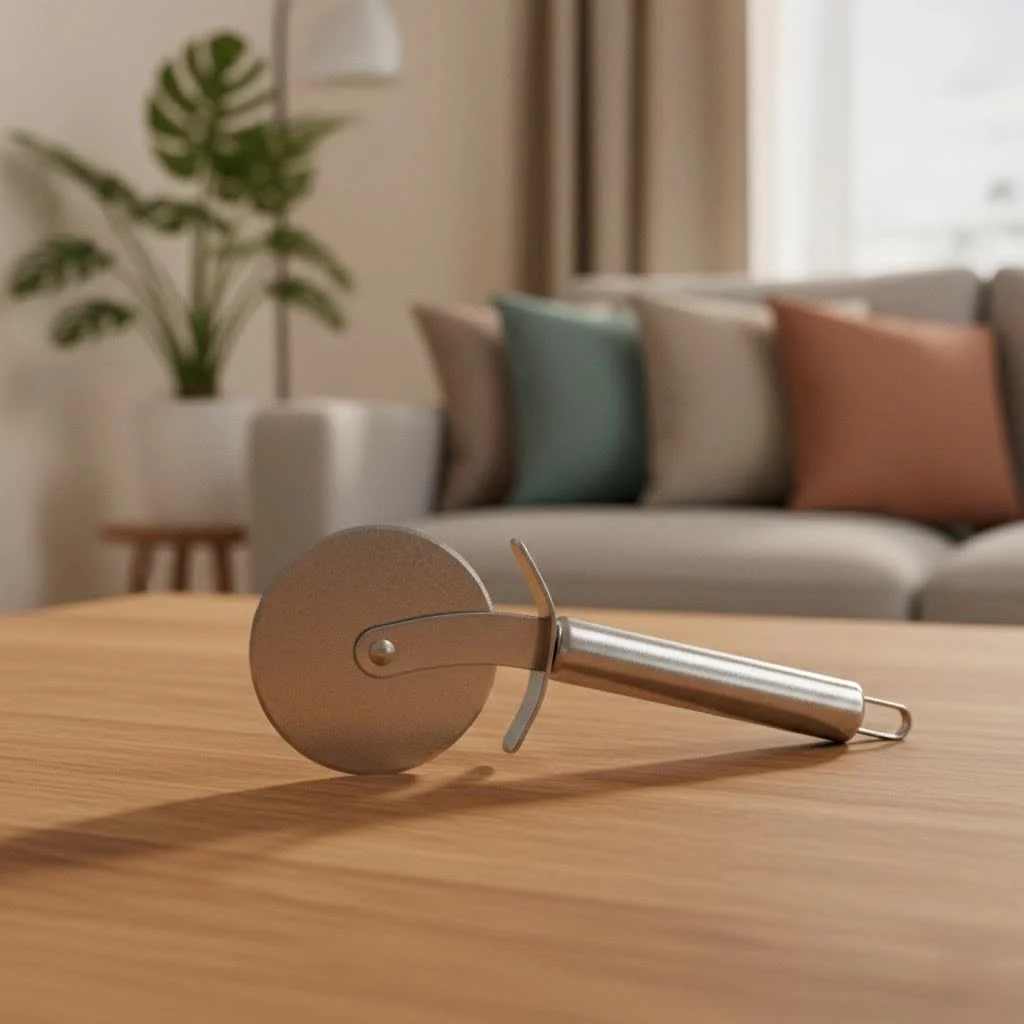
The most recognizable form, the wheel pizza cutter, features a circular blade that rolls across the pizza.
- Pros: Wheel cutters are generally easy to use and can quickly slice through pizzas. Their design allows for swift, continuous cuts, making them a popular choice for home cooks. Many models are also quite versatile, capable of cutting pastry dough, tortillas, or even brownies.
- Cons: A common issue with wheel cutters is their tendency to push or drag toppings, especially on heavily loaded pizzas, potentially creating uneven slices. Cleaning can also be tricky if the blade isn’t easily detachable. Using them on hard surfaces like metal pans or pizza stones can dull the blade rapidly.
- Key Features: Look for a wheel size of at least 4 inches for effective cutting through various crust thicknesses. An ergonomic, non-slip handle and a thumb guard are crucial for comfort, control, and safety, allowing you to apply ample downward pressure without fear of slipping.
2. Rocker Pizza Cutters
Resembling a large, curved blade with handles on either end, the rocker pizza cutter works by pressing down and rocking through the pizza in one swift motion.
- Pros: Rocker cutters excel at delivering clean, precise cuts without disturbing toppings, keeping your pizza presentation pristine. Their straightforward, single-blade design makes them exceptionally easy to clean. They are particularly ideal for larger pizzas or for those who prefer to cut their pizza in a single pass.
- Cons: Using a rocker requires a bit more downward force compared to a wheel cutter. Their considerable length (often 12-16 inches) can also make them challenging to store in standard kitchen drawers.
- Key Features: Blade length is key, typically ranging from 12 to 16 inches for maximum efficiency. Handles should be sturdy and comfortable, allowing for a firm, two-handed grip. Many high-quality rocker cutters are constructed from a single piece of metal for superior durability and hygiene.
3. Pizza Scissors
|
Our Picks for the Best Pizza Cutter in 2026
As an Amazon Associate I earn from qualifying purchases.
|
||
| Num | Product | Action |
|---|---|---|
| 1 | Deiss Lux Heavy Duty Pizza Cutter With Wheel Slicer- Stainless Steel Sharp Smooth Pizza Cutter Wheel With Easy Grip Non-Slip Handle, Dishwasher Safe (BLACK) |

|
| 2 | GORILLA GRIP BPA-Free Large Pizza Cutter Wheel, 9 Inch, Sharp Stainless Steel Blade, Slip Resistant Handle with Thumb Guard Protection, Slice Thick or Thin Pizzas, Pie, Pastries in Seconds, Black |
|
| 3 | OXO Good Grips Pizza Wheel and Cutter for Non-Stick Pans |
|
| 4 | KitchenAid Classic Pizza Wheel with Sharp Blade For Cutting Through Crusts, Pies and More, Built In Finger Guard for Safety and Comfort Grip to Protect Fingers, Dishwasher Safe, 9-Inch, Red |
|
| 5 | OXO Good Grips 3.5" Pizza Wheel and Cutter |
|
| 6 | OXO Steel 4" Pizza Wheel |
|
| 7 | KitchenAid Classic Pizza Wheel with Sharp Blade For Cutting Through Crusts, Pies and More, Built In Finger Guard for Safety and Comfort Grip to Protect Fingers, Dishwasher Safe, 9-Inch, Black |
|
| 8 | KitchenStar Pizza Cutter Wheel - 304 Stainless Steel Slicer Knife with Super Sharp Blade, Anti-Wobble Axle Mechanism, Ergonomic Non-Slip Handle & Protective Cover, Dishwasher Safe |
|
| 9 | KitchenAid Classic Pizza Wheel with Sharp Blade For Cutting Through Crusts, Pies and More, Built In Finger Guard for Safety and Comfort Grip to Protect Fingers, Dishwasher Safe, 9-Inch, Aqua Sky |
|
| 10 | Kitchy Pizza Cutter Wheel with Protective Blade Cover, Ergonomic Pizza Slicer (Green) |
|
While less common, pizza scissors offer a unique and often safer approach to slicing.
- Pros: Pizza scissors are safe to use on delicate surfaces like non-stick pans or pizza stones, as they eliminate the risk of scratching. They are particularly easy for children to operate safely and are excellent for thin-crust pizzas or those with minimal toppings. They can also be handy for trimming thin breads or tortillas.
- Cons: They are generally not ideal for thick-crust or heavily topped pizzas, as the pizza needs to be slightly lifted during cutting, which can become awkward and messy. They also tend to feel less “professional” for traditional pizza cutting tasks.
- Key Features: A non-stick “shoe” on the bottom blade is designed to slide smoothly under the pizza without damaging the surface below. A safety clip is important for secure storage.
The Foundation for Perfect Slices: Pizza Boards
A pizza cutter is only as good as the surface it cuts on. A dedicated pizza board is not just a serving platter; it’s a critical component for a seamless and satisfying pizza experience.
Why a Dedicated Pizza Board?
Using a proper pizza board is crucial for several reasons:
- Protects Your Cutter Blade: Cutting directly on hard surfaces like metal pans, granite countertops, or pizza stones is the quickest way to dull your cutter’s blade. A softer cutting surface helps maintain the blade’s sharpness over time.
- Provides a Stable Cutting Surface: A sturdy board ensures your pizza remains still while cutting, allowing for cleaner, more consistent slices. This prevents the pizza from shifting and keeps toppings in place.
- Prevents Damage to Other Surfaces: Safeguard your expensive countertops, tables, and delicate pizza stones from unsightly scratches and gouges.
- Facilitates Serving: Beyond cutting, a good pizza board makes it easy to transfer and serve your pizza stylishly.
Types of Pizza Board Materials
Pizza boards come in various materials, each with its own set of characteristics:
- Wood: Often considered the classic choice, wooden pizza boards are gentler on knife blades, helping to preserve their sharpness. They offer a warm, rustic aesthetic, making them perfect for serving directly to the table. However, wood can be prone to gouging and typically requires hand washing to maintain its integrity and prevent warping. Common woods include bamboo, acacia, and rubberwood.
- Plastic: Plastic cutting boards are generally more durable against deep cuts and are often dishwasher-safe, offering convenience in cleaning. They are a harder surface than wood, which means while they can take more pressure, they might not be as kind to your cutter’s edge over the long term.
- Wood Fiber: These boards, often made from compressed wood fibers, offer a good balance. They are durable, knife-friendly, and often dishwasher-safe while still providing a natural look.
Specialized Boards
Some pizza boards are designed with features that enhance the cutting process. For instance, certain boards come with pre-cut grooves that perfectly cradle a rocker cutter blade, guiding it to create consistently sized, identical slices. This feature takes the guesswork out of portioning and is a favorite among those who value precision.
Versatility Beyond Pizza
Many pizza boards are versatile tools in the kitchen. The flat side of a grooved board can be used for general chopping and meal prep. Their appealing designs also make them excellent serving platters for appetizers, bread, or even charcuterie.
Choosing Your Perfect Pair: What to Consider
Selecting the ideal pizza board and cutter involves weighing several factors to match your specific needs and preferences.
- Cutter Blade Material: For longevity and performance, stainless steel blades are a durable and versatile choice. Carbon steel blades are known for holding a sharper edge for longer, but may require more care to prevent rust. Ceramic blades are extremely sharp but can be fragile.
- Handle Comfort and Safety: An ergonomic design with a non-slip grip is paramount for comfort and control, especially when applying pressure to cut through thick crusts. Features like finger guards provide an extra layer of safety.
- Ease of Cleaning and Storage: Consider whether you prefer dishwasher-safe tools for convenience or if you’re willing to hand wash for specialized materials. For cutters, look for designs with removable blades or those that disassemble easily for thorough cleaning. Blade guards are crucial for safe storage, preventing accidental cuts and protecting the blade’s edge.
- Durability and Sharpening: A high-quality cutter should maintain its sharpness over time. Knowing if your cutter can be sharpened (and how) is beneficial for long-term use. Rocker blades are often easier to sharpen using a honing steel, similar to a chef’s knife.
- Board-Cutter Compatibility: If you’re opting for a rocker-style cutter, a cutting board with guiding grooves can be a major upgrade for perfect slices. Some brands offer pizza cutter and board sets designed to work in harmony, simplifying your decision.
- Price and Value: While budget is always a consideration, investing in a high-quality pizza board and cutter can save you frustration and provide a better experience in the long run. Balance the initial cost with the anticipated durability and performance.
Top Picks: Recommended Pizza Boards and Cutters
While specific brand recommendations can vary based on current market offerings, certain types consistently receive high praise. For wheel cutters, models known for their comfortable, non-slip handles and sharp, durable stainless steel blades are frequently favored. These often feature an integrated thumb guard for safe, added pressure.
When it comes to rocker cutters, those made from a single piece of stainless steel are highly regarded for their robustness and ease of cleaning. Pair these with a wooden pizza board featuring integrated grooves to guide the rocker blade, ensuring perfectly uniform slices every time. Many of these boards are also reversible, offering a flat side for general cutting or serving as an attractive charcuterie board.
For those prioritizing safety or gentle cutting on delicate pans, specialized pizza scissors with a non-stick base offer a unique and effective solution, particularly for thinner pizzas.
Tips for Optimal Use and Care
Maximizing the lifespan and performance of your pizza board and cutter involves proper usage and diligent care.
- Using Your Cutter Correctly: For wheel cutters, apply firm, even pressure and roll through the pizza. With rocker cutters, use a strong, downward rocking motion from one side to the other. For scissors, slide the bottom blade under the crust and snip.
- Always Use a Board: Never cut your pizza directly on a hot pizza stone, metal pan, or delicate countertop. Always transfer the pizza to a dedicated pizza cutting board to protect both your cutter’s blade and your surfaces.
- Prompt Cleaning: Clean your cutter and board immediately after use, especially before cheese or sauce dries. This makes cleaning significantly easier.
- Dishwasher vs. Hand Wash: While many stainless steel cutters and some plastic boards are dishwasher-safe, check manufacturer instructions. Wooden boards should almost always be hand-washed with mild soap and warm water, then dried thoroughly to prevent warping or cracking.
- Safe Storage: Always store your pizza cutter with a blade guard if it has one. This protects the sharp edge and prevents accidental injury when reaching into drawers. Rocker cutters, due to their size, often benefit from a dedicated hanging spot or a blade cover.
- Regular Maintenance: Even the best blades will dull over time. Learning how to sharpen your specific type of pizza cutter (using a honing steel for rockers or a specialized sharpener for wheels) will ensure consistent performance and extend its life.
“A well-chosen pizza board and cutter aren’t just tools; they’re an investment in countless enjoyable pizza experiences, turning a good meal into a great one with every perfectly sliced piece.”
Conclusion
The world of pizza boards and cutters offers a range of options designed to make your pizza experience as smooth and enjoyable as possible. Whether you’re a fan of the classic wheel, the precise rocker, or the innovative scissors, pairing your cutter with the right board is key to achieving perfectly portioned, inviting slices every time. By considering blade material, handle comfort, ease of cleaning, and overall compatibility, you can choose the ideal tools that will serve you faithfully for years of delicious pizza nights.
So, are you ready to improve your pizza game and cut like a seasoned pizzaiolo?
Frequently Asked Questions
What is the best type of pizza cutter for thick crust?
For thick-crust pizzas, a rocker-style pizza cutter is often the best choice. Its long, sharp blade allows you to apply strong, even pressure to cut through dense crusts and abundant toppings in one or two swift motions, ensuring clean slices without dragging ingredients.
Should I use a pizza cutter on a pizza stone?
No, it is generally recommended not to use a pizza cutter directly on a pizza stone. The sharp blade can damage the stone, leading to scratches or cracks, and the hard surface of the stone can quickly dull your cutter’s blade. Always transfer your pizza to a dedicated cutting board before slicing.
How do you keep a pizza cutter sharp?
To keep a pizza cutter sharp, avoid cutting on hard surfaces like metal pans or ceramic stones. Always use a dedicated pizza cutting board. For rocker cutters, you can sharpen them with a honing steel or a knife sharpener. For wheel cutters, specific wheel sharpeners or careful use with a pass-through knife sharpener can maintain the edge, though replacement is often a viable option due to their lower cost.
What is a pizza board made of?
Pizza boards are commonly made from wood (such as bamboo, acacia, or rubberwood), plastic, or wood fiber composites. Wooden boards are gentle on blades and aesthetically pleasing for serving, while plastic and wood fiber options often offer greater durability and ease of cleaning.
Can a pizza cutter be used for other foods?
Absolutely! Pizza cutters are surprisingly versatile kitchen tools. They can be used to slice pastry dough, tortillas, quesadillas, pancakes, brownies, or bar cookies. They are also great for quickly chopping herbs or cutting soft foods into bite-sized pieces for children.
Get our weekly buyer guide
Practical specs, not advice. Unsubscribe anytime.

This guide really helped me understand why my old cutter was so bad. I always just grabbed whatever was cheapest. I ended up getting a new wheel cutter with a good ergonomic handle, and it’s so much more comfortable to use. My only minor complaint is that sometimes cheese still sticks a little, but it’s way better than before.
My old pizza cutter was always wobbly and felt unsafe. I learned a lot about blade stability from this guide and decided to invest in a higher-quality model. The difference is night and day! It feels so much more secure and cuts through toppings and crusts effortlessly. No more frustrating moments trying to get a clean slice.
I was hoping to find a really budget-friendly option that still performed well, but the ones in the lower price range seem to have some issues. I tried one of the basic wheel cutters mentioned, and while it’s okay for thin crust, it really struggles with anything thicker. It’s fine for occasional use, but I might need to upgrade if I’m making pizza more often.
I used to struggle so much with getting clean slices, especially with thicker crusts. After reading about the different types, I decided to try a rocker-style cutter, and it’s been a game-changer! It makes quick work of even deep-dish pizzas without dragging cheese everywhere. Definitely worth the investment for anyone serious about their pizza nights.