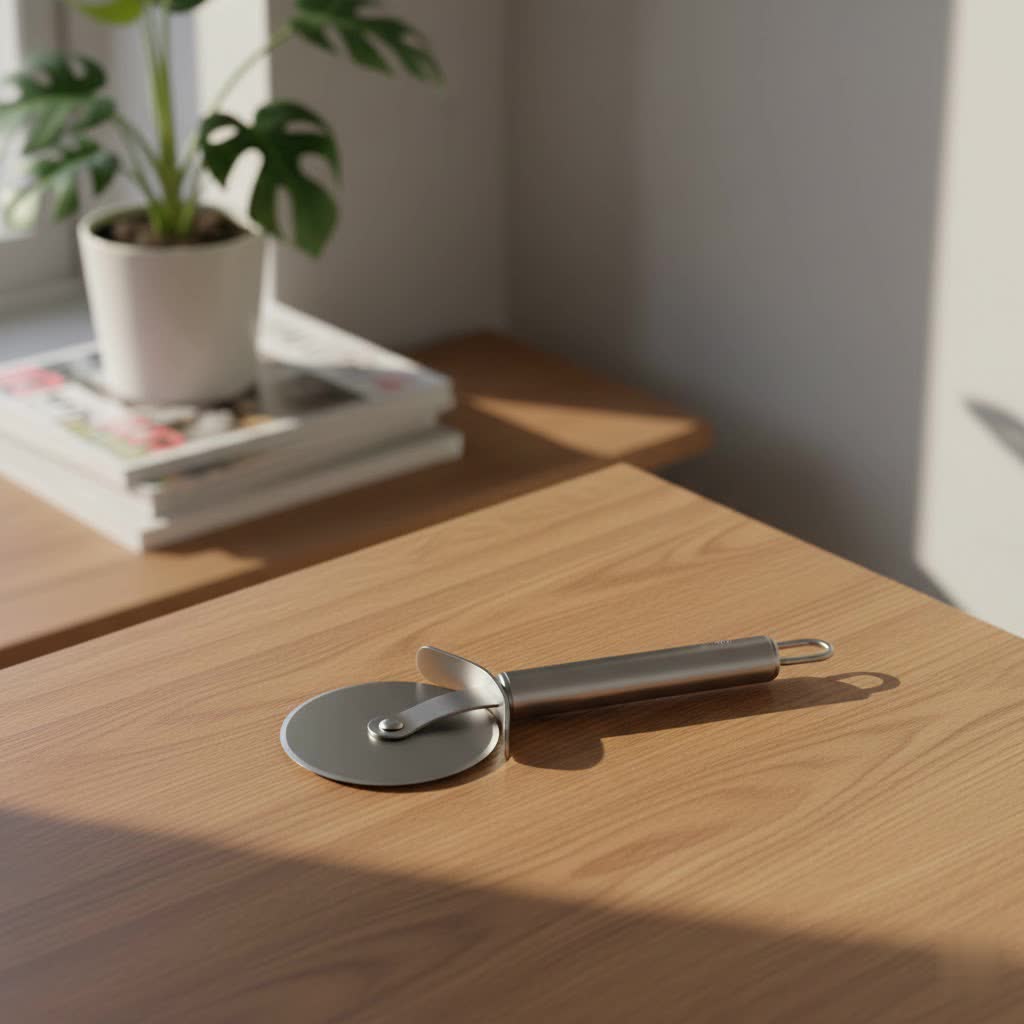
Pizza night is a cherished tradition for many, but the joy of a perfectly baked pie can quickly turn into frustration if you’re struggling with an inadequate cutter. For over a century, KitchenAid has been synonymous with quality kitchen tools, and their pizza cutters are no exception. Designed with both performance and durability in mind, a KitchenAid pizza cutter promises to transform your slicing experience, ensuring clean, effortless cuts every time. This comprehensive guide will explore why a KitchenAid pizza cutter is a smart addition to your kitchen arsenal, detailing its features, benefits, and how to choose and care for the ideal model for your culinary adventures.
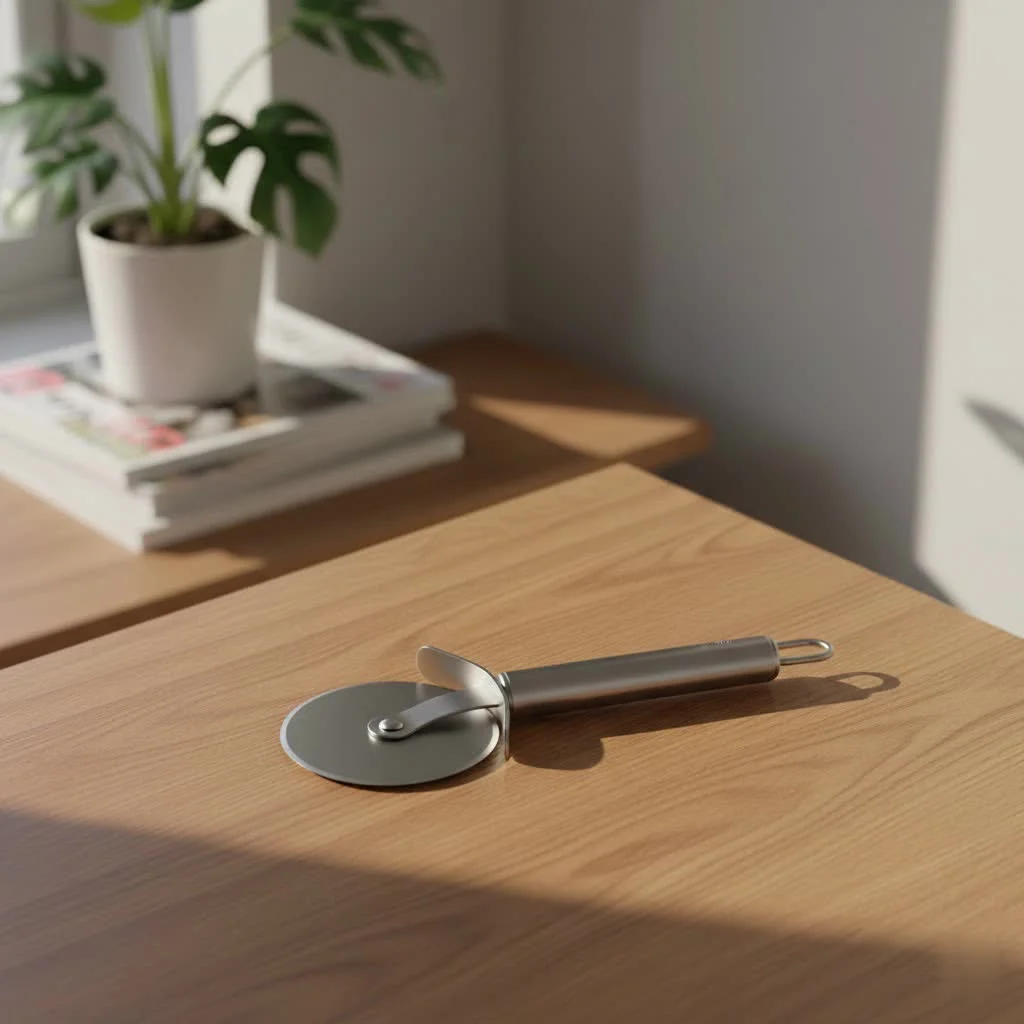
Choosing the Perfect Pizza Cutter: A Comprehensive Overview
When it comes to dividing your delicious pizza into perfect slices, not all tools are created equal. Understanding the different types available can help you appreciate why KitchenAid’s offerings stand out. For shop curated pizza cutter on this site.
Common Pizza Cutter Types
- Wheel Pizza Cutter: This is the most prevalent type, featuring a circular blade that rolls across the pizza.
- Advantages: Wheel cutters are incredibly easy to use, allowing for quick slicing across large pizzas. They are versatile, capable of cutting through various crust thicknesses, and often include safety guards for protection. KitchenAid primarily excels in this category, offering robust and user-friendly wheel cutters that glide through crusts with minimal effort, making them a favorite for home cooks.
- Disadvantages: Cheaper models can sometimes tear toppings or require multiple passes, and some designs can be tricky to clean thoroughly around the axle. However, KitchenAid models address many of these issues with superior blade sharpness and often dishwasher-safe designs.
- Rocker Pizza Cutter: Also known as a mezzaluna, this semi-circular blade requires a rocking motion to cut.
- Advantages: Rocker cutters are excellent for achieving precise, straight cuts and are particularly effective at keeping toppings perfectly in place. Their open design often makes them very easy to clean.
- Disadvantages: They typically require more counter space and a firm, two-handed grip. They might not be ideal for very thick-crusted pizzas, which can sometimes be challenging to cut with a single rock. KitchenAid focuses less on this style, emphasizing the convenience and broad appeal of their wheel designs.
- Scissor Pizza Cutter: These specialized scissors often feature a spatula-like base for lifting and cutting simultaneously.
- Advantages: Scissor cutters offer great control and can be very safe to use, especially for serving individual slices directly from the pan. They are also excellent for children or those who prefer a less forceful cutting method.
- Disadvantages: They are generally less efficient for cutting an entire pizza quickly, struggle with very thick or crispy crusts, and may not achieve the uniform slices that wheel or rocker cutters provide. They are more of a niche tool rather than a professional-grade solution.
Why Choose a KitchenAid Pizza Cutter?
KitchenAid’s reputation for crafting durable, high-performance kitchen essentials extends seamlessly to its line of pizza cutters. These tools aren’t just about slicing; they’re about enhancing your entire pizza experience.
Uncompromised Quality and Durability
|
Our Picks for the Best Pizza Cutter in 2026
As an Amazon Associate I earn from qualifying purchases.
|
||
| Num | Product | Action |
|---|---|---|
| 1 | KitchenStar Pizza Cutter Wheel - 304 Stainless Steel Slicer Knife with Super Sharp Blade, Anti-Wobble Axle Mechanism, Ergonomic Non-Slip Handle & Protective Cover, Dishwasher Safe |

|
| 2 | KitchenAid Classic Pizza Wheel with Sharp Blade For Cutting Through Crusts, Pies and More, Built In Finger Guard for Safety and Comfort Grip to Protect Fingers, Dishwasher Safe, 9-Inch, Aqua Sky |
|
| 3 | KitchenAid Classic Pizza Wheel with Sharp Blade For Cutting Through Crusts, Pies and More, Built In Finger Guard for Safety and Comfort Grip to Protect Fingers, Dishwasher Safe, 9-Inch, Red |
|
| 4 | GORILLA GRIP BPA-Free Large Pizza Cutter Wheel, 9 Inch, Sharp Stainless Steel Blade, Slip Resistant Handle with Thumb Guard Protection, Slice Thick or Thin Pizzas, Pie, Pastries in Seconds, Black |
|
| 5 | KitchenAid Classic Pizza Wheel with Sharp Blade For Cutting Through Crusts, Pies and More, Built In Finger Guard for Safety and Comfort Grip to Protect Fingers, Dishwasher Safe, 9-Inch, Black |
|
| 6 | OXO Good Grips Pizza Wheel and Cutter for Non-Stick Pans |
|
| 7 | Deiss Lux Heavy Duty Pizza Cutter With Wheel Slicer- Stainless Steel Sharp Smooth Pizza Cutter Wheel With Easy Grip Non-Slip Handle, Dishwasher Safe (BLACK) |
|
| 8 | OXO Steel 4" Pizza Wheel |
|
| 9 | Kitchy Pizza Cutter Wheel with Protective Blade Cover, Ergonomic Pizza Slicer (Green) |
|
| 10 | OXO Good Grips 3.5" Pizza Wheel and Cutter |
|
KitchenAid pizza cutters are built to last. Many models feature robust stainless steel blades, a material renowned for its exceptional sharpness retention and resistance to rust and corrosion. The sturdy construction means your cutter won’t wobble or flex under pressure, providing consistent, clean cuts for years to come. This commitment to quality ensures a reliable tool that stands up to frequent use, embodying the brand’s century-long legacy of excellence.
Ergonomic Design for Comfort and Control
A key differentiator for KitchenAid pizza cutters is their thoughtful ergonomic design. Handles are crafted to fit comfortably in your hand, often featuring non-slip grips that provide optimal control even when cutting hot, cheesy pizzas. A generously sized finger guard is a standard safety feature, protecting your hands from the sharp blade and the heat of the pizza. This attention to user comfort means less strain and more confidence as you slice.
Effortless Slicing Performance
The hallmark of a great pizza cutter is its ability to slice through any crust with ease. KitchenAid pizza cutters, particularly their wheel models, are praised for their sharpness and smooth action. They effortlessly glide through thin, medium, and even moderately thick crusts in a single pass, leaving behind neat, unbroken slices. Critically, their design helps keep toppings perfectly in place, preventing that frustrating slide-off often experienced with duller blades or knives.
Easy Maintenance for a Hassle-Free Clean-Up
No one enjoys a difficult cleanup after a delicious meal. Many KitchenAid pizza cutters are designed to be dishwasher safe, simplifying your post-pizza routine. This feature ensures that even stubborn cheese and sauce are easily removed, keeping your cutter hygienic and ready for its next use without tedious hand scrubbing. For models requiring hand washing, the straightforward design typically allows for quick and efficient cleaning.
Versatility Beyond Pizza
While primarily designed for pizza, a KitchenAid pizza cutter is a surprisingly versatile kitchen gadget. Its sharp wheel and comfortable handle make it ideal for slicing:
- Pastry dough for pies and tarts
- Homemade pasta sheets
- Quesadillas and wraps
- Focaccia and other flatbreads
- Brownies or sheet cakes
- Even soft toppings like avocado or olives before they go on the pizza
This multi-functionality adds significant value, making it a truly indispensable tool in your kitchen.
KitchenAid Pizza Cutter Models: Finding Your Match
KitchenAid offers a range of pizza wheel cutters, often grouped under “Classic” or “Gourmet” lines, each sharing the brand’s core values of durability and performance while sometimes varying in aesthetic or minor features.
The KitchenAid Classic Pizza Wheel is a highly popular model, often featuring a 3.5-inch stainless steel wheel. It’s lauded for its ability to cut through most pizza types efficiently and for its sturdy feel. These cutters often come with comfortable, non-slip handles available in KitchenAid’s signature array of colors, allowing you to match your kitchen aesthetic or differentiate between different uses. The body and finger protection are frequently made from a solid piece of material, often aluminum or durable plastic, ensuring robust construction.
Key Factors When Buying Your KitchenAid Pizza Cutter
Choosing the right KitchenAid pizza cutter involves considering several practical aspects to ensure it perfectly meets your culinary needs.
Blade Material
KitchenAid predominantly uses high-quality stainless steel for its pizza cutter blades. This material is chosen for its superior edge retention, meaning it stays sharp through repeated use, and its natural resistance to rust and corrosion. When selecting, verify that the blade is clearly specified as high-grade stainless steel for optimal performance and longevity.
Handle Design and Ergonomics
The handle is crucial for both comfort and control. Look for a KitchenAid pizza cutter with an ergonomic handle that fits naturally in your hand. Many models feature a non-slip grip and a substantial finger guard to protect your hand during slicing. The balance and weight of the handle contribute significantly to the ease of use, making slicing feel effortless rather than a chore. KitchenAid often incorporates its iconic design elements, such as a matte finish or chrome details, adding a touch of style to functionality.
Durability and Lifespan
KitchenAid’s reputation is built on durability, and their pizza cutters uphold this standard. Expect a heavy and sturdy construction that prevents wobbling during use. The quality of materials and assembly ensures a long lifespan. Proper care, as outlined below, will further extend the life of your KitchenAid pizza cutter.
Ease of Cleaning
Convenience in cleaning is a major benefit. Confirm if your chosen KitchenAid pizza cutter is dishwasher safe. This feature simplifies maintenance significantly, especially after slicing through sticky cheese and sauces. For models not fully dishwasher safe, their simple design generally allows for easy hand washing.
Price and Value
KitchenAid pizza cutters typically fall into an affordable premium category, reflecting their high quality and durability. While you might find cheaper alternatives, the long-term value provided by a KitchenAid, with its reliable performance and robust build, often makes it a more cost-effective choice in the long run. Consider it an investment in hassle-free pizza nights.
Maximizing Your KitchenAid Pizza Cutter Experience
Even the best tools benefit from proper usage and care. Follow these tips to get the most out of your KitchenAid pizza cutter and ensure its longevity.
Usage Tips for the Perfect Slice
- Angle for Success: Position your pizza cutter at a slight angle to the pizza, rather than perfectly upright. This can help the blade slice more effectively through the crust and toppings.
- Firm, Steady Pressure: Apply firm, consistent pressure as you roll the cutter in a single, confident motion from one edge of the pizza to the other. Avoid sawing back and forth, as this can tear the crust and displace toppings.
- Mind Your Surface: Always cut your pizza on a stable, appropriate surface, such as a wooden or plastic cutting board. Avoid cutting directly on a pizza stone, metal pan, or delicate countertop, as this can dull the blade quickly and potentially scratch your surfaces.
- Versatile Cuts: Don’t limit yourself to traditional wedges. For square slices, start with cuts across the center, then rotate the pizza 90 degrees and repeat.
Care and Maintenance for Extended Lifespan
- Dishwasher Safety: If your KitchenAid pizza cutter is marked as dishwasher safe, take advantage of it! Place it on the top rack for thorough and convenient cleaning.
- Hand Washing Best Practices: If hand washing, use warm, soapy water and a soft sponge or brush to remove any food residue. Pay particular attention to the area around the wheel’s axle. Rinse thoroughly and dry immediately with a soft cloth to prevent water spots and maintain the blade’s integrity.
- Tackling Stubborn Residue: For particularly sticky cheese or dried sauce, a toothpick or a small brush can be effective in dislodging particles from tight spots. Avoid abrasive scrubbers or harsh chemicals that could damage the blade or handle.
- Proper Storage: Store your pizza cutter in a drawer or on a utensil rack where the blade is protected. Some models may come with a blade cover for added safety and to maintain sharpness.
“A good pizza cutter is more than just a convenience; it’s an essential tool that respects the effort put into making or choosing a great pizza. It ensures every slice looks as good as it tastes, keeping the integrity of your toppings intact.” – Chef Elena Rodriguez, Culinary Expert
Conclusion
A KitchenAid pizza cutter is a testament to the brand’s unwavering commitment to quality, durability, and ergonomic design. More than just a simple kitchen tool, it’s an investment in smoother, more enjoyable pizza nights and a versatile addition to your culinary repertoire. With its sharp stainless steel blade, comfortable grip, and easy-to-clean nature, a KitchenAid pizza cutter consistently delivers precise, effortless slices, preserving the beauty and flavor of your homemade or takeout pizzas. By choosing a KitchenAid, you’re not just buying a cutter; you’re bringing a piece of reliable kitchen heritage into your home. Ready to elevate your pizza game?
Frequently Asked Questions
Which KitchenAid pizza cutter is best for thick-crust pizza?
KitchenAid’s wheel-style pizza cutters, especially those with sharp stainless steel blades and sturdy construction, are generally effective for most crusts. While they perform excellently on medium to thin crusts, for exceptionally thick or deep-dish pizzas, you might need to apply firm, steady pressure or make a second pass to ensure a clean cut. For consistently very thick crusts, some users might find a rocker-style cutter from another brand more suited, though KitchenAid’s wheel models remain a highly reliable choice for general use.
Are KitchenAid pizza cutters dishwasher safe?
Many KitchenAid pizza cutters are indeed designed to be dishwasher safe, which greatly simplifies cleanup. Always check the product specifications or packaging for your specific model to confirm. This feature is a significant advantage, allowing for thorough sanitation and convenience after enjoying your pizza.
How do I sharpen my KitchenAid pizza cutter blade?
While you can sharpen a round pizza cutter blade at home using a whetstone or puck sharpener, it can be trickier than sharpening a standard knife. Ensure you rotate the blade consistently for even sharpening. For best results and to maintain the blade’s integrity, many prefer to have their pizza cutter professionally sharpened, or consider replacing the blade if the model allows for it.
Can I use my KitchenAid pizza cutter for other foods?
Absolutely! KitchenAid pizza cutters are surprisingly versatile. Their sharp stainless steel blades and comfortable handles make them excellent for cutting various foods beyond pizza, including pastry dough, homemade pasta, quesadillas, flatbreads like focaccia, brownies, and even soft vegetables or herbs for toppings. This versatility enhances their value in any kitchen.
Get our weekly buyer guide
Practical specs, not advice. Unsubscribe anytime.
