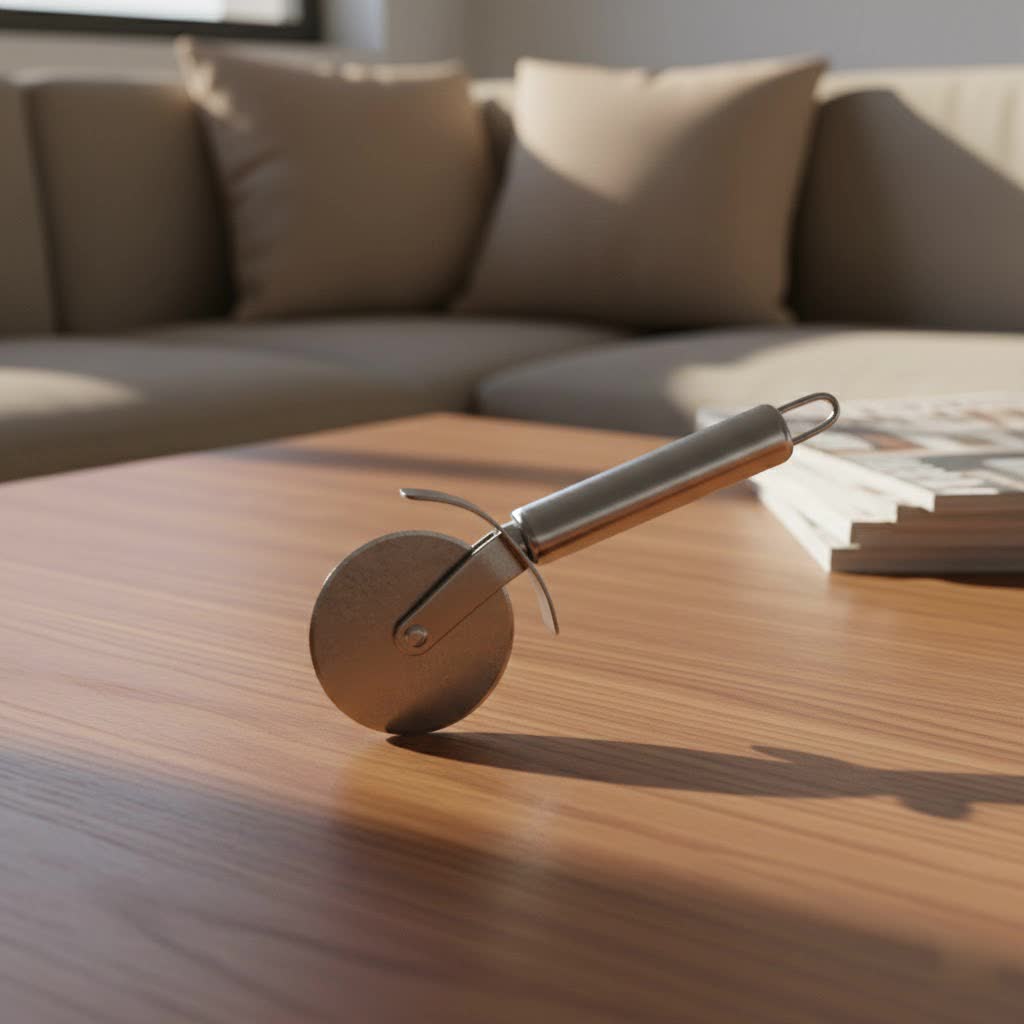
There’s nothing quite like a freshly baked pizza, its crust perfectly crispy, cheese melted, and toppings bubbling. But the joy can quickly turn to frustration when it comes to slicing. Many home chefs reach for a traditional metal pizza cutter, only to worry about scratching their cherished non-stick pans or delicate serving platters. This is where the often-overlooked plastic wheel pizza cutter rolls in, offering a unique blend of benefits for specific kitchen needs. While it may not possess the razor-sharp edge of its metallic counterparts, a quality plastic pizza wheel cutter presents a safer, more surface-friendly alternative, especially for those who frequently bake pizzas directly in non-stick bakeware.
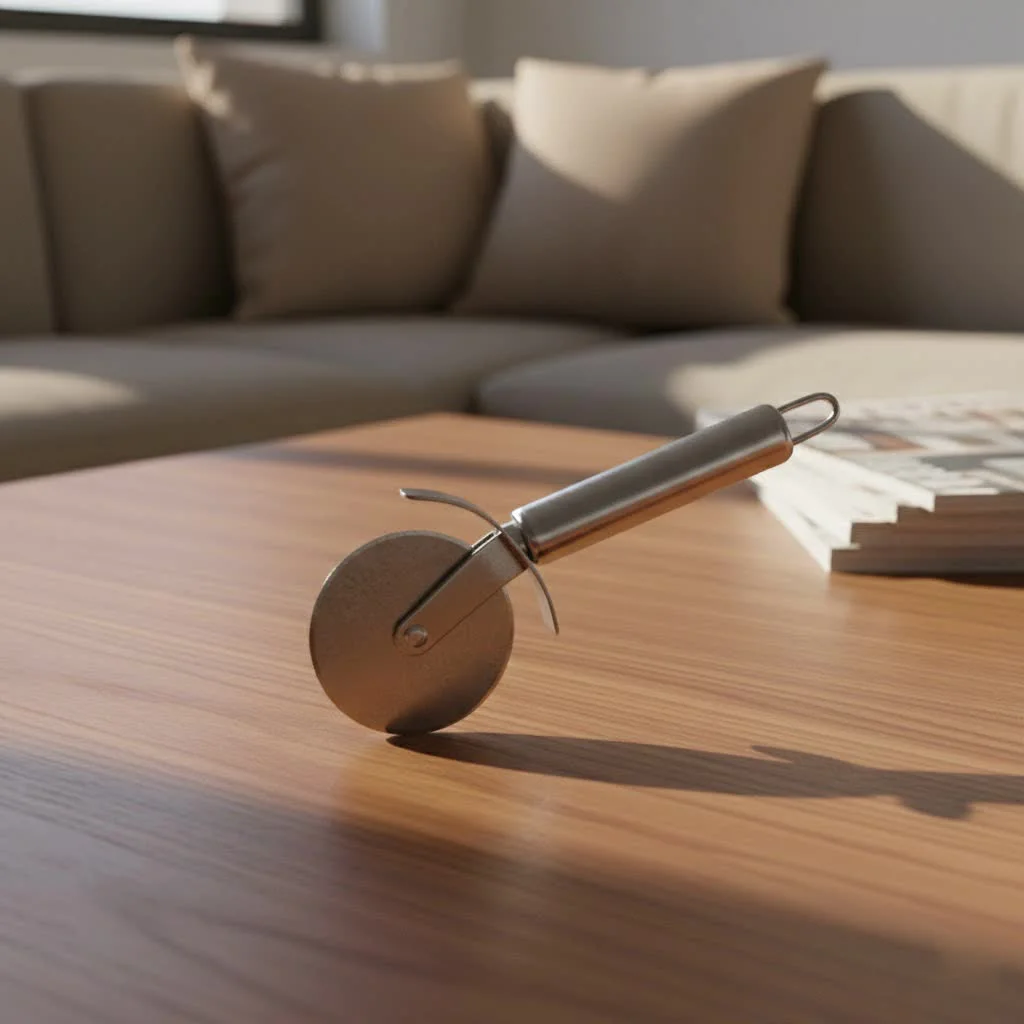
The Unexpected Benefits of the Plastic Wheel Pizza Cutter
For years, metal blades have dominated the pizza cutter market, lauded for their sharpness and durability. However, the rise of home baking and the widespread use of non-stick cookware have brought plastic wheel pizza cutters into the spotlight. These tools carved out a niche by addressing a primary concern: protecting delicate cooking surfaces. Their inherent design prioritizes surface safety, making them an excellent choice for certain tasks.
Understanding Your Plastic Pizza Wheel Cutter
A plastic pizza wheel cutter operates on the same fundamental principle as any rolling pizza cutter: a circular blade attached to a handle that slices pizza with a simple forward motion. The key differentiator, of course, is the blade material. Crafted from various types of hard plastic, these wheels are designed to be firm enough to cut through crusts yet soft enough not to damage non-stick coatings. This makes them an invaluable tool for direct cutting in pans or on serving dishes without fear of unsightly scratches or wear.
Plastic vs. Metal: A Clear-Cut Comparison
When selecting a pizza cutter, the choice often boils down to material: plastic or stainless steel. Each offers distinct advantages and disadvantages, making the “best” choice highly dependent on your specific culinary habits and priorities. Understanding these differences is crucial for making an informed decision.
Cutting Performance and Sharpness
Stainless steel pizza cutter wheels are renowned for their keen edges, capable of gliding through thick crusts and gooey toppings with minimal effort. Their sharpness is a significant advantage, particularly for heavy-duty use or cutting through dense, deep-dish pizzas. In contrast, a plastic pizza wheel cutter, while designed to cut, will inherently be less sharp. It typically requires more consistent pressure and can become less effective over time as its edge dulls. For very thick or crispy crusts, a plastic wheel might demand additional passes or more muscular effort to achieve a clean cut.
Surface Protection: A Key Differentiator
|
Our Picks for the Best Pizza Cutter in 2026
As an Amazon Associate I earn from qualifying purchases.
|
||
| Num | Product | Action |
|---|---|---|
| 1 | KitchenAid Classic Pizza Wheel with Sharp Blade For Cutting Through Crusts, Pies and More, Built In Finger Guard for Safety and Comfort Grip to Protect Fingers, Dishwasher Safe, 9-Inch, Black |

|
| 2 | Kitchy Pizza Cutter Wheel with Protective Blade Cover, Ergonomic Pizza Slicer (Green) |
|
| 3 | KitchenStar Pizza Cutter Wheel - 304 Stainless Steel Slicer Knife with Super Sharp Blade, Anti-Wobble Axle Mechanism, Ergonomic Non-Slip Handle & Protective Cover, Dishwasher Safe |
|
| 4 | OXO Good Grips Pizza Wheel and Cutter for Non-Stick Pans |
|
| 5 | OXO Good Grips 3.5" Pizza Wheel and Cutter |
|
| 6 | OXO Steel 4" Pizza Wheel |
|
| 7 | Deiss Lux Heavy Duty Pizza Cutter With Wheel Slicer- Stainless Steel Sharp Smooth Pizza Cutter Wheel With Easy Grip Non-Slip Handle, Dishwasher Safe (BLACK) |
|
| 8 | KitchenAid Classic Pizza Wheel with Sharp Blade For Cutting Through Crusts, Pies and More, Built In Finger Guard for Safety and Comfort Grip to Protect Fingers, Dishwasher Safe, 9-Inch, Red |
|
| 9 | KitchenAid Classic Pizza Wheel with Sharp Blade For Cutting Through Crusts, Pies and More, Built In Finger Guard for Safety and Comfort Grip to Protect Fingers, Dishwasher Safe, 9-Inch, Aqua Sky |
|
| 10 | GORILLA GRIP BPA-Free Large Pizza Cutter Wheel, 9 Inch, Sharp Stainless Steel Blade, Slip Resistant Handle with Thumb Guard Protection, Slice Thick or Thin Pizzas, Pie, Pastries in Seconds, Black |
|
This is where the plastic pizza wheel truly shines. Its non-abrasive nature means it can be used directly on non-stick pans, ceramic dishes, or even sensitive countertops without causing scratches. Many home cooks prioritize preserving their cookware, and a plastic cutter eliminates the anxiety associated with metal blades. A metal cutter, no matter how carefully used, always carries the risk of damaging surfaces, potentially shortening the lifespan of your non-stick cookware.
Durability and Longevity
Generally, stainless steel pizza cutters boast superior durability and a longer lifespan. They resist rust, maintain their integrity through countless uses, and often come with robust construction that withstands heavy force. Plastic blades, especially those made from lower-quality materials, can degrade more quickly. They may be more prone to chipping, dulling, or even cracking over extended use, potentially requiring more frequent replacement. However, higher-quality hard plastic versions from reputable brands offer a surprisingly sturdy build for their material type.
Cost-Effectiveness
Plastic pizza wheel cutters are almost always more affordable upfront than their stainless steel counterparts. This makes them an attractive option for budget-conscious buyers or those who only use a pizza cutter occasionally. While the initial investment is lower, the trade-off might be in longevity, as cheaper plastic models may need to be replaced more often. A quality stainless steel cutter, though more expensive initially, can be a one-time purchase that lasts for years.
Cleaning and Maintenance
Both plastic and stainless steel pizza cutters are often dishwasher-safe, making cleanup convenient. However, plastic can sometimes be more susceptible to staining from tomato sauce or cheese, especially if not rinsed promptly. Metal blades might require careful drying to prevent water spots or, in rare cases, minor rust near the pivot point if not true stainless steel. For both, ensuring the wheel mechanism is free of food debris is key for smooth operation.
Detailed Comparison Table: Plastic vs. Stainless Steel Pizza Wheels
| Feature | Plastic Wheel Pizza Cutter | Stainless Steel Wheel Pizza Cutter |
|---|---|---|
| Blade Material | Hard plastic (e.g., nylon, ABS) | High-carbon stainless steel |
| Cutting Sharpness | Moderate; requires more pressure, dulls over time | High; stays sharp, cuts through dense crusts easily |
| Durability | Good for quality models, can degrade faster | Excellent; rust-resistant, long-lasting |
| Non-Stick Pan Safety | Excellent; will not scratch non-stick surfaces | Poor; risk of scratching non-stick coatings |
| Price Range | Very affordable ($5-$15 for good quality) | Mid-range to premium ($15-$30+) |
| Effort Required | More effort needed, especially for thick crusts | Less effort, smoother glide |
| Best For | Non-stick pans, delicate surfaces, soft crusts, budget-conscious, children’s use | All-purpose cutting, thick/crispy crusts, professional use, durability |
Choosing the Right Plastic Wheel Pizza Cutter
If a plastic pizza wheel cutter aligns with your needs, particularly for protecting non-stick cookware, there are still factors to consider to ensure you pick a high-quality tool that won’t disappoint. Not all plastic cutters are created equal, and discerning shoppers can find models that offer both effectiveness and longevity.
Quality of Plastic
Avoid flimsy, very cheap plastic cutters. Look for models made from hard plastic or durable nylon that feel sturdy in hand. Brands known for quality kitchen tools, like OXO, often produce plastic wheel cutters that are well-constructed and more effective than generic alternatives. A good quality plastic will resist bending or cracking under reasonable pressure.
Handle Ergonomics
Even with a plastic blade, a comfortable and ergonomic handle is crucial. Since plastic cutters sometimes require more force to cut through tougher crusts, a non-slip, easy-to-grip handle can significantly improve your cutting experience and reduce hand fatigue. Look for handles made from rubberized materials or textured plastic.
Wheel Size
Standard wheel sizes, typically 3 to 5 inches, work well for most home pizzas. A larger wheel can cover more surface area per pass, making it efficient for big pizzas, while smaller wheels offer more precision for personal-sized pies or delicate pastry work.
Ease of Cleaning
Most good quality plastic wheel pizza cutters are designed to be dishwasher-safe. Look for models that are easy to disassemble, if applicable, to ensure thorough cleaning around the axle and handle joints, preventing food buildup.
Top Tips for Using Your Plastic Pizza Wheel Cutter
To get the best performance and extend the life of your plastic pizza wheel cutter, consider these practical tips:
- Apply Consistent Pressure: Because the plastic blade is less sharp than metal, maintaining steady, firm pressure as you roll the cutter across the pizza is key to achieving clean, even slices. Avoid hesitant or sawing motions.
- Ideal Cutting Surfaces: Embrace its primary advantage! Use your plastic cutter directly on non-stick pizza pans, baking sheets, ceramic plates, or even your cutting board without worrying about scratches.
- Keep it Clean: After each use, rinse your pizza cutter immediately to prevent cheese and sauce from drying onto the plastic, which can lead to staining or stubborn residue. While many are dishwasher-safe, a quick hand wash can sometimes be more effective for maintaining its appearance.
- Know When to Replace: Plastic blades will eventually dull beyond effective use. Unlike metal, they cannot be sharpened. When your plastic cutter struggles to slice through even soft crusts, it’s a sign it’s time for a replacement. Given their affordability, this is often a simple and economical decision.
“For home cooks who value their non-stick cookware above all else, a robust plastic wheel pizza cutter is an indispensable tool. It offers peace of mind, ensuring every slice is achieved without compromising the longevity of your pans.” – Chef Elena Rodriguez, Home Kitchenware Expert
Conclusion
Choosing the perfect pizza cutter is about aligning the tool with your specific kitchen needs. While stainless steel reigns supreme for sheer cutting power and professional durability, the plastic wheel pizza cutter has carved out an important niche. It stands as an excellent, budget-friendly option for those who prioritize the protection of their non-stick pans and delicate serving dishes. With a focus on quality construction and proper use, a plastic pizza wheel cutter can be a surprisingly effective and reliable addition to your kitchen arsenal. By understanding its strengths—namely, surface safety and affordability—and its limitations, you can ensure you’re always equipped to slice your favorite pies with confidence. So, for your next pizza night, will a plastic wheel be rolling into your kitchen?
Frequently Asked Questions
Is a plastic pizza cutter wheel effective?
Yes, a good quality plastic pizza cutter wheel is effective, especially for cutting pizzas on non-stick pans or delicate surfaces without causing scratches. However, it requires more consistent pressure and may not be as sharp or durable as stainless steel blades, often struggling with very thick or crispy crusts.
Can plastic pizza cutters scratch my non-stick pan?
No, one of the primary advantages of a plastic pizza cutter wheel is that it is designed not to scratch non-stick surfaces, ceramic dishes, or other delicate bakeware. This makes it a safe choice for preserving the integrity and longevity of your expensive cookware.
How do I clean a plastic pizza cutter wheel?
Most plastic pizza cutter wheels are dishwasher-safe for easy cleaning. For best results and to prevent staining, rinse the cutter immediately after use to remove any food residue. If handwashing, use warm soapy water and a brush to clean around the wheel and handle.
How long does a plastic pizza wheel cutter last?
The lifespan of a plastic pizza wheel cutter varies depending on its quality and frequency of use. High-quality models from reputable brands can last for a significant period. However, plastic blades will dull over time and cannot be sharpened like metal ones, meaning they will eventually need to be replaced.
Are plastic pizza cutters safe for children?
Yes, plastic pizza cutters can be a safer option for children who are learning to cook, due to their less sharp blade compared to metal cutters. Always supervise children during use, but the reduced risk of accidental cuts makes them a preferred choice for encouraging young kitchen helpers.
Get our weekly buyer guide
Practical specs, not advice. Unsubscribe anytime.
