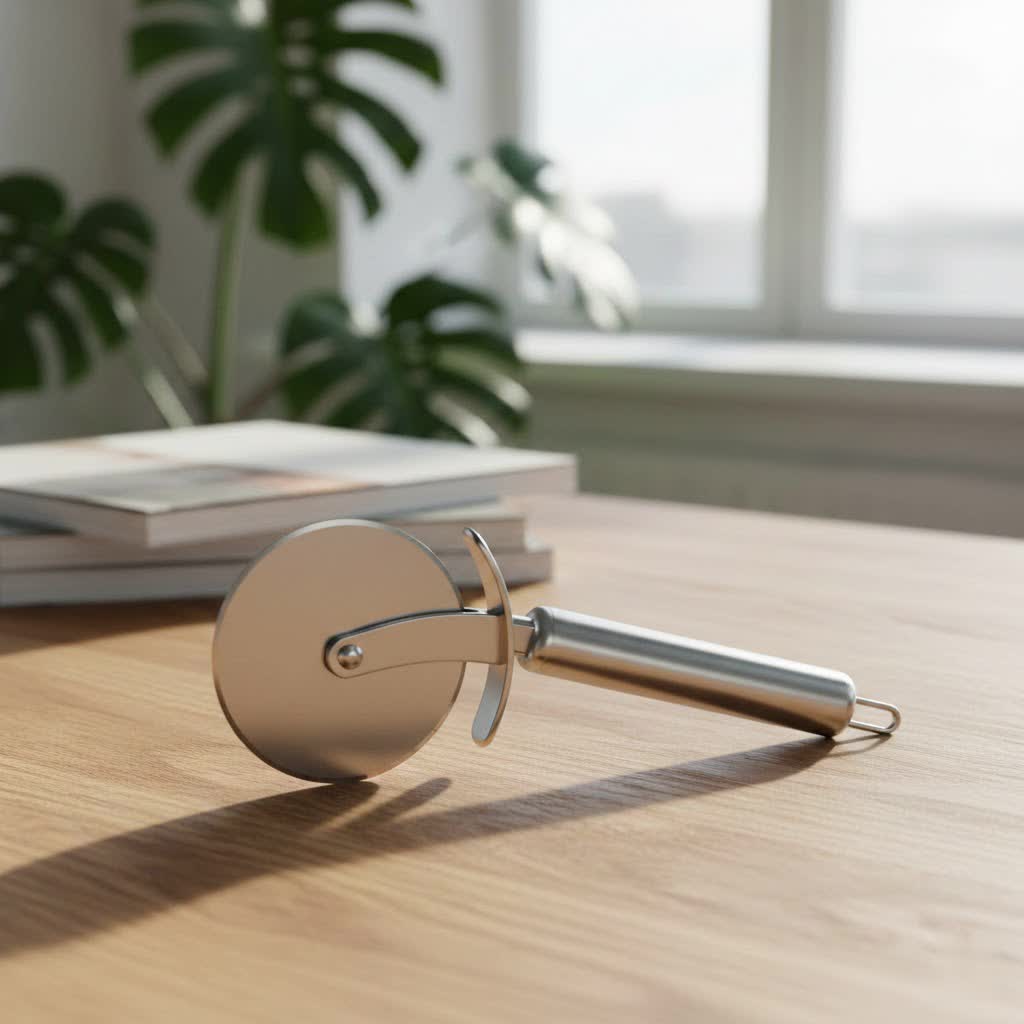
Slicing through a freshly baked pizza should feel like an art form, not a wrestling match. Yet, many home cooks find themselves grappling with dull blades and awkward handles that snag rather than glide, leading to torn crusts and scattered toppings. The right pizza cutter, especially a high-quality wheel model, can transform your experience from frustrating to flawless, delivering perfect slices every time. This comprehensive guide will navigate the world of pizza cutter wheels, helping you understand their design, features, and how to choose the perfect one for your kitchen.

Choosing the Perfect Pizza Cutter: A Comprehensive Guide
Popular Types of Pizza Cutters
While this article focuses on the ubiquitous pizza cutter wheel, it’s helpful to understand the landscape of pizza slicing tools to appreciate its unique advantages.
- Wheel Pizza Cutter (Rolling Pizza Cutter): This is the most common type, featuring a circular blade attached to a handle. It employs rotational force to shear through dough and toppings cleanly and efficiently.
- Advantages: Wheel cutters are easy to use, offer quick slicing, and are suitable for various pizza types, from thin-crust to moderately thick. Their compact design makes them easy to store.
- Disadvantages: A common issue can be “topping drag” if the blade is dull or insufficient pressure is applied, pulling cheese and ingredients rather than cutting cleanly. Some cheaper models may also be harder to clean or less durable over time, with the wheel mechanism potentially failing.
- Rocker Pizza Cutter (Mezzaluna): This style features a long, curved blade with handles on both ends. You use a rocking motion to cut the pizza.
- Advantages: Rocker cutters excel at cutting through very thick crusts and generous toppings with precision, often preserving toppings better than wheels. They are generally easy to clean due to their simple design. Many professional pizzerias favor rocker blades for their efficiency and clean cuts.
- Disadvantages: They require more counter space than wheel cutters and can be awkward to store. The two-handed operation might feel less intuitive for some users, and they require a strong, downward force.
- Scissor Pizza Cutter: Essentially a pair of heavy-duty kitchen shears, some designed specifically for pizza, often with a spatula-like bottom blade.
- Advantages: These are very easy to use, offer good control, and are often considered safer, especially for children. They prevent topping drag effectively as they lift and cut simultaneously.
- Disadvantages: Scissor cutters can struggle with very thick crusts and may not provide the clean, straight lines of a wheel or rocker. They can feel less “professional” for serious pizza enthusiasts.
Detailed Comparison of Pizza Cutter Types
|
Our Picks for the Best Pizza Cutter in 2026
As an Amazon Associate I earn from qualifying purchases.
|
||
| Num | Product | Action |
|---|---|---|
| 1 | OXO Steel 4" Pizza Wheel |

|
| 2 | GORILLA GRIP BPA-Free Large Pizza Cutter Wheel, 9 Inch, Sharp Stainless Steel Blade, Slip Resistant Handle with Thumb Guard Protection, Slice Thick or Thin Pizzas, Pie, Pastries in Seconds, Black |
|
| 3 | KitchenAid Classic Pizza Wheel with Sharp Blade For Cutting Through Crusts, Pies and More, Built In Finger Guard for Safety and Comfort Grip to Protect Fingers, Dishwasher Safe, 9-Inch, Aqua Sky |
|
| 4 | KitchenStar Pizza Cutter Wheel - 304 Stainless Steel Slicer Knife with Super Sharp Blade, Anti-Wobble Axle Mechanism, Ergonomic Non-Slip Handle & Protective Cover, Dishwasher Safe |
|
| 5 | Kitchy Pizza Cutter Wheel with Protective Blade Cover, Ergonomic Pizza Slicer (Green) |
|
| 6 | KitchenAid Classic Pizza Wheel with Sharp Blade For Cutting Through Crusts, Pies and More, Built In Finger Guard for Safety and Comfort Grip to Protect Fingers, Dishwasher Safe, 9-Inch, Black |
|
| 7 | KitchenAid Classic Pizza Wheel with Sharp Blade For Cutting Through Crusts, Pies and More, Built In Finger Guard for Safety and Comfort Grip to Protect Fingers, Dishwasher Safe, 9-Inch, Red |
|
| 8 | OXO Good Grips Pizza Wheel and Cutter for Non-Stick Pans |
|
| 9 | OXO Good Grips 3.5" Pizza Wheel and Cutter |
|
| 10 | Deiss Lux Heavy Duty Pizza Cutter With Wheel Slicer- Stainless Steel Sharp Smooth Pizza Cutter Wheel With Easy Grip Non-Slip Handle, Dishwasher Safe (BLACK) |
|
When selecting a pizza cutter, considering factors like durability, ease of use, cleaning, and price can guide your decision. Below is a comparative overview highlighting these aspects across popular types, with a focus on how the pizza wheel stacks up.
| Feature | Wheel Pizza Cutter | Rocker Pizza Cutter | Scissor Pizza Cutter |
|---|---|---|---|
| Durability | Varies greatly by material; high-carbon stainless steel offers longevity. Can suffer from wheel mechanism wear. | Highly durable, often solid stainless steel construction. Can be sharpened easily. | Generally durable, but hinges can loosen over time. |
| Ease of Use | Very easy and intuitive, single-hand operation, quick. | Requires two hands and a strong rocking motion. Efficient for large pizzas. | Extremely easy, good control, especially for serving. |
| Ease of Cleaning | Can be challenging if parts are not detachable; removable blades improve hygiene. | Generally very easy due to simple, open blade design. | Can have food trap in hinge; some models disassemble. |
| Price Range | Widest range, from budget-friendly to premium. | Mid to high range, reflecting professional-grade often. | Low to mid range. |
| Best For | Everyday home use, quick slicing of various pizzas. | Thick crusts, heavy toppings, professional environments. | Serving individual slices, delicate toppings, safety. |
| Topping Integrity | Can cause drag if not sharp or used correctly. | Excellent, minimizes topping displacement. | Very good, as it lifts and cuts. |
> “A good pizza cutter is more than just a tool; it’s an extension of your passion for pizza. It should feel balanced, cut effortlessly, and be a joy to use, slice after perfect slice.”
Factors to Consider When Buying a Pizza Cutter Wheel (Buying Guide)
Choosing the right pizza cutter wheel means looking beyond just the spinning blade. Several key elements contribute to its performance, longevity, and overall user experience.
- Blade Material: The heart of any pizza cutter wheel is its blade.
- Stainless Steel: This is the most common and recommended material for durability and sharpness. High-carbon stainless steel variants offer superior hardness and edge retention. Blade thickness between 1.5mm and 2.5mm is optimal for cutting performance, balancing strength with minimal resistance.
- Ceramic: Offers exceptional sharpness and corrosion resistance but is more brittle and prone to chipping or breaking if dropped.
- Titanium-coated: Provides enhanced durability and a non-stick surface, but the coating can wear off over time.
- Plastic: Primarily found in kid-friendly or non-stick pan safe options. While safer and gentler on delicate surfaces, they are significantly less sharp and effective for serious cutting tasks.
- Handle Design: A well-designed handle is crucial for comfort, control, and safety.
- Ergonomic: Look for handles that fit comfortably in your hand, reducing strain during use. Many feature soft-grip materials like rubber or silicone for enhanced comfort and non-slip security.
- Finger/Thumb Guards: These are important safety features that prevent your fingers from slipping onto the sharp blade during vigorous cutting.
- Full Tang Construction: If the metal of the blade extends fully into the handle, it indicates a more durable and balanced tool, contributing to its longevity.
- Offset/Hover Handles: Some designs place the handle above the blade, offering better leverage and a clearer view of the cutting line, which can be more comfortable for wrists.
- Durability and Longevity: A quality pizza cutter wheel should withstand regular use without deteriorating.
- Rust Resistance: Stainless steel blades should be rust-resistant. Proper drying after washing helps.
- Sturdy Construction: The connection between the blade and the handle should be robust. Flimsy designs where the wheel wobbles or detaches easily are prone to premature failure.
- Ball-Bearing Mechanism: Some high-end models incorporate ball bearings for smoother blade rotation, reducing friction and prolonging the life of the mechanism. Sealed bearings are particularly advantageous for preventing food debris from interfering with rotation.
- Ease of Cleaning: Pizza cutters can accumulate cheese and sauce, making cleaning a factor.
- Detachable Blades: Many modern pizza cutter wheels feature blades that can be easily removed, allowing for thorough cleaning and preventing grime buildup in crevices.
- Dishwasher Safety: While some models are labeled “dishwasher safe,” hand-washing is often recommended for preserving the blade’s sharpness and the handle’s material over time. Always check manufacturer instructions.
- Price: Pizza cutter wheels are available across a wide price spectrum.
- Budget-friendly ($10-$20): You can find decent, functional models for casual home use. They might compromise slightly on material quality or ergonomic features.
- Mid-range ($20-$40): This segment offers a good balance of durability, sharpness, and ergonomic design, often featuring better materials and construction.
- Premium ($40+): These are typically professional-grade tools with superior materials, advanced mechanisms (like sealed ball bearings), and highly ergonomic designs built for heavy, long-term use. Investing in a mid-to-premium range often provides better long-term value.
Top Picks: Evaluating the Best Pizza Cutter Wheels
Based on expert reviews and user feedback, several pizza cutter wheels consistently stand out for their performance and reliability.
- OXO Good Grips 4-Inch Pizza Wheel: Frequently lauded as a top performer, this model boasts a comfortable, non-slip ergonomic handle and a sharp, sturdy stainless steel blade. It’s known for slicing cleanly through various crusts in a single pass. It’s often praised for its balanced feel and ease of cleaning, often being dishwasher safe. This wheel is an excellent choice for most home cooks.
- Ooni Pizza Cutter Wheel: Ideal for those who own Ooni pizza ovens or seek a professional-grade tool. It’s lightweight, sturdy, and features a comfortable nylon handle with a molded finger guard. Its sharp, large cutting wheel covers significant surface area, slicing without crushing or dragging toppings.
- KitchenAid Gourmet Pizza Wheel: This option offers an ergonomic, non-slip handle with good knuckle protection. While generally effective for medium to thin crusts, some users note it might struggle with exceptionally thick crusts if the blade isn’t optimally sharp. It’s often appreciated for its sturdy construction and aesthetic appeal.
- Joseph Joseph Disc Easy-Clean Pizza Wheel: A compact and innovative design where the blade is largely enclosed, offering enhanced safety and easy cleaning. It’s particularly lauded for its ability to disassemble easily for thorough washing, making it a hygienic choice for families.
These top picks cater to different needs, from casual home use to more frequent and demanding slicing, ensuring there’s a high-performing pizza cutter wheel for every enthusiast.
Tips for Using and Maintaining Your Pizza Cutter Wheel
Even the best pizza cutter wheel requires proper technique and care to deliver consistent results and last for years.
- Correct Usage for Best Results:
- Apply Firm, Even Pressure: Don’t just roll; press down firmly and evenly as you push the wheel across the pizza. This ensures the blade cuts through the crust and toppings without tearing.
- One Smooth Motion: Whenever possible, aim for a single, continuous slice from the edge to the center. Repeated back-and-forth motions can cause topping drag and messy cuts.
- Use a Suitable Cutting Surface: Always cut on a pizza stone, wooden peel, or a cutting board. Avoid cutting directly on metal or glass pans, as this can dull your blade quickly.
- Angle Matters: For stubborn crusts, a slight angling of the wheel can sometimes help achieve a cleaner cut.
- Maintenance for Longevity:
- Immediate Cleaning: Wash your pizza cutter wheel immediately after use. Dried cheese and sauce are much harder to remove.
- Disassemble if Possible: If your cutter has a removable blade, take it apart for a more thorough cleaning, especially around the axle where food can accumulate.
- Hand-Wash for Best Care: While many are dishwasher safe, hand-washing with warm, soapy water and a soft brush or sponge helps preserve the blade’s sharpness and prevents material degradation that can occur with high dishwasher temperatures.
- Dry Thoroughly: Ensure all parts are completely dry before reassembling or storing to prevent rust, especially on stainless steel blades.
- Proper Storage: Store your pizza cutter safely in a drawer with a blade cover or on a utensil rack to protect the blade and prevent accidental cuts when reaching for other tools.
- Sharpening (If Applicable): While challenging for circular blades, some high-quality models can be sharpened professionally or with specialized tools if they become dull over time.
Conclusion
The pizza cutter wheel remains an indispensable tool for any pizza lover, offering speed, efficiency, and ease of use that other cutting methods often can’t match. By understanding the critical factors like blade material, ergonomic handle design, and ease of cleaning, you can confidently select a model that suits your needs and elevates your pizza nights. Remember, a well-chosen pizza cutter wheel, paired with proper usage and maintenance, is an investment that will provide countless perfectly sliced pies for years to come.
What’s your secret to achieving the perfect pizza slice at home?
Frequently Asked Questions
Which pizza cutter wheel is best for thick-crust pizza?
For thick-crust pizzas, a pizza cutter wheel with a large, sturdy, and very sharp stainless steel blade (ideally 2.0mm-2.5mm thick) and a robust, ergonomic handle that allows for good downward pressure is essential. The OXO Good Grips 4-Inch Pizza Wheel or the Ooni Pizza Cutter Wheel are often recommended for their ability to cut through substantial crusts cleanly.
How do you clean a pizza cutter wheel thoroughly?
To clean a pizza cutter wheel thoroughly, disassemble it if the blade is removable. Wash all parts immediately after use with warm, soapy water, using a small brush or sponge to remove any stuck-on cheese or sauce, especially around the axle. Rinse well and dry completely before reassembling and storing to prevent rust and bacterial growth. While some are dishwasher safe, hand-washing is often preferred to maintain blade sharpness.
Can I sharpen my pizza cutter wheel?
Sharpening a pizza cutter wheel can be more challenging than sharpening a straight blade due to its circular design. Some high-quality stainless steel wheels can be sharpened using specialized rotary blade sharpeners or by a professional knife sharpener. However, many standard home-use models are not designed for easy sharpening, and it may be more practical to replace the blade or the entire cutter when it becomes dull.
Are plastic pizza cutter wheels effective?
Plastic pizza cutter wheels are typically less effective than their metal counterparts for serious pizza cutting tasks. They are primarily designed for safety, especially for children, or for use on non-stick pizza pans to prevent scratching. While they can cut through thin crusts, they often struggle with thicker pizzas and toppings, leading to tearing rather than clean slices.
Get our weekly buyer guide
Practical specs, not advice. Unsubscribe anytime.
