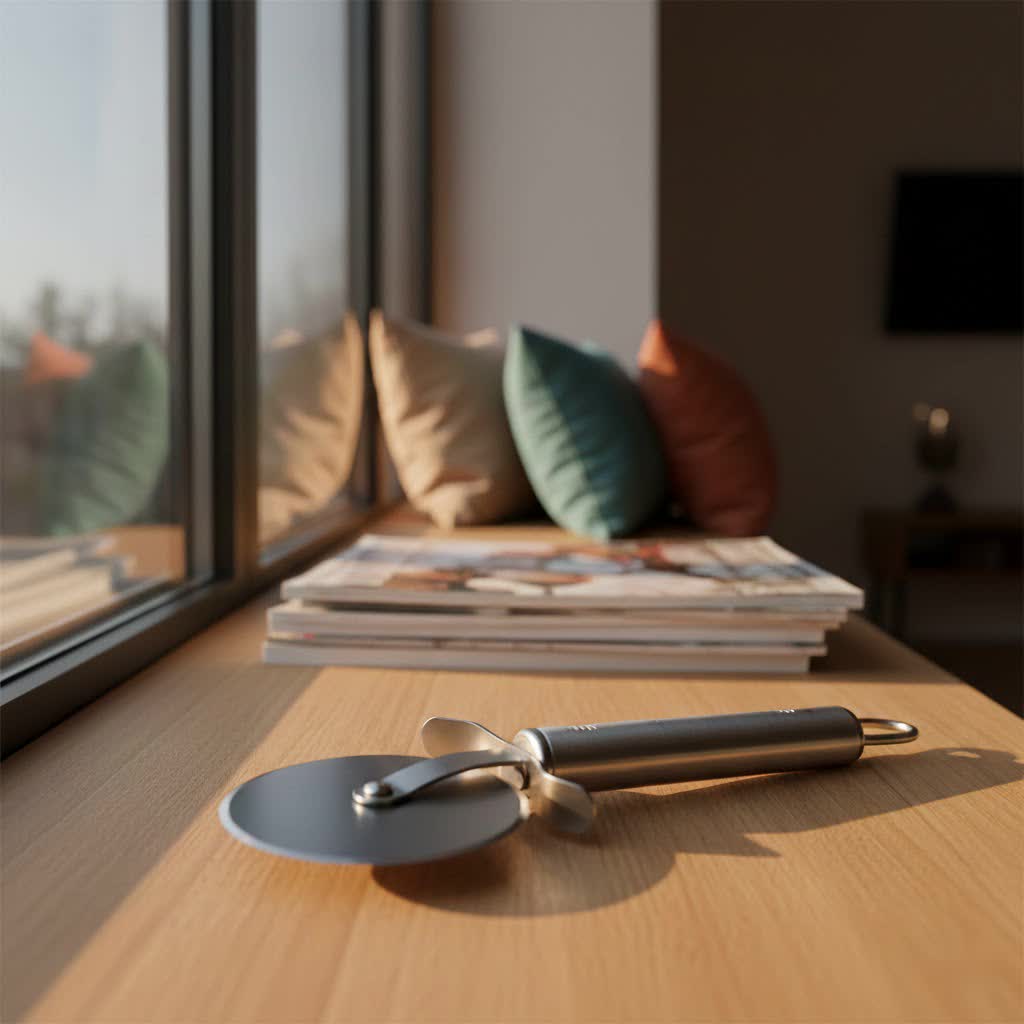
There’s nothing quite like the joy of a perfectly baked pizza, fresh from the oven, bubbling with cheese and toppings. But that joy can quickly turn to frustration when you grab your pizza cutter, only for it to drag through the crust, tearing ingredients and making a messy experience. As a technician with over a decade of experience reviewing hundreds of pizza cutters, I’ve seen firsthand how a dull blade can ruin an otherwise perfect slice. The good news? You don’t always need a new cutter. With the right techniques and a few simple tools, you can bring that beloved kitchen gadget back to life, ensuring every cut is clean, effortless, and satisfyingLet’s dive into the fascinating world of pizza cutter sharpening!
Why a Sharp Pizza Cutter Matters
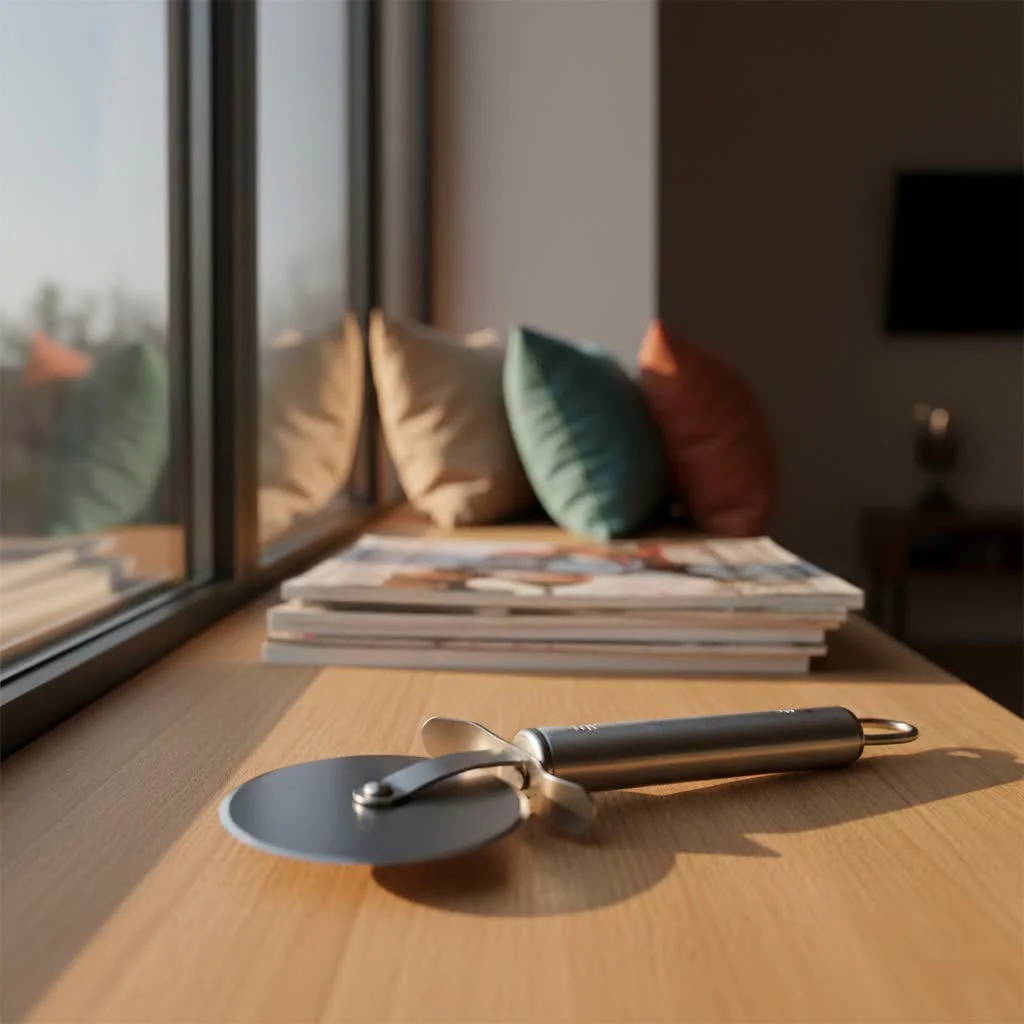
A sharp pizza cutter isn’t just a luxury; it’s a necessity for any pizza enthusiast. When your blade is keen, it glides through even the crispiest crusts and thickest toppings with minimal effort, creating clean, defined slices. This not only makes serving easier but also keeps your delicious toppings intact, preventing them from being dragged or torn across the pizza. Beyond aesthetics, a sharp cutter is safer. You exert less force, reducing the risk of slipping and potential injury. A dull blade forces you to push harder, increasing the chances of an accident. Maintaining a sharp pizza cutter enhances your entire pizza-eating experience, from the first cut to the last bite. For see our pizza cutter recommendations on this site.
Understanding Your Pizza Cutter Blade
Before you begin the sharpening process, it’s crucial to understand the anatomy of your pizza cutter. Most pizza cutters fall into two main categories: the classic wheel cutter and the robust rocker knife (or mezzaluna). Each type, and the material it’s made from, dictates the best sharpening approach.
Materials Matter:
- Stainless Steel: By far the most common material for pizza cutter blades, stainless steel is durable, resists rust, and, most importantly, is highly sharpenable. The majority of sharpening techniques discussed will be for these blades.
- High-Carbon Steel: While less common in modern pizza cutters, some high-end or vintage models might feature high-carbon steel, which takes an incredibly sharp edge but requires more diligent care to prevent rust.
- Ceramic: These blades are incredibly sharp when new and hold an edge for a very long time. However, ceramic is brittle and, as a general rule, not sharpenable by conventional home methods. Attempting to sharpen a ceramic blade with standard tools will likely damage it beyond repair. If you own a ceramic pizza cutter, proper care to prevent chipping is paramount, as sharpening isn’t an option.
- Plastic: Primarily found in disposable or child-safe cutters, plastic blades are not designed for sharpening and should be replaced when dull.
Types of Pizza Cutters and Their Edges:
- Wheel Pizza Cutters: These feature a circular blade that rotates as you push it across the pizza. Most wheel cutters have a double-bevel edge, meaning both sides of the blade taper to meet at the modern, similar to a standard kitchen knife. The challenge with these is maintaining a consistent angle while the wheel spins.
- Rocker Pizza Cutters (Mezzaluna): This half-moon-shaped blade is designed to be rocked back and forth to cut pizza, herbs, or other foods. Rocker cutters typically have a straightforward double-bevel edge, much like a chef’s knife. Their fixed, elongated blade makes them easier to sharpen using traditional knife sharpening methods.
Understanding your cutter’s material and type is the first step towards successful sharpening, ensuring you choose the right tools and techniques.
Essential Tools for Sharpening
|
Our Picks for the Best Pizza Cutter in 2026
As an Amazon Associate I earn from qualifying purchases.
|
||
| Num | Product | Action |
|---|---|---|
| 1 | KitchenAid Classic Pizza Wheel with Sharp Blade For Cutting Through Crusts, Pies and More, Built In Finger Guard for Safety and Comfort Grip to Protect Fingers, Dishwasher Safe, 9-Inch, Aqua Sky |

|
| 2 | KitchenAid Classic Pizza Wheel with Sharp Blade For Cutting Through Crusts, Pies and More, Built In Finger Guard for Safety and Comfort Grip to Protect Fingers, Dishwasher Safe, 9-Inch, Red |
|
| 3 | OXO Steel 4" Pizza Wheel |
|
| 4 | KitchenAid Classic Pizza Wheel with Sharp Blade For Cutting Through Crusts, Pies and More, Built In Finger Guard for Safety and Comfort Grip to Protect Fingers, Dishwasher Safe, 9-Inch, Black |
|
| 5 | GORILLA GRIP BPA-Free Large Pizza Cutter Wheel, 9 Inch, Sharp Stainless Steel Blade, Slip Resistant Handle with Thumb Guard Protection, Slice Thick or Thin Pizzas, Pie, Pastries in Seconds, Black |
|
| 6 | KitchenStar Pizza Cutter Wheel - 304 Stainless Steel Slicer Knife with Super Sharp Blade, Anti-Wobble Axle Mechanism, Ergonomic Non-Slip Handle & Protective Cover, Dishwasher Safe |
|
| 7 | OXO Good Grips Pizza Wheel and Cutter for Non-Stick Pans |
|
| 8 | OXO Good Grips 3.5" Pizza Wheel and Cutter |
|
| 9 | Deiss Lux Heavy Duty Pizza Cutter With Wheel Slicer- Stainless Steel Sharp Smooth Pizza Cutter Wheel With Easy Grip Non-Slip Handle, Dishwasher Safe (BLACK) |
|
| 10 | Kitchy Pizza Cutter Wheel with Protective Blade Cover, Ergonomic Pizza Slicer (Green) |
|
To achieve a razor-sharp edge on your pizza cutter, you’ll need a few key tools. The specific items will vary slightly depending on your chosen method and the type of cutter you have, but these are the most common and effective options:
- Whetstones (Sharpening Stones): These abrasive stones, often made of silicon carbide or aluminum oxide, come in various grits. You’ll typically want a coarse grit (around 400-600) for repairing nicks and setting a new edge, and a finer grit (1000-3000+) for refining and polishing. Whetstones usually require soaking in water before use.
- Diamond Sharpeners/Honing Rods: Diamond sharpeners, available as flat plates or rods, are excellent for harder steels and don’t require soaking. A ceramic honing rod can also be used for regular maintenance and light touch-ups on rocker blades.
- High-Grit Sandpaper: For a budget-friendly option, wet/dry sandpaper (e.g., 220 grit for initial sharpening, then moving to finer grits like 400 or 600) can be mounted on a flat surface to create a makeshift sharpening stone.
- Aluminum Foil: Surprisingly, aluminum foil can be used for very light touch-ups and deburring on wheel cutters, making it a handy trick for quick fixes.
- Protective Gloves: Safety is paramount when sharpening any blade. Always wear cut-resistant gloves to protect your hands from accidental slips.
- Water or Honing Oil: For whetstones, water (or specialized honing oil for oilstones) lubricates the stone, carries away metal particles, and prevents the stone from clogging.
- Clean Cloth: Essential for wiping down your blade and tools, especially before testing sharpness.
Gathering these tools beforehand will ensure you have everything you need for a smooth and safe sharpening process.
Sharpening a Wheel Pizza Cutter
Sharpening a wheel pizza cutter can seem challenging due to its rotating nature, but with the right technique, it’s entirely achievable.
Preparation is Key:
First, if your pizza cutter allows, disassemble it to remove the wheel from the handle. This provides better access to the blade and makes the process safer. Clean the blade thoroughly to remove any grease or food residue. Always wear protective gloves.
Method 1: Using a Whetstone or Flat Stone
This is the most effective method for restoring a truly dull wheel.
- Prepare the Stone: If using a water stone, soak it in water for 10-15 minutes until no more bubbles appear. Place the wet stone on a non-slip surface, like a damp towel, with the coarse grit side facing up.
- Find the Angle: Hold the pizza cutter wheel at roughly a 20-degree angle against the stone. This might be slightly steeper than a typical knife due to the wheel’s design. The key is to find the existing bevel angle and try to match it. You can mark the edge with a marker; as you sharpen, the marker should disappear evenly.
- Sharpening Motion: Place the edge of the wheel on the stone. With gentle, consistent pressure, roll the wheel away from you, allowing it to rotate slightly as you move it across the stone. Think of it as pushing a small car with a sharp wheel. The goal is to sharpen a small section of the edge, then slightly rotate the wheel and repeat the motion, working your way around the entire circumference.
- Both Sides: Once you’ve gone around one side of the wheel, flip it over and repeat the process on the other side. This creates a balanced, double-bevel edge.
- Refining the Edge: After several passes on the coarse grit (until you feel a slight “burr” or wire edge along the opposite side), switch to your finer grit stone. Repeat the same rolling and rotating motion to refine the edge and remove the burr.
- Deburring: To completely remove the burr, make very light passes on the fine stone, alternating sides. You can also lightly drag the blade through a piece of cork or wood.
Method 2: Using Sandpaper
This is a great alternative if you don’t have whetstones.
- Set Up: Secure a piece of coarse-grit wet/dry sandpaper (e.g., 220 grit) to a flat, stable surface using tape or a cutting board.
- Sharpen: Follow the same rolling and rotating motion as described for the whetstone, working around the entire circumference on both sides.
- Refine: Switch to finer grits of sandpaper (e.g., 400, then 600) to progressively refine the edge, just as you would with whetstones.
Method 3: The Aluminum Foil Hack (Quick Touch-Up)
This method won’t bring a truly dull blade back to life, but it’s fantastic for a quick refresh.
- Fold Foil: Take a sheet of aluminum foil and fold it several times until you have a thick pad.
- Cut Through: Simply roll your pizza cutter through the folded foil repeatedly. The abrasive action of the foil will lightly hone the edge, knocking off small imperfections and burrs.
Advanced: Belt Sander
For serious enthusiasts or commercial kitchens, a dedicated belt sander with fine-grit belts can quickly and effectively sharpen wheel cutters. This requires practice and a steady hand to maintain the correct angle and avoid overheating the blade.
Sharpening a Rocker Pizza Cutter (Mezzaluna)
Sharpening a rocker pizza cutter is more akin to sharpening a large kitchen knife, making it arguably simpler than a wheel cutter.
- Stable Surface: Place your whetstone or sharpening plate on a stable, non-slip surface.
- Find the Angle: Identify the existing bevel angle of your rocker blade. Most will be between 15-20 degrees per side. Maintain this consistent angle throughout the sharpening process.
- Long, Even Strokes: Start with a coarse grit stone. Hold the rocker knife firmly with both hands, placing the entire modern flat against the stone at your determined angle. With consistent pressure, draw the blade across the stone in a long, even stroke, covering the entire length of the blade. It’s often easier to pull the blade towards you, keeping the angle constant.
- Alternating Sides: After several passes on one side (until you feel a burr), flip the blade over and repeat the process on the other side. The goal is to create a symmetrical edge.
- Refine and Hone: Progress to finer grit whetstones to refine the edge and remove the burr. For ongoing maintenance, a ceramic or diamond honing rod can be used between full sharpenings to realign the edge. Hold the rod vertically and draw the blade down each side, alternating strokes, maintaining your sharpening angle.
What About Ceramic Pizza Cutters?
As an expert in pizza cutting tools, I often get asked about ceramic blades. Here’s the definitive answer: ceramic pizza cutter blades are generally not sharpenable by home users with standard tools.
Ceramic is an incredibly hard material, which is why it holds an edge for so long. However, this hardness also makes it brittle. Standard whetstones and steel sharpeners are simply not hard enough to abrade ceramic effectively, and attempting to do so will more likely chip or damage the blade. Specialized diamond sharpening equipment is required for ceramic blades, and this is typically found only in professional settings or with very specific, expensive sharpening systems.
If you own a ceramic pizza cutter and it becomes dull or chipped, the most practical solution is often to replace it. Focus on proper handling and storage to maximize its lifespan.
Tips for Maintaining Your Pizza Cutter’s Sharpness
Sharpening your pizza cutter is only half the battle; proper maintenance ensures it stays sharp for longer.
- Clean Immediately: Food residues, especially acidic tomato sauce, can corrode the blade over time. Wash your pizza cutter immediately after use with warm, soapy water.
- Dry Thoroughly: Moisture is the enemy of sharp blades, especially stainless steel. Always dry your pizza cutter thoroughly with a clean towel to prevent rust and water spots.
- Proper Storage: Don’t just toss your pizza cutter into a drawer with other utensils. Blades can get nicked and dulled by rubbing against other metal objects. Store it in a knife block, a dedicated blade guard, or on a magnetic strip.
- Use on Appropriate Surfaces: Always slice your pizza on a cutting board made of wood, bamboo, or plastic. Cutting directly on metal pizza pans, stone, or tile will rapidly dull your blade.
- Regular Honing: For both wheel and rocker cutters, regular honing (using a ceramic rod for rocker knives or the foil trick for wheels) between sharpenings can realign the edge and delay the need for a full sharpening. Think of honing as straightening the edge, while sharpening is removing material to create a new one.
> “A sharp pizza cutter isn’t just about efficiency; it’s a shows good kitchen hygiene and respect for your tools, ensuring every slice is a culinary delight.”
By following these maintenance tips, you’ll extend the life of your pizza cutter’s edge and reduce the frequency of sharpening.
Top Picks: Essential Sharpening Tools
While there are many sharpening tools available, here are a few types that I consistently recommend for keeping your pizza cutter in prime condition:
- Dual-Grit Whetstone (e.g., 400/1000 grit): This is a versatile workhorse, perfect for both setting a new edge and refining it. It’s an indispensable tool for any kitchen.
- Diamond Sharpening Card/Plate: These compact tools are excellent for both wheel and rocker cutters. Their diamond abrasives cut quickly and are ideal for harder steels or ceramic honing rods.
- Handheld Knife Sharpener (for rocker blades): While not for wheel cutters, a good quality handheld sharpener with preset angles can quickly put a decent edge on a rocker pizza knife with minimal effort. Look for models with ceramic or carbide sharpening elements.
Investing in quality sharpening tools will not only benefit your pizza cutter but also your entire collection of kitchen knives, making meal prep a much more enjoyable experience.
Conclusion
A dull pizza cutter can turn a joyous pizza night into a frustrating chore. But as we’ve explored, bringing that essential tool back to its prime sharpness is not only possible but also incredibly rewarding. Whether you’re gently refining a wheel cutter with a whetstone or giving your rocker knife the keen edge it deserves, the techniques are accessible to any home cook. By understanding your blade, using the right tools, and implementing consistent maintenance, you’ll ensure every slice is as perfect as the pizza itself. Don’t let a dull blade compromise your culinary creations any longer. Embrace the art of sharpening, and rediscover the joy of effortlessly slicing through your favorite pie.
What’s your go-to pizza topping that demands the cleanest cut?
Frequently Asked Questions
How often should I sharpen my pizza cutter?
The frequency depends on usage and material. For stainless steel, a full sharpening might be needed every few months for regular home use, or weekly in a commercial setting. Regular honing (weekly or even after every few uses) can extend the time between full sharpenings by realigning the blade’s edge.
Can I use a regular knife sharpener for a pizza cutter?
For a rocker pizza cutter (mezzaluna), yes, you can generally use a regular kitchen knife sharpener, especially a whetstone or pull-through sharpener designed for straight blades. However, for a wheel pizza cutter, a standard pull-through sharpener is usually ineffective or even damaging due to the wheel’s rotation. You’ll need specialized techniques like using a whetstone with a rolling motion or a dedicated pizza cutter sharpener.
What’s the ideal angle for sharpening a pizza cutter?
For most stainless steel pizza cutters, an angle between 15 and 20 degrees per side is generally recommended. This creates a durable yet sharp edge. For wheel cutters, maintaining this consistent angle while rolling the blade against the abrasive surface is key.
Is it worth sharpening an old, cheap pizza cutter?
It depends on the cutter’s material and overall construction. If it’s a cheap plastic or ceramic model, sharpening isn’t feasible. However, if it’s a stainless steel blade, even a budget-friendly one, sharpening can significantly improve its performance and extend its lifespan. It’s often more cost-effective and environmentally friendly than constantly buying new ones.
Get our weekly buyer guide
Practical specs, not advice. Unsubscribe anytime.

I was so tired of my old pizza cutter just dragging through the crust, making a mess of my homemade pizzas. Following the tips here, I used my knife sharpener on it, and wow, what a difference! It glides through now, even thick crusts with lots of toppings. Definitely saved me from buying a new one.
I tried sharpening my rocker-style cutter with a whetstone as suggested, but I found it a bit tricky to get the angle right consistently. It’s better than it was, but still not as effortless as I’d hoped. Maybe I just need more practice, or a different tool for that specific type of blade.
This was super helpful! My husband always complains about our pizza cutter, and I was about to toss it. I followed the instructions for using sandpaper on a flat surface, and it worked like a charm. No more torn toppings or struggling with a bubbly, cheesy pizza. Every slice is clean now!
Great guide! I always thought once a pizza cutter was dull, it was done for. I tried the ceramic rod method mentioned for my OXO wheel cutter, and it really improved the cut. It’s not quite factory-sharp, but it’s a huge improvement and makes slicing so much easier without tearing the cheese.